





 Friday, 10-07-26








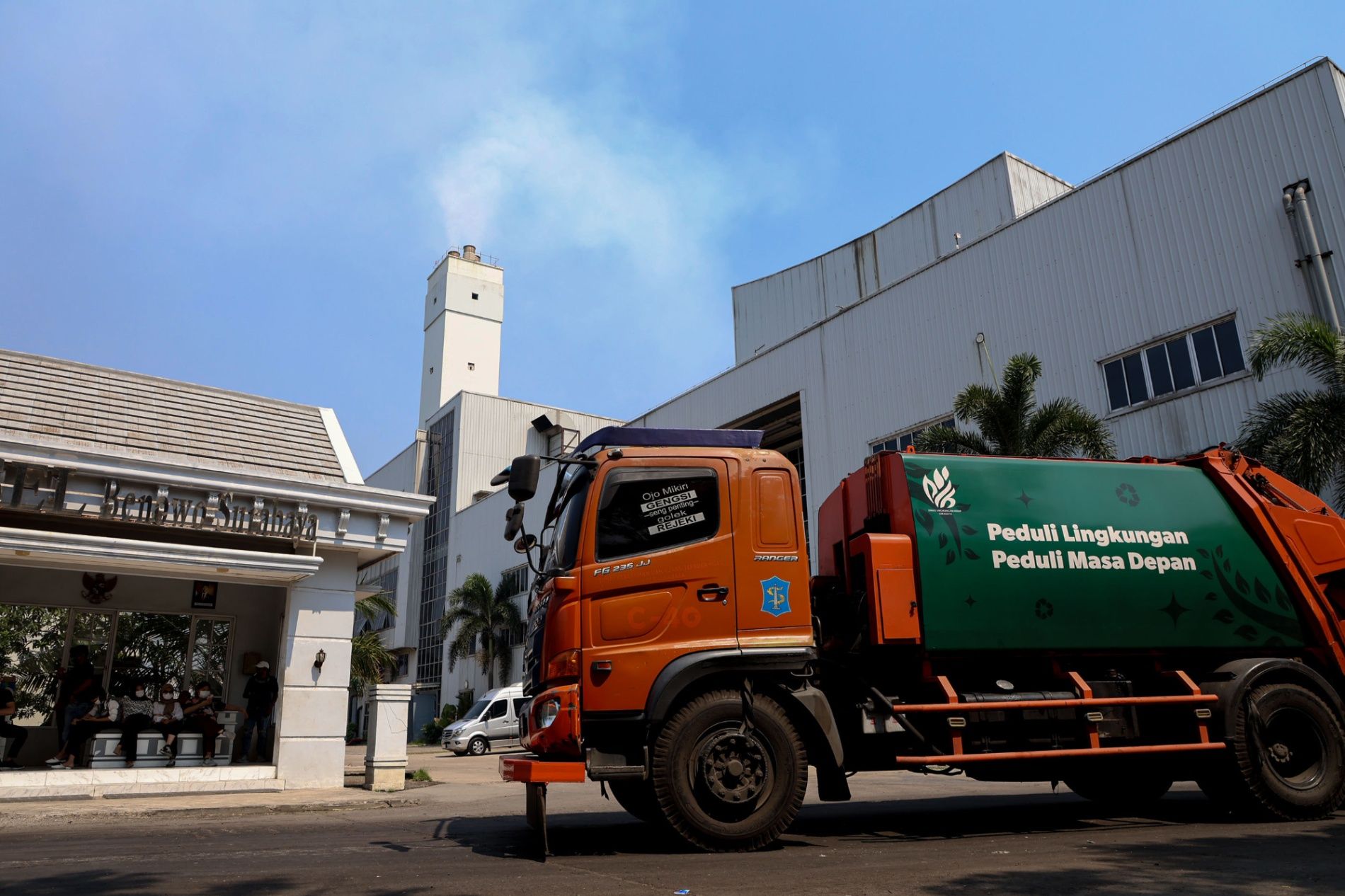
Indonesia is continuing to push forward with waste based power generation projects despite concerns over high electricity production costs. State owned electricity company PLN has reaffirmed its support for accelerating waste to energy infrastructure, viewing the sector as an important solution for urban waste management, environmental sustainability, and long term energy diversification.
The discussion surrounding Waste To Energy projects has become increasingly important as Indonesia faces mounting challenges related to urban waste accumulation, landfill overcapacity, and rising electricity demand. Large cities across the country continue struggling with waste management systems that are unable to keep pace with population growth and rapid urbanization.
Waste to energy infrastructure, commonly referred to as PSEL projects in Indonesia, is now being promoted as a strategic approach that can simultaneously reduce waste volumes and generate electricity. However, industry experts acknowledge that electricity produced from waste processing remains significantly more expensive compared to several other energy sources.
Despite the cost challenges, policymakers and energy stakeholders believe waste based energy projects deliver broader environmental and social benefits that justify continued investment support.
The growing focus on Waste To Energy reflects a wider global trend where countries are exploring alternative renewable and circular economy solutions to reduce landfill dependence while strengthening sustainable infrastructure systems.
Indonesia’s commitment to accelerating waste based energy projects signals how environmental priorities are increasingly shaping long term energy planning and urban infrastructure development.
Indonesia Faces Growing Urban Waste Challenges
Indonesia is one of the world’s largest producers of municipal solid waste. Rapid population growth, urban expansion, industrial activity, and rising consumption levels continue increasing pressure on waste management systems across major cities.
Landfill capacity has become a serious concern in several urban areas. Many existing waste disposal sites are operating beyond safe capacity levels, creating environmental and public health risks.
Poor waste management can contribute to groundwater contamination, methane emissions, air pollution, flooding, and marine plastic pollution. These challenges are becoming more severe as Indonesia’s urban population continues expanding.
The government therefore sees Waste To Energy infrastructure as part of a broader strategy to modernize urban waste management systems.
Unlike traditional landfill disposal methods, waste to energy facilities process municipal waste into electricity through technologies such as incineration, thermal conversion, and refuse derived fuel systems.
Supporters argue that these projects can reduce landfill dependence while simultaneously generating electricity for local grids.
Several Indonesian cities are currently exploring or developing PSEL projects as part of national waste reduction initiatives. The government has identified waste management as a strategic environmental priority due to increasing public pressure for cleaner urban infrastructure.
The importance of Waste To Energy is also connected to Indonesia’s climate commitments. Landfills produce methane, which is considered one of the most powerful greenhouse gases contributing to climate change.
By reducing landfill waste volumes, waste to energy projects could potentially support broader emissions reduction targets while improving urban environmental conditions.
However, implementing these projects at scale remains highly complex due to financing requirements, technology selection, regulatory coordination, and operational costs.
High Electricity Costs Remain A Major Concern
One of the biggest challenges facing Waste To Energy projects is economic competitiveness.
Electricity generated from waste processing facilities is often more expensive than power produced from coal, natural gas, or even certain renewable sources such as utility scale solar power.
This is partly because waste to energy infrastructure requires large upfront capital investments, advanced processing systems, emissions control technology, and long term operational management.
Industry experts note that waste composition variability also creates operational complexity. Municipal waste streams contain different materials with inconsistent calorific values, making energy conversion efficiency more difficult compared to standardized fuel sources.
As a result, Waste To Energy plants often require government support mechanisms, feed in tariffs, or financial incentives to remain economically viable.
PLN’s continued support for accelerating PSEL projects therefore reflects broader policy priorities beyond simple electricity pricing considerations.
Officials increasingly view waste based energy infrastructure as a dual purpose investment that addresses both environmental management and energy diversification goals.
The economic value of Waste To Energy projects may not be fully captured solely through electricity production metrics. These facilities can also reduce landfill costs, lower environmental cleanup expenses, improve public sanitation, and support emissions reduction efforts.
Several countries globally continue supporting waste to energy infrastructure despite higher generation costs because of these broader environmental and urban management benefits.
Japan, Singapore, and several European countries have long integrated waste based energy systems into urban sustainability strategies.
Indonesia is now attempting to build a similar ecosystem while adapting technology solutions to local conditions.
However, financing remains one of the largest barriers. Investors often require long term purchase agreements, stable regulations, and policy certainty before committing capital to waste based energy infrastructure.
PLN Continues Supporting Project Acceleration
PLN’s support for accelerating Waste To Energy projects highlights the company’s broader role in Indonesia’s energy transition and infrastructure modernization efforts.
As the country’s main electricity provider, PLN is under growing pressure to balance multiple priorities including energy affordability, sustainability targets, grid reliability, and rising industrial electricity demand.
The company increasingly recognizes that future energy systems may require more diversified generation sources beyond traditional fossil fuel infrastructure.
Waste based energy projects are particularly attractive because they can provide relatively stable electricity output compared to intermittent renewable sources such as solar and wind power.
Unlike solar facilities that depend on sunlight availability, Waste To Energy plants can operate continuously using municipal waste feedstock.
This makes waste based generation potentially valuable for supporting urban electricity systems while contributing to waste reduction efforts simultaneously.
PLN’s involvement also helps improve project credibility and financing attractiveness. Investors often view state utility participation as an important factor in reducing operational and regulatory risk.
The Indonesian government has repeatedly emphasized the importance of accelerating strategic infrastructure projects linked to environmental sustainability and circular economy development.
Waste management infrastructure is increasingly viewed not only as a sanitation issue, but also as an economic and energy opportunity.
However, industry analysts warn that successful implementation will require stronger coordination between local governments, waste operators, technology providers, regulators, and financing institutions.
Waste collection systems, waste segregation practices, transportation logistics, and public participation all influence the effectiveness of Waste To Energy infrastructure.
Without integrated waste management ecosystems, project performance may remain inconsistent.
Global Waste To Energy Industry Continues Expanding
Globally, the Waste To Energy sector continues expanding as countries search for more sustainable waste management solutions.
According to international energy and environmental organizations, urban waste generation is expected to increase substantially over the coming decades due to population growth and rising consumption patterns.
This creates growing pressure for governments to adopt more efficient waste processing technologies.
Several developed countries have already integrated waste to energy systems into national environmental strategies. Japan operates numerous advanced waste incineration plants, while Scandinavian countries use waste processing infrastructure to support district heating and electricity generation systems.
Singapore also relies heavily on waste incineration due to limited landfill space.
The expansion of Waste To Energy infrastructure is often linked to circular economy strategies aimed at maximizing resource efficiency and minimizing landfill dependence.
Modern waste processing technologies are becoming increasingly sophisticated, with improvements in emissions control systems, energy efficiency, and environmental monitoring capabilities.
However, critics continue raising concerns about air pollution risks, operational costs, and long term sustainability.
Environmental groups argue that waste reduction and recycling should remain higher priorities than incineration based systems. Some experts warn that excessive dependence on waste to energy infrastructure could discourage recycling efforts if facilities require constant waste volumes to remain economically viable.
As a result, many countries are attempting to balance waste reduction, recycling, composting, and waste based energy systems within broader integrated waste management frameworks.
Indonesia faces a similar challenge.
The country must strengthen waste segregation systems, recycling infrastructure, and public awareness programs while simultaneously expanding modern waste processing capabilities.
Indonesia’s Energy Transition Requires Multiple Solutions
Indonesia’s energy transition strategy increasingly involves a diverse mix of renewable and alternative energy technologies.
Solar power, geothermal energy, hydropower, battery storage, bioenergy, and Waste To Energy infrastructure are all expected to contribute to future electricity systems.
Each technology carries different advantages and limitations.
Waste to energy projects may not become Indonesia’s cheapest electricity source, but policymakers believe they can still deliver strategic environmental and urban management benefits.
The challenge moving forward will be ensuring projects remain financially sustainable while maintaining strong environmental standards.
Technology selection will also become increasingly important. Advanced emissions control systems and efficient processing technologies are necessary to minimize environmental risks associated with waste incineration.
Public acceptance will play a critical role as well. Communities often express concerns about air quality, odors, and environmental safety surrounding waste processing facilities.
Transparent governance, strict environmental monitoring, and strong regulatory oversight will therefore be essential for long term project success.
The future growth of Waste To Energy in Indonesia ultimately depends on whether stakeholders can balance economic feasibility, environmental protection, and infrastructure execution effectively.
Indonesia’s urban waste crisis continues growing alongside economic development and population expansion. Traditional landfill systems alone are unlikely to provide sustainable long term solutions.
This reality explains why PLN and government authorities continue supporting waste based energy acceleration despite higher electricity generation costs.
The country’s broader environmental transition may require not only the cheapest technologies, but also infrastructure solutions capable of addressing multiple urban and sustainability challenges simultaneously.
Read More