





 Friday, 10-07-26








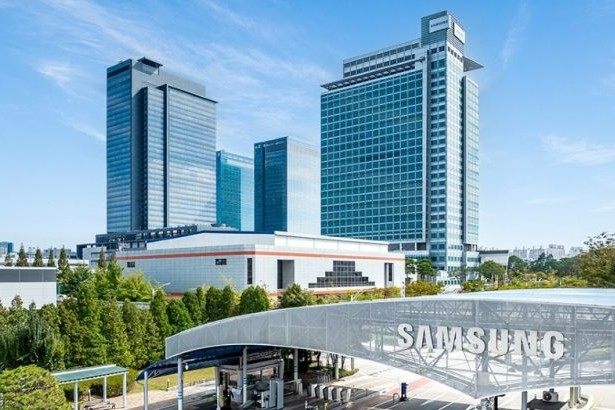
Samsung Electronics and Qualcomm Technologies announced the successful validation of 5G Power Class 1 (PC1) capability for Fixed Wireless Access (FWA) using Samsung’s virtualized RAN (vRAN) and Qualcomm’s Dragonwing FWA Gen 4 Platform powered by the Qualcomm X85 Modem-RF chipset (11/05).
The companies said the milestone demonstrates improved 5G FWA uplink performance and wider coverage to support growing demand for AI-driven and data-intensive services in urban and remote areas.
The validation was completed at Samsung’s research and development laboratory using the company’s software-based vRAN solution, 3.7GHz Massive MIMO radios, and a Qualcomm test device equipped with the X85 chipset.
Power Class 1 Designed to Improve Signal Strength and Upload Speeds
According to the companies, Power Class is a 3GPP standard that determines how strongly a device can transmit signals. A lower Power Class number represents higher transmission power, which can improve signal quality and expand network reach.
Samsung stated that higher transmission power is important for improving connectivity in hard-to-reach areas and supporting services that require large amounts of uploaded data, including physical AI, autonomous systems, and AR/VR technologies.
The company added that PC1 technology is expected to improve the Fixed Wireless Access experience by delivering fiber-like uplink speeds while reducing network bottlenecks.
Tests Show Higher Uplink Throughput and Expanded Coverage
Samsung said the laboratory testing showed PC1 technology achieved up to ten times higher uplink throughput at the cell edge compared with the PC1.5 standard.
The companies stated that the improvement can support smoother video calls and faster file uploads in areas with weaker signals, including remote regions and isolated building locations.
In addition, Samsung and Qualcomm said PC1 technology expanded coverage by up to 40% compared with PC1.5. The wider coverage allows devices to maintain connectivity farther from a base station while preserving stronger signal quality.
Samsung and Qualcomm Highlight Demand for AI-Ready Networks
Eun Yong Kim, Vice President and Head of Air Technology, Networks Business at Samsung Electronics, said advanced wireless infrastructure is becoming increasingly important as networks support more AI-based services.
“This validation highlights Samsung’s readiness to bring advanced technologies to market with partners like Qualcomm Technologies, empowering operators to deliver faster, more efficient networks that are ready to handle everything from seamless industrial data transmission to increasingly data-heavy user experiences,” Kim said.
Gautam Sheoran, Senior Vice President and General Manager, Connectivity, Broadband and Networking at Qualcomm Technologies, said the technology improves both network performance and coverage.
“Our collaboration with Samsung demonstrates how ecosystem innovation is driving smarter, more capable networks — bringing stronger, more reliable connectivity to every day users,” Sheoran said.
Commercial Availability Expected in 2027
Following the laboratory validation, the companies recently conducted field tests on the network of a Tier 1 operator in the United States.
Samsung and Qualcomm said the feature is expected to become commercially available in 2027.
Samsung Networks said it continues developing 5G network technologies, including chipsets, radios, cores, vRAN, Open RAN, AI RAN, cloud-native core solutions, private networks, and AI-powered automation tools.
PHOTO: SAMSUNG
This article was created with AI assistance.
We make every effort to ensure the accuracy of our content, some information may be incorrect or outdated. Please let us know of any corrections at [email protected].
Read More