





 Saturday, 20-06-26








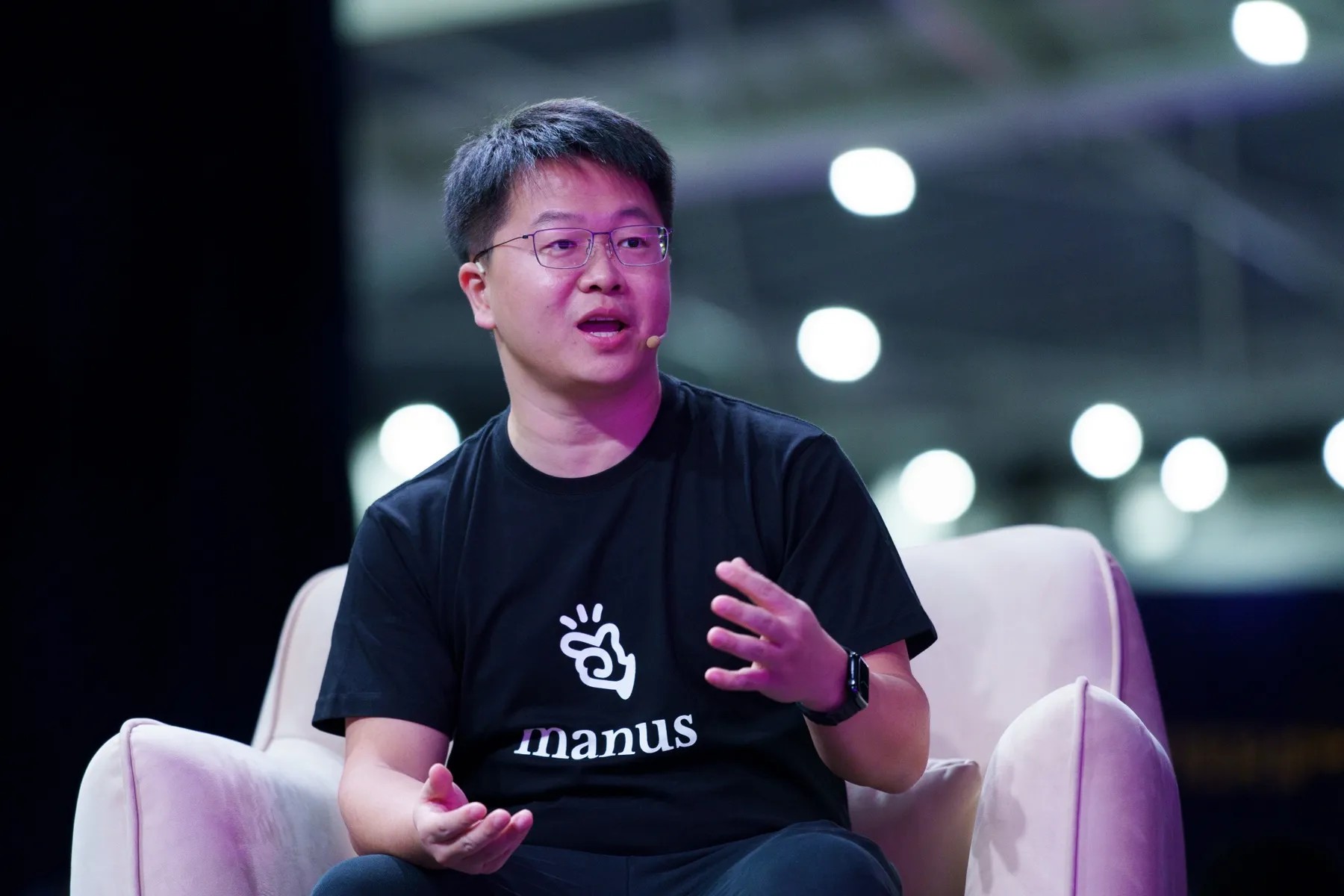
China has ordered the reversal of Meta’s US$2 billion acquisition of Manus, raising concerns among artificial intelligence founders worldwide, particularly those with Chinese origins operating overseas (02/05).
The decision follows earlier investigations into whether Chinese AI intellectual property was being transferred to a US company, signaling stricter regulatory enforcement.
Amit Verma of Neuron7.ai said, “The announcement was the message. Everything after that was just enforcement.”
Founders Adjust Strategies Amid Rising Scrutiny
The development has prompted founders to act cautiously, with some delaying funding announcements to avoid attention from Chinese authorities.
One Singapore-based startup founder requested their company be identified as “Singapore-based” to support growth, emphasizing its global focus.
These cases show how founders are trying to avoid being perceived as similar to Manus, even when their operations differ.
Cross-Border Operations Face Increasing Challenges
Industry leaders say the case highlights growing complexity for AI companies operating across borders.
Jeremy Ang of Axium Industries said relocating headquarters is no longer enough to bypass national security concerns.
Manus demonstrated that even relocating and cutting ties with China-based teams may not prevent intervention if the product was developed in China using local resources.
Investors Tighten Due Diligence on AI Firms
Experts note that Manus stands out due to its high visibility and alleged irregularities in transferring intellectual property without proper approvals.
Denis Kalinin of DeepTech Asia said other China-related AI and robotics firms have completed mergers, acquisitions, or public listings without similar issues.
However, investors are now placing greater emphasis on corporate structures, intellectual property ownership, and where that IP is created.
“Clear evidence that core IP is developed and held outside China will become increasingly important,” Kalinin said
AI Firms Adapt to New Global Regulatory Environment
AI talent and intellectual property are increasingly viewed as national assets, requiring companies to prioritize compliance and export control strategies from the beginning.
Tobias Leong of Axium Industries said, “This isn’t just about a single deal. It’s about the new rules of engagement for the global AI ecosystem.”
Companies are responding by separating China and global operations and ensuring that data does not move between systems.
Verma added, “This isn’t a normal business risk. It’s a sovereign risk. And that’s a very different game.”
PHOTO: BLOOMBERG
This article was created with AI assistance.
We make every effort to ensure the accuracy of our content, some information may be incorrect or outdated. Please let us know of any corrections at [email protected].
Read More