





 Saturday, 20-06-26








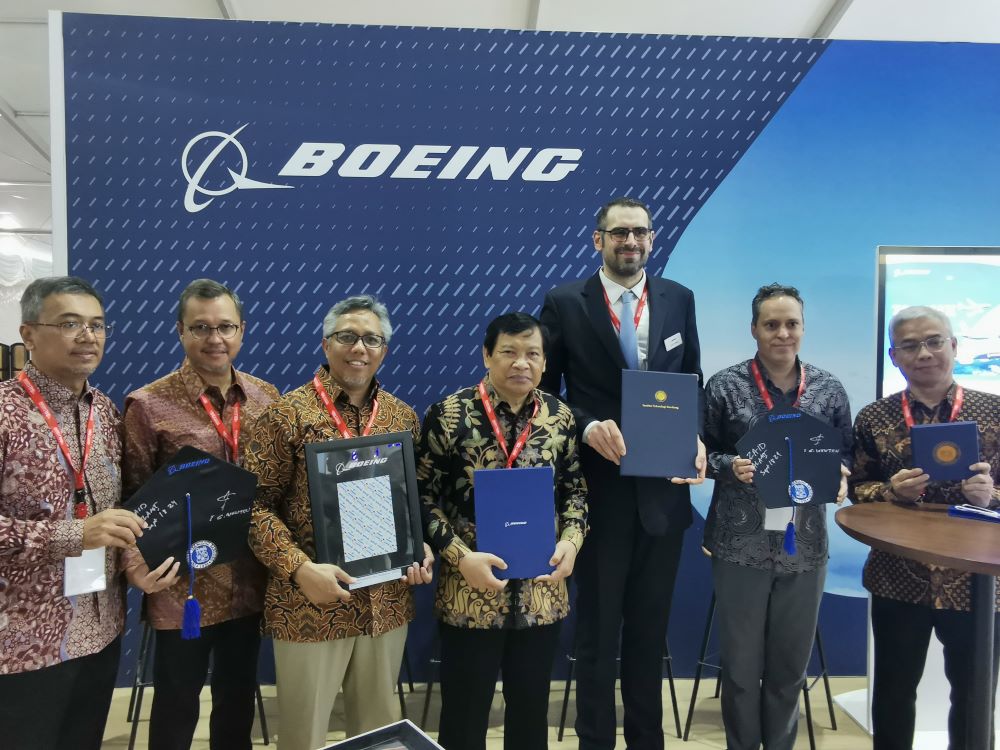
Indonesia is taking a significant step forward in strengthening its aviation and aerospace capabilities through a strategic partnership between Institut Teknologi Bandung and Boeing. This collaboration marks an important milestone in the development of the Indonesia aerospace ecosystem, as the country seeks to position itself as a competitive player in the global aviation industry.
The partnership reflects a growing recognition that building a strong aerospace ecosystem requires more than just manufacturing capabilities. It involves the integration of education, research, technology, and industry collaboration. By bringing together academic expertise and global industry experience, the Indonesia aerospace ecosystem is being shaped to meet future challenges and opportunities.
Indonesia Aerospace Ecosystem Strengthened Through Education And Research
One of the key pillars of the Indonesia aerospace ecosystem is the development of human capital. The collaboration between Institut Teknologi Bandung and Boeing places a strong emphasis on education and research, recognizing that a skilled workforce is essential for long term industry growth.
Through this partnership, students and researchers gain access to advanced knowledge, training programs, and real world industry insights. This exposure is critical in preparing the next generation of aerospace engineers, researchers, and professionals who will drive innovation in Indonesia.
The Indonesia aerospace ecosystem benefits from this approach by creating a pipeline of talent that is aligned with global standards. Boeing’s involvement ensures that the curriculum and research initiatives are relevant to current industry needs, while ITB provides the academic foundation and local expertise.
In addition to formal education, the collaboration also encourages joint research projects. These initiatives focus on key areas such as aircraft design, materials science, and digital technologies. By working together, ITB and Boeing can develop solutions that address both local and global challenges in the aerospace sector.
This focus on education and research is a critical component of the Indonesia aerospace ecosystem, as it lays the groundwork for sustainable growth and innovation.
Industry Collaboration Drives Innovation And Competitiveness
Beyond education, the Indonesia aerospace ecosystem is being strengthened through closer collaboration between academia and industry. The partnership between ITB and Boeing serves as a model for how such collaboration can drive innovation and enhance competitiveness.
Boeing brings extensive experience in aerospace manufacturing, engineering, and global supply chain management. By sharing this expertise, the company helps Indonesian stakeholders understand best practices and industry standards.
At the same time, ITB contributes local knowledge and research capabilities, creating a balanced and mutually beneficial partnership. This synergy is essential for developing solutions that are both innovative and practical.
The Indonesia aerospace ecosystem stands to gain significantly from this collaboration. By integrating global expertise with local capabilities, Indonesia can accelerate the development of its aerospace industry and improve its position in the global market.
The partnership also opens up opportunities for technology transfer. This is particularly important for Indonesia, as it seeks to move up the value chain and develop more advanced aerospace capabilities. Access to cutting edge technology can help local companies enhance their competitiveness and expand their market reach.
Furthermore, the collaboration can stimulate the growth of supporting industries, such as component manufacturing, maintenance services, and logistics. These sectors play a crucial role in the overall Indonesia aerospace ecosystem, contributing to job creation and economic development.
Strategic Importance For Indonesia’s Economic Growth
The development of the Indonesia aerospace ecosystem is not just about advancing the aviation industry. It also has broader implications for the country’s economic growth and industrial transformation.
A strong aerospace sector can serve as a catalyst for innovation across multiple industries. Technologies developed for aerospace applications often have spillover effects in areas such as defense, telecommunications, and advanced manufacturing.
The collaboration between ITB and Boeing aligns with Indonesia’s broader strategy to enhance its technological capabilities and reduce reliance on imports. By building a robust Indonesia aerospace ecosystem, the country can increase its self sufficiency and strengthen its economic resilience.
In addition, the partnership supports Indonesia’s ambition to become a regional hub for aerospace activities. With its strategic location and growing economy, Indonesia has the potential to attract investment and become a key player in Southeast Asia’s aviation industry.
The Indonesia aerospace ecosystem also contributes to workforce development. By creating high skill jobs and promoting innovation, the sector can help drive inclusive economic growth and improve living standards.
Challenges And Opportunities Ahead
While the collaboration between ITB and Boeing represents a positive step forward, the development of the Indonesia aerospace ecosystem is not without challenges. Building a competitive aerospace industry requires significant investment, long term commitment, and effective coordination among stakeholders.
One of the main challenges is ensuring that the benefits of the partnership are widely distributed. This includes providing opportunities for small and medium enterprises to participate in the aerospace supply chain.
Another challenge is maintaining the momentum of innovation. As the industry evolves, continuous investment in research and development will be necessary to keep pace with technological advancements.
Despite these challenges, the opportunities are substantial. The global demand for air travel is expected to continue growing, creating a need for new aircraft, maintenance services, and related technologies. This provides a strong foundation for the expansion of the Indonesia aerospace ecosystem.
The partnership with Boeing also enhances Indonesia’s credibility in the global market. By working with a leading aerospace company, Indonesia can demonstrate its commitment to quality and innovation.
Future Outlook For Indonesia Aerospace Ecosystem
Looking ahead, the Indonesia aerospace ecosystem is poised for significant growth. The collaboration between ITB and Boeing is likely to serve as a catalyst for further partnerships and investments in the sector.
As more stakeholders become involved, the ecosystem will become more dynamic and interconnected. This will create new opportunities for innovation, collaboration, and economic development.
The success of the Indonesia aerospace ecosystem will depend on the ability of all stakeholders to work together effectively. This includes government agencies, academic institutions, industry players, and international partners.
By fostering a collaborative environment and investing in key areas such as education, research, and technology, Indonesia can build a strong and sustainable aerospace industry.
Conclusion
The partnership between Institut Teknologi Bandung and Boeing represents a significant milestone in the development of the Indonesia aerospace ecosystem. By combining academic excellence with industry expertise, the collaboration is helping to create a foundation for long term growth and innovation.
As Indonesia continues to invest in its aerospace sector, the benefits of this partnership are likely to become increasingly evident. From workforce development to technological advancement, the Indonesia aerospace ecosystem has the potential to transform the country’s economic landscape.
This initiative is not just about building an industry. It is about creating a future where Indonesia plays a leading role in the global aerospace sector, driven by innovation, collaboration, and a commitment to excellence.
Read More