





 Friday, 19-06-26








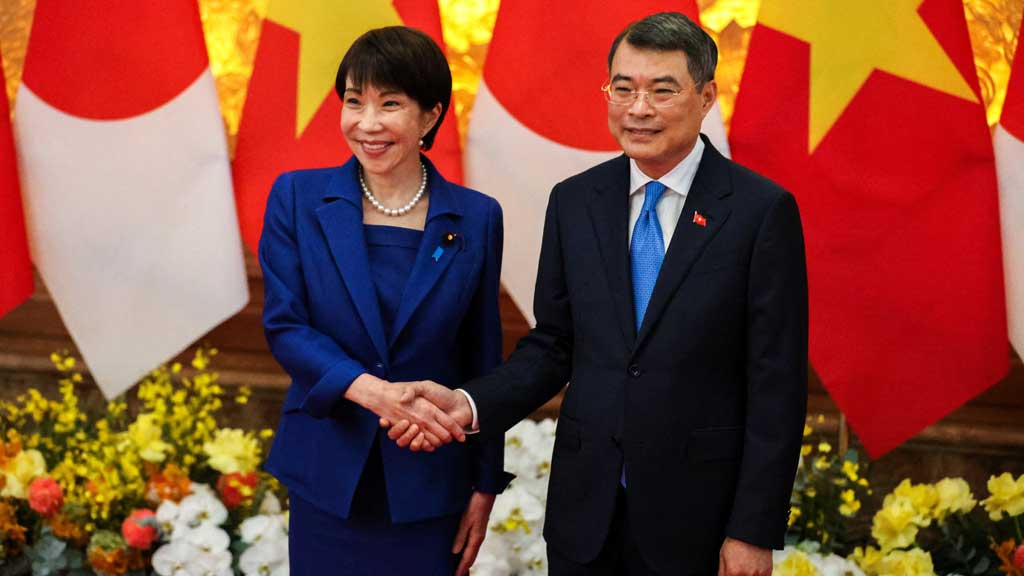
Japan and Vietnam are strengthening their strategic ties through deeper collaboration in energy and critical minerals, signaling a significant shift in Asia’s resource and energy landscape. As global demand for clean energy technologies accelerates, both countries are positioning themselves to secure supply chains, reduce dependency risks, and enhance long term economic resilience.
The growing importance of Japan Vietnam energy cooperation reflects broader geopolitical and economic trends. With the global push toward decarbonization, critical minerals such as rare earth elements, lithium, and nickel have become essential components in renewable energy systems, electric vehicles, and advanced manufacturing. This partnership is not just about bilateral trade, but about building a future ready ecosystem that supports the global energy transition.
Japan Vietnam Energy Cooperation Targets Energy Security And Transition
At the core of Japan Vietnam energy cooperation is a shared objective to strengthen energy security while advancing the transition toward cleaner energy systems. Japan, as a resource limited country, has long relied on international partnerships to secure stable energy supplies. Vietnam, on the other hand, is emerging as a key player in Southeast Asia with growing potential in both energy production and mineral resources.
The collaboration includes efforts to develop renewable energy infrastructure, improve energy efficiency, and diversify energy sources. Japan brings advanced technology, financing capabilities, and decades of expertise in energy management. Vietnam contributes strategic geographical positioning, resource availability, and a rapidly growing industrial base.
This alignment creates a mutually beneficial framework. For Japan, Vietnam offers an opportunity to reduce reliance on traditional energy suppliers and mitigate geopolitical risks. For Vietnam, Japanese investment and technology support its ambition to modernize its energy sector and meet rising domestic demand.
Japan Vietnam energy cooperation also plays a critical role in supporting Vietnam’s commitment to achieving net zero emissions. By leveraging Japan’s technological capabilities, Vietnam can accelerate the deployment of renewable energy projects such as solar, wind, and potentially hydrogen based systems.
Critical Minerals Become Central To Bilateral Strategy
One of the most important dimensions of Japan Vietnam energy cooperation is the focus on critical minerals. These materials are essential for producing batteries, semiconductors, and renewable energy equipment. As global competition for these resources intensifies, securing stable supply chains has become a top priority for many countries.
Vietnam is believed to have significant reserves of rare earth elements, making it a strategic partner for Japan. Rare earths are crucial for manufacturing high tech products, including electric vehicles and wind turbines. By collaborating with Vietnam, Japan can diversify its supply sources and reduce dependence on dominant global suppliers.
The partnership is expected to include exploration, extraction, processing, and refining of critical minerals. Japan’s expertise in advanced processing technologies can help Vietnam move up the value chain, transforming raw materials into higher value products. This not only boosts Vietnam’s industrial capabilities but also enhances the overall efficiency of the supply chain.
Japan Vietnam energy cooperation in critical minerals also aligns with global efforts to build more resilient and transparent supply chains. By establishing reliable partnerships, both countries can better navigate market volatility and ensure consistent access to essential materials.
Furthermore, this collaboration could attract additional investment from private sector players, creating new opportunities for economic growth and job creation in Vietnam. It also positions both countries as key contributors to the global clean energy ecosystem.
Strategic Implications For Asia And Global Markets
The expansion of Japan Vietnam energy cooperation has broader implications beyond bilateral relations. It reflects a growing trend in Asia where countries are forming strategic alliances to address shared challenges in energy security and resource management.
For the region, this partnership could serve as a model for other countries looking to strengthen their position in the global energy transition. By combining resources, expertise, and strategic vision, nations can create more sustainable and resilient energy systems.
From a global perspective, Japan Vietnam energy cooperation contributes to the diversification of supply chains. This is particularly important in the context of increasing geopolitical tensions and trade disruptions. By reducing reliance on a limited number of suppliers, the global market becomes more stable and less vulnerable to shocks.
The collaboration also highlights the importance of innovation in the energy sector. As countries compete to develop new technologies and improve efficiency, partnerships like this can accelerate progress and drive industry wide advancements.
In addition, the focus on critical minerals underscores the interconnected nature of the modern economy. Energy, technology, and manufacturing are deeply intertwined, and securing the necessary resources is essential for maintaining competitiveness.
Investment Opportunities And Economic Impact
The strengthening of Japan Vietnam energy cooperation is expected to unlock significant investment opportunities. Infrastructure development, mineral processing facilities, and renewable energy projects are likely to attract funding from both public and private sectors.
For investors, this partnership represents a promising avenue to participate in high growth industries. The demand for clean energy technologies is expected to continue rising, creating sustained opportunities for businesses involved in the supply chain.
Vietnam stands to benefit from increased foreign direct investment, technology transfer, and job creation. By developing its capabilities in critical minerals and energy infrastructure, the country can enhance its economic competitiveness and move toward higher value industries.
Japan, meanwhile, can secure reliable access to essential resources while expanding its influence in Southeast Asia. This aligns with its broader strategy to strengthen economic partnerships and support regional stability.
Japan Vietnam energy cooperation also has the potential to stimulate innovation. Collaborative research and development initiatives can lead to new technologies and solutions that address global energy challenges.
A Strategic Partnership For The Energy Future
Japan Vietnam energy cooperation represents a forward looking approach to addressing some of the most pressing challenges in the global economy. By focusing on energy security, critical minerals, and sustainable development, both countries are positioning themselves at the forefront of the energy transition.
This partnership is not just about immediate economic benefits. It is about building a resilient and sustainable future where energy systems are efficient, supply chains are secure, and technological innovation drives progress.
As the world continues to navigate the complexities of the energy transition, collaborations like Japan Vietnam energy cooperation will play an increasingly important role. They provide a blueprint for how countries can work together to achieve shared goals while maintaining economic growth and stability.
The success of this partnership will likely influence future alliances and shape the direction of the global energy landscape. For businesses, policymakers, and investors, it is a development worth watching closely as it unfolds.
Read More