





 Friday, 19-06-26








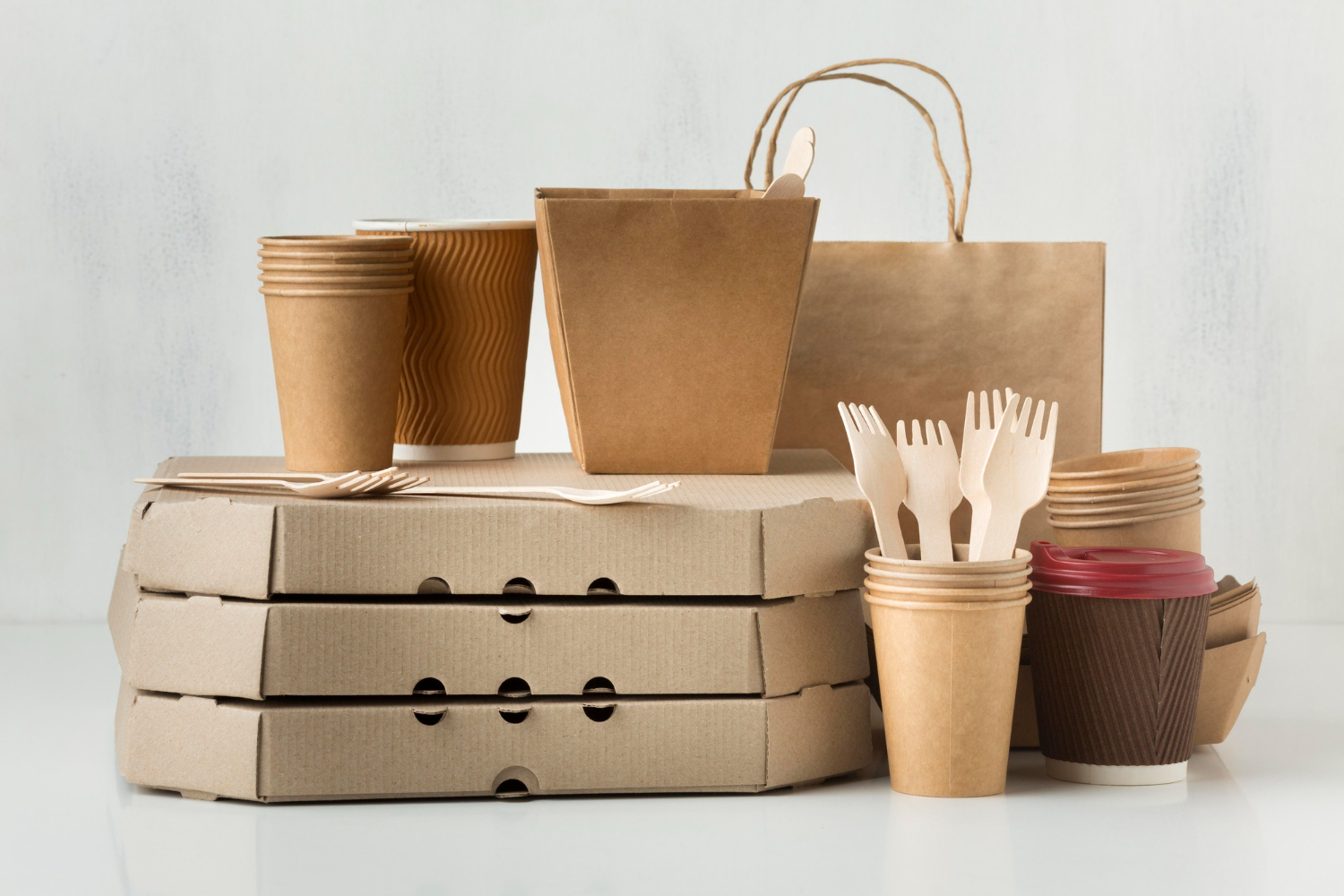
Indonesia’s Ministry of Industry is promoting aseptic paperboard packaging as an alternative solution for the food and beverage industry to improve efficiency and product quality (24/04).
The initiative aims to reduce reliance on preservatives and cold chain distribution while supporting the competitiveness of national industries.
Government Encourages Shift from Plastic to Paper-Based Packaging
Minister of Industry Agus Gumiwang Kartasasmita stated that the government is encouraging the use of non-plastic packaging, especially paperboard materials.
He noted that paper-based packaging already represents around 28% of total packaging used in the food and beverage sector.
“Paper packaging is now widely used for products such as milk and beverages. We are committed to accelerating the development of alternative packaging raw materials through business matching schemes between producers and users,” he said in Jakarta.
Industry Collaboration to Strengthen Supply and Innovation
The Ministry demonstrated its support through workshops and industry visits held at PT Lami Packaging Indonesia, involving food and beverage businesses under the Indonesian Food and Beverage Producers Association (GAPMMI).
GAPMMI Chairman Adhi S. Lukman said the initiative helps address industry challenges, particularly in procurement and manufacturing.
“In anticipating various industry challenges, there are two important aspects: procurement and manufacturing. Manufacturing must improve efficiency to remain competitive, while procurement must expand sourcing. This visit is part of our effort to find alternative packaging sources,” he said.
Efficiency Gains from Reduced Cold Chain Dependence
The Ministry stated that aseptic paperboard packaging supports environmentally friendly industrial practices and aligns with government policy.
Merrijantij Punguan Pintaria, Director of Beverage, Tobacco, and Refreshment Industries, explained that although paper-based aseptic packaging is not directly comparable in price to plastic, overall costs may be similar.
“It should be considered that the price of paper-based aseptic packaging is not directly comparable to plastic packaging, but when converted overall, the result may be similar because aseptic paper packaging does not require a cold chain or refrigeration for storage, and the paper raw material is relatively stable,” she said.
National Demand and Domestic Production Capacity
National demand for aseptic packaging is estimated at 8.3 billion units annually, with 4.8 billion units coming from milk and dairy products.
The remaining demand comes from tea, coffee, and plant-based beverages such as coconut milk, oat milk, and mung bean products.
As the first aseptic packaging producer in Indonesia, LamiPak has a production capacity of up to 21 billion packages per year, nearly three times the national demand.
This capacity is expected to support domestic supply stability and reduce dependence on imports.
PHOTO: FREEPIK
This article was created with AI assistance.
We make every effort to ensure the accuracy of our content, some information may be incorrect or outdated. Please let us know of any corrections at [email protected].
Read More