





 Thursday, 18-06-26








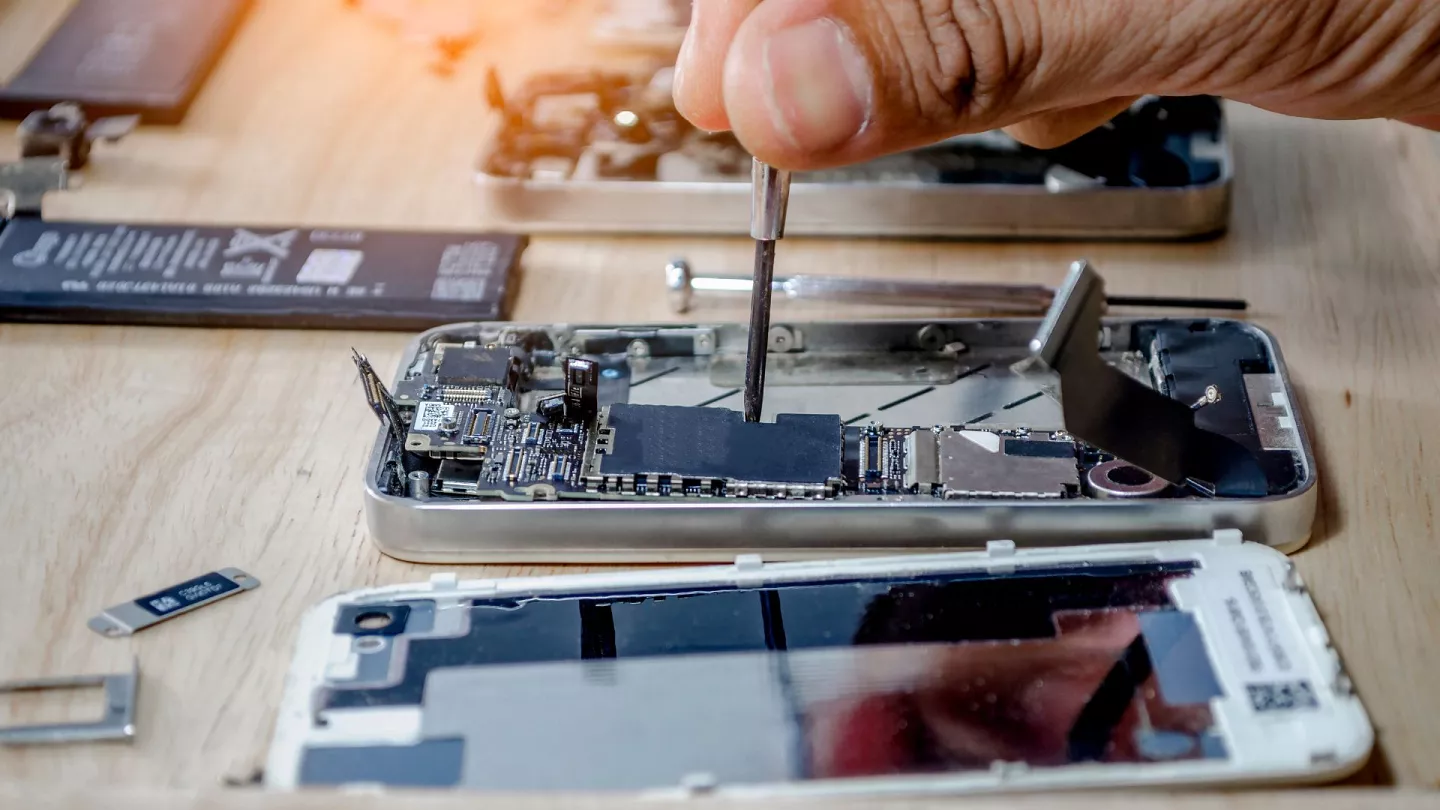
The global smartphone industry is preparing for a significant regulatory shift as the European Union moves forward with new requirements that will mandate replaceable smartphone batteries in mobile devices. Starting in the near future, smartphone manufacturers selling devices in the EU must ensure that batteries can be easily removed and replaced by users, marking a departure from the sealed battery designs that have dominated the market for over a decade.
This new regulation is part of a broader sustainability initiative aimed at reducing electronic waste, extending device lifecycles, and giving consumers greater control over their products. The replaceable smartphone batteries requirement is expected to have far-reaching implications not only for European markets but also for the global smartphone ecosystem.
Why Replaceable Smartphone Batteries Are Returning
The push for replaceable smartphone batteries reflects growing concerns about environmental sustainability and consumer rights. Over the past decade, most smartphone manufacturers have adopted sealed battery designs, prioritizing sleek aesthetics, water resistance, and compact form factors. However, these designs often make it difficult or expensive to replace batteries, leading consumers to upgrade their devices more frequently.
The European Union’s decision to enforce replaceable smartphone batteries is rooted in its commitment to a circular economy. By making batteries easier to replace, the regulation aims to extend the lifespan of smartphones, reducing the volume of electronic waste generated each year.
From a policy perspective, replaceable smartphone batteries align with the EU’s broader right-to-repair movement. This initiative seeks to empower consumers by ensuring that products can be easily repaired and maintained. In the case of smartphones, battery replacement is one of the most common maintenance needs, making it a logical focus for regulation.
The return of replaceable smartphone batteries also reflects changing consumer expectations. As awareness of environmental issues grows, many users are seeking more sustainable options. The ability to replace a battery instead of replacing an entire device is increasingly seen as a valuable feature.
How Manufacturers Are Responding to Replaceable Smartphone Batteries Rule
The introduction of replaceable smartphone batteries presents both challenges and opportunities for manufacturers. Companies that have built their designs around sealed batteries must now rethink their approach to product engineering.
One of the main challenges is balancing design and functionality. Sealed batteries have enabled manufacturers to create thinner, lighter devices with enhanced durability. Reintroducing replaceable smartphone batteries may require compromises in these areas, potentially affecting product aesthetics and performance.
However, innovation is likely to play a key role in addressing these challenges. Manufacturers are exploring new design solutions that allow for replaceable smartphone batteries without sacrificing key features such as water resistance and structural integrity. Modular designs and advanced materials could help bridge this gap.
There may also be exceptions to the rule. Some reports suggest that certain types of devices or specific design approaches could qualify for exemptions under the regulation. For example, smartphones that meet strict durability standards or incorporate advanced sealing technologies might not be required to have easily removable batteries.
Despite these potential exceptions, the overall direction is clear. Replaceable smartphone batteries are set to become a standard requirement in the EU, forcing manufacturers to adapt their strategies.
Impact on Global Smartphone Industry and Supply Chain
The implications of replaceable smartphone batteries extend beyond Europe. Given the size and influence of the EU market, many manufacturers are likely to adopt similar designs globally to streamline production and reduce complexity.
This could lead to a broader shift in the smartphone industry, with replaceable smartphone batteries becoming more common worldwide. For consumers, this means greater flexibility and longer device lifespans. For manufacturers, it introduces new considerations in terms of supply chain management, product design, and cost structures.
The supply chain for smartphone components may also be affected. Increased demand for replaceable batteries could create new opportunities for battery manufacturers and third-party suppliers. At the same time, companies may need to invest in new manufacturing processes to accommodate the design changes required by the regulation.
Another important factor is pricing. While replaceable smartphone batteries could reduce long-term costs for consumers, they may increase production costs for manufacturers. This could lead to higher initial prices for devices, although the total cost of ownership may decrease over time due to extended lifespans.
The regulation also has implications for after-sales services. With replaceable smartphone batteries, consumers may rely less on official service centers, opting instead for self-repair or third-party solutions. This could disrupt existing business models and create new opportunities in the repair ecosystem.
Sustainability and Consumer Benefits of Replaceable Smartphone Batteries
One of the most significant benefits of replaceable smartphone batteries is their potential to reduce environmental impact. Electronic waste is a growing global concern, and smartphones are a major contributor due to their relatively short lifecycles.
By enabling users to replace batteries easily, the regulation encourages longer device usage, reducing the need for frequent upgrades. This not only decreases waste but also conserves resources used in manufacturing new devices.
Replaceable smartphone batteries also provide financial benefits for consumers. Instead of purchasing a new phone when battery performance declines, users can simply replace the battery at a lower cost. This makes smartphones more affordable in the long run.
In addition, the regulation enhances consumer autonomy. Users gain greater control over their devices, including the ability to perform basic maintenance without relying on manufacturers. This aligns with broader trends toward transparency and empowerment in technology.
The shift toward replaceable smartphone batteries may also drive innovation in battery technology. As manufacturers adapt to the new requirements, they may develop more durable, efficient, and sustainable battery solutions.
Challenges and Future Outlook
While the benefits of replaceable smartphone batteries are clear, the transition is not without challenges. Manufacturers must navigate technical, financial, and regulatory complexities as they adapt to the new requirements.
One potential challenge is ensuring that replaceable batteries meet safety standards. Improper handling or low-quality replacement parts could pose risks to users. Regulators and manufacturers will need to establish clear guidelines and quality controls to address these concerns.
Another issue is consumer behavior. While replaceable smartphone batteries offer convenience, not all users may be willing or able to replace batteries themselves. Education and support will be important to ensure that consumers can take full advantage of the new features.
Looking ahead, replaceable smartphone batteries could become a defining feature of the next generation of smartphones. As the industry adapts, we may see new design paradigms that prioritize sustainability and repairability alongside performance and aesthetics.
The EU’s initiative could also influence regulations in other regions, creating a ripple effect across the global market. Governments and policymakers may look to similar measures to address environmental challenges and promote consumer rights.
The introduction of replaceable smartphone batteries marks a significant turning point for the smartphone industry. Driven by sustainability goals and consumer empowerment, the EU’s regulation is set to reshape how smartphones are designed, manufactured, and used.
While challenges remain, the potential benefits are substantial. From reducing electronic waste to lowering costs for consumers, replaceable smartphone batteries offer a more sustainable and user-friendly approach to technology.
As manufacturers adapt to the new requirements, the industry is likely to undergo a period of transformation. For consumers, this means more choices and greater control. For the environment, it represents a خطوة toward a more sustainable future.
Read More