





 Saturday, 19-09-26








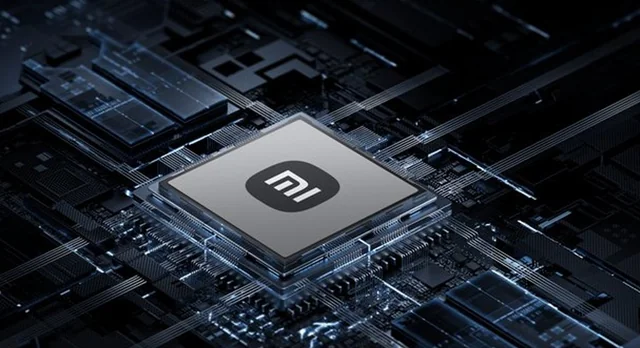
The global smartphone industry is navigating one of its most complex supply chain disruptions in recent years. At the center of this challenge is the smartphone chip crisis, a persistent shortage of semiconductor components that has forced manufacturers to rethink their production strategies, pricing models, and market positioning. Among the companies adapting most aggressively are Honor and Xiaomi, both of which are pivoting toward value-driven offerings to maintain competitiveness.
As the smartphone chip crisis continues to constrain supply and increase production costs, these brands are focusing on delivering high specifications at competitive prices. This strategy is not only about survival but also about capturing market share in a highly price-sensitive environment, particularly in emerging markets such as Southeast Asia.
Understanding the Smartphone Chip Crisis and Its Impact
The smartphone chip crisis stems from a combination of factors, including global semiconductor shortages, geopolitical tensions, and rising demand for chips across multiple industries. From automotive manufacturing to artificial intelligence infrastructure, semiconductors have become a critical bottleneck in global production systems.
For smartphone manufacturers, the impact is immediate and significant. Chips are essential components that power everything from processing performance to camera functionality. When supply is constrained, production volumes decline, costs rise, and product launches may be delayed.
In this environment, the smartphone chip crisis has forced companies to prioritize efficiency and strategic allocation of resources. Premium flagship devices, which require cutting-edge chips, become more expensive to produce. Meanwhile, mid-range and budget segments offer more flexibility in component selection, allowing manufacturers to optimize costs.
Honor and Xiaomi have recognized this dynamic and are shifting their focus accordingly. By emphasizing value, they aim to deliver devices that balance performance and affordability, appealing to a broader consumer base during a period of economic uncertainty.
How Honor and Xiaomi Are Responding to the Smartphone Chip Crisis
Honor and Xiaomi are adopting similar yet distinct approaches to navigate the smartphone chip crisis. Both companies are doubling down on value-oriented strategies, but their execution reflects their respective brand identities and market positioning.
Xiaomi, known for its aggressive pricing and strong online distribution channels, is leveraging its scale to negotiate better component deals and optimize its supply chain. The company continues to introduce smartphones that offer high-end features such as advanced cameras and fast charging capabilities at relatively lower price points. This approach allows Xiaomi to maintain its reputation as a value-for-money brand while mitigating the impact of rising chip costs.
Honor, on the other hand, is focusing on refining its product portfolio and strengthening its presence in the mid-range segment. After its separation from Huawei, Honor has been rebuilding its brand and supply chain relationships. The smartphone chip crisis presents both a challenge and an opportunity for the company to redefine its identity.
By prioritizing value, Honor aims to attract consumers who are seeking reliable performance without paying premium prices. This strategy is particularly relevant in markets where purchasing power is constrained, and consumers are increasingly cautious about discretionary spending.
Both companies are also investing in software optimization and ecosystem integration to enhance user experience without relying solely on high-end hardware. This shift reflects a broader industry trend where software capabilities become a key differentiator in the face of hardware limitations.
The Rise of Value Driven Competition in the Smartphone Market
The smartphone chip crisis is accelerating a fundamental shift in market dynamics. As production costs increase, manufacturers are forced to make strategic trade-offs. For many, this means moving away from an exclusive focus on flagship devices and embracing a more balanced portfolio that includes strong mid-range offerings.
This trend is intensifying competition in the value segment, where brands compete not only on price but also on perceived value. Features such as battery life, camera quality, and user interface play a crucial role in influencing consumer decisions.
Honor and Xiaomi are well-positioned to capitalize on this shift. Their ability to deliver competitive specifications at accessible prices gives them an edge over brands that rely heavily on premium positioning. In the context of the smartphone chip crisis, value becomes a powerful differentiator.
Moreover, the emphasis on value aligns with changing consumer behavior. Economic uncertainty and inflationary pressures are prompting consumers to seek more cost-effective options. As a result, the demand for mid-range smartphones is growing, creating new opportunities for brands that can meet these expectations.
The smartphone chip crisis is also encouraging innovation in cost management. Companies are exploring alternative suppliers, redesigning components, and improving manufacturing efficiency to reduce dependency on scarce chips. These efforts contribute to a more resilient and adaptable industry.
Strategic Implications for the Global Tech Industry
The implications of the smartphone chip crisis extend beyond individual companies. It is reshaping the global technology landscape and influencing how businesses approach supply chain management, product development, and market strategy.
One key takeaway is the importance of diversification. Companies that rely heavily on a limited number of chip suppliers are more vulnerable to disruptions. As a result, there is a growing emphasis on building diversified supply chains and investing in local semiconductor production.
Governments are also playing a role in addressing the smartphone chip crisis. Many countries are introducing policies to support domestic semiconductor industries, aiming to reduce reliance on external suppliers. This could lead to significant changes in the global distribution of manufacturing capabilities.
For the smartphone industry, the crisis highlights the need for long-term planning and adaptability. Companies must anticipate potential disruptions and develop strategies to mitigate their impact. This includes investing in research and development, strengthening partnerships, and exploring new business models.
Honor and Xiaomi’s focus on value can be seen as part of this broader strategic shift. By aligning their offerings with market demand and supply constraints, they are positioning themselves for sustainable growth in a challenging environment.
What This Means for Consumers and Emerging Markets
For consumers, the smartphone chip crisis presents both challenges and opportunities. On one hand, limited supply and higher production costs may lead to increased prices for certain devices. On the other hand, the emphasis on value by brands like Honor and Xiaomi means that affordable options with strong performance are still available.
In emerging markets such as Indonesia, this dynamic is particularly significant. Consumers in these regions are highly price-sensitive, and the availability of value-driven smartphones plays a crucial role in digital adoption. As Honor and Xiaomi expand their presence, they contribute to greater accessibility of technology.
The smartphone chip crisis also underscores the importance of informed purchasing decisions. Consumers are increasingly evaluating devices based on overall value rather than brand prestige alone. This shift encourages manufacturers to focus on delivering meaningful improvements that enhance user experience.
For businesses operating in these markets, the availability of affordable smartphones supports digital transformation initiatives. From e-commerce to mobile banking, access to reliable devices is essential for participation in the digital economy.
The smartphone chip crisis is a defining moment for the global smartphone industry. It is forcing companies to rethink their strategies and adapt to a rapidly changing environment. Honor and Xiaomi’s focus on value-driven offerings illustrates how brands can navigate these challenges while maintaining competitiveness.
By prioritizing affordability, optimizing supply chains, and enhancing software capabilities, these companies are turning constraints into opportunities. Their approach reflects a broader shift toward value-based competition, which is likely to shape the industry in the years to come.
As the smartphone chip crisis continues to evolve, the ability to balance cost, performance, and innovation will determine which companies emerge as leaders. For now, Honor and Xiaomi are demonstrating that in times of disruption, value can be the most powerful strategy.
Read More