





 Monday, 21-09-26








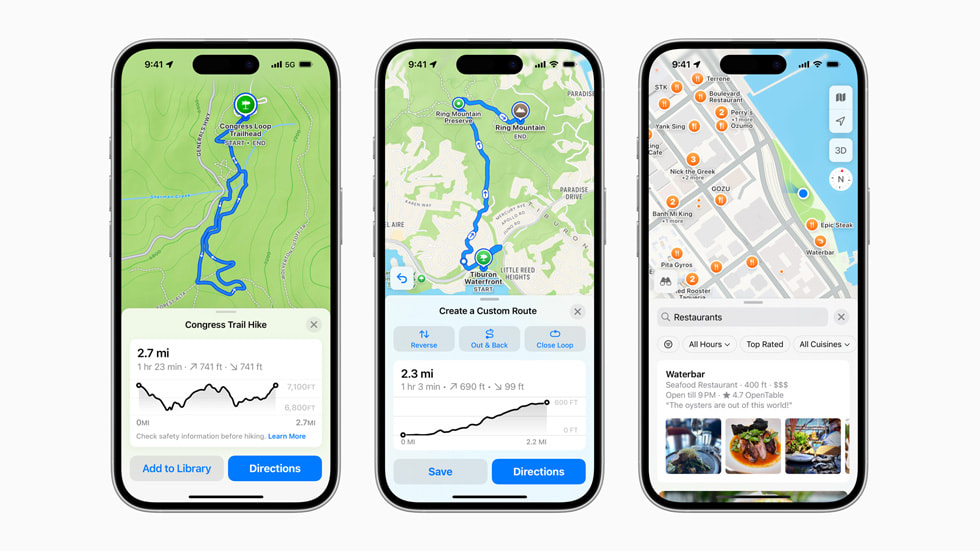
When Tim Cook took over leadership of Apple in 2011, he inherited not only one of the world’s most valuable companies but also the immense pressure of succeeding Steve Jobs. Over the years, Cook has overseen steady growth, operational excellence, and expansion into services. Yet among his many accomplishments, Apple Maps success has emerged as one of the most defining milestones of his tenure.
What makes Apple Maps success particularly noteworthy is not just its current position as a competitive navigation platform, but the journey it took to get there. Launched in 2012, Apple Maps was initially met with widespread criticism due to inaccuracies, missing data, and poor user experience. At the time, it was considered one of Apple’s most significant missteps. Today, however, Apple Maps success tells a very different story, one of resilience, long-term investment, and strategic execution.
From Controversial Launch to Apple Maps Success
The early days of Apple Maps were anything but smooth. When Apple replaced Google Maps as the default navigation app on iPhones, users quickly noticed serious flaws. Incorrect directions, distorted landmarks, and incomplete data led to frustration and negative media coverage.
In a rare move, Tim Cook publicly acknowledged the shortcomings and issued an apology. This moment marked a turning point. Instead of abandoning the project, Apple committed to fixing it. The company invested heavily in data collection, mapping technology, and user interface improvements.
Apple Maps success did not happen overnight. It required years of incremental upgrades, including rebuilding maps from the ground up, improving accuracy, and enhancing visual detail. Apple deployed its own mapping vehicles equipped with advanced sensors to collect high-quality data, reducing reliance on third-party providers.
This long-term commitment reflects a broader philosophy within Apple under Cook’s leadership. Rather than chasing quick wins, the company focuses on refining products over time. Apple Maps success is a clear example of how persistence and strategic investment can transform an initial failure into a competitive advantage.
How Apple Maps Success Strengthened Apple Ecosystem
One of the key drivers behind Apple Maps success is its deep integration within the Apple ecosystem. Unlike standalone navigation apps, Apple Maps is seamlessly embedded across devices such as iPhone, iPad, Mac, and Apple Watch.
This integration enhances user experience by enabling features like synchronized navigation, real-time updates, and voice guidance through Siri. As a result, Apple Maps becomes more than just a mapping tool. It becomes a core component of Apple’s ecosystem strategy.
Apple Maps success also supports the company’s broader push into services. As Apple continues to expand its services segment, having a reliable and widely used mapping platform creates new opportunities for monetization and innovation. From location-based services to potential advertising models, the possibilities are significant.
Privacy is another factor contributing to Apple Maps success. Apple has positioned itself as a leader in user privacy, and this extends to its mapping service. Unlike some competitors, Apple emphasizes on-device processing and minimal data collection, appealing to privacy-conscious users.
By combining ecosystem integration, privacy, and continuous improvement, Apple Maps success reinforces Apple’s competitive position in the global technology market.
Apple Maps Success and Tim Cook Leadership Strategy
Apple Maps success is closely tied to Tim Cook’s leadership style. Unlike Steve Jobs, who was known for bold and often risky product launches, Cook has taken a more measured and operationally focused approach.
This difference is evident in how Apple handled the initial failure of Apple Maps. Instead of retreating, Cook doubled down on investment and execution. This decision required patience and confidence in the company’s long-term vision.
Under Cook’s leadership, Apple has emphasized consistency, efficiency, and scalability. Apple Maps success aligns with this approach, as it demonstrates how sustained effort can yield significant results over time.
Moreover, Apple Maps success highlights Cook’s ability to manage crises effectively. The initial backlash could have damaged Apple’s reputation, but the company’s response helped rebuild trust and credibility. Today, Apple Maps is widely used and continues to improve, validating Cook’s strategy.
It also reflects Apple’s shift toward services and software as key growth drivers. While hardware remains central to the company’s identity, services are becoming increasingly important. Apple Maps success contributes to this transition by enhancing the overall value of Apple’s ecosystem.
Competitive Landscape and Industry Implications
The mapping and navigation industry is highly competitive, with major players investing heavily in technology and data. Apple Maps success positions Apple as a strong contender in this space, challenging established competitors.
The importance of mapping services extends beyond navigation. They play a critical role in various applications, including ride-hailing, logistics, augmented reality, and smart city development. As such, Apple Maps success has broader implications for the technology industry.
By controlling its own mapping platform, Apple reduces dependency on external providers and gains greater control over user experience. This strategic independence is crucial in an increasingly competitive environment.
Apple Maps success also demonstrates the value of vertical integration. By combining hardware, software, and services, Apple creates a cohesive ecosystem that is difficult for competitors to replicate. This approach strengthens customer loyalty and drives long-term growth.
In addition, the success of Apple Maps highlights the importance of data ownership. High-quality mapping data is a valuable asset that can be leveraged across multiple applications. As AI and machine learning become more prevalent, the ability to process and analyze location data will become even more important.
What Apple Maps Success Means for the Future
Looking ahead, Apple Maps success is likely to play a significant role in Apple’s future innovations. The platform provides a foundation for emerging technologies such as augmented reality navigation and autonomous systems.
As Apple continues to invest in AI and machine learning, Apple Maps could become even more intelligent and personalized. Features such as predictive navigation, real-time traffic optimization, and enhanced location-based services are likely to evolve further.
Apple Maps success also opens up opportunities for expansion into new markets. As the service continues to improve, it can attract more users globally, increasing its reach and influence.
For Tim Cook, Apple Maps success represents more than just a product achievement. It symbolizes his ability to lead Apple through challenges and deliver long-term value. In a company known for innovation, turning a widely criticized product into a success story is no small feat.
Apple Maps success stands as one of the most compelling examples of transformation in the technology industry. From a troubled launch to becoming a key pillar of Apple’s ecosystem, the journey reflects the power of persistence, strategic investment, and effective leadership.
Under Tim Cook, Apple has demonstrated that success is not always immediate. Sometimes, it requires years of refinement and a willingness to learn from mistakes. Apple Maps success embodies this philosophy and highlights the importance of resilience in a rapidly evolving industry.
As Apple continues to innovate and expand its services, Apple Maps will remain a critical component of its strategy. For observers and competitors alike, the lesson is clear: even the most challenging setbacks can be turned into lasting achievements with the right approach.
Read More