





 Tuesday, 15-09-26








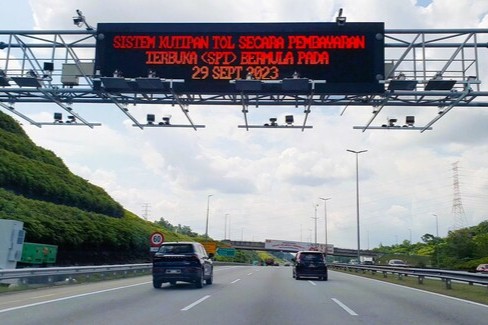
Thailand has launched an AI-powered tolling system on the M81 Bang Yai–Kanchanaburi motorway, supported by Taiwan-based Far Eastern Electronic Toll Collection Co., Ltd. (FETC) (22/04).
The system, identified as part of Thailand’s M-Flow multi-lane free-flow tolling network, has drawn attention due to its similarity to Taiwan’s ETC gantries.
Developed in collaboration with FETC International (Thailand) Co., Ltd. and BGSR81 Co., Ltd., the project has officially entered operation, marking progress in Thailand’s adoption of digital highway infrastructure.
Smart Tolling Technology Reduces Travel Time and Boosts Connectivity
The M81 motorway improves connectivity between Bangkok and Kanchanaburi, enabling what is described as a “one-day travel corridor.”
Since the system began operations, travel time has decreased from nearly two hours to approximately 48 minutes.
Weekend traffic volumes have reached around 55,000 vehicles per day, supporting tourism and logistics in western Thailand.
AI and IoT Integration Enhances Traffic Management and Accuracy
The tolling system integrates artificial intelligence and Internet of Things technologies to support data-driven traffic management and operations.
FETC International Thailand handled the design, installation, and implementation, including the Traffic Operations Center.
Challenges related to diverse vehicle types and complex license plate formats were addressed using AI-powered automatic license plate recognition, ensuring accurate identification.
Vehicles can pass through toll points without stopping due to the system’s multi-lane free-flow design and multiple digital payment options.
Economic and Environmental Gains from M-Flow Tolling System
FETC has also supported Thailand’s Department of Highways since 2022 in deploying the M-Flow system on the M9 motorway.
According to official data, the system has increased traffic throughput fivefold and saves motorists an estimated 3.33 million hours each year.
The benefit-cost ratio is reported at 6.94, indicating significant overall value.
Fuel consumption has been reduced by about 13.91 million liters annually, while carbon emissions have decreased by more than 36,000 metric tons.
PHOTO: FETC INTERNATIONAL
This article was created with AI assistance.
We make every effort to ensure the accuracy of our content, some information may be incorrect or outdated. Please let us know of any corrections at [email protected].
Read More