





 Sunday, 31-05-26








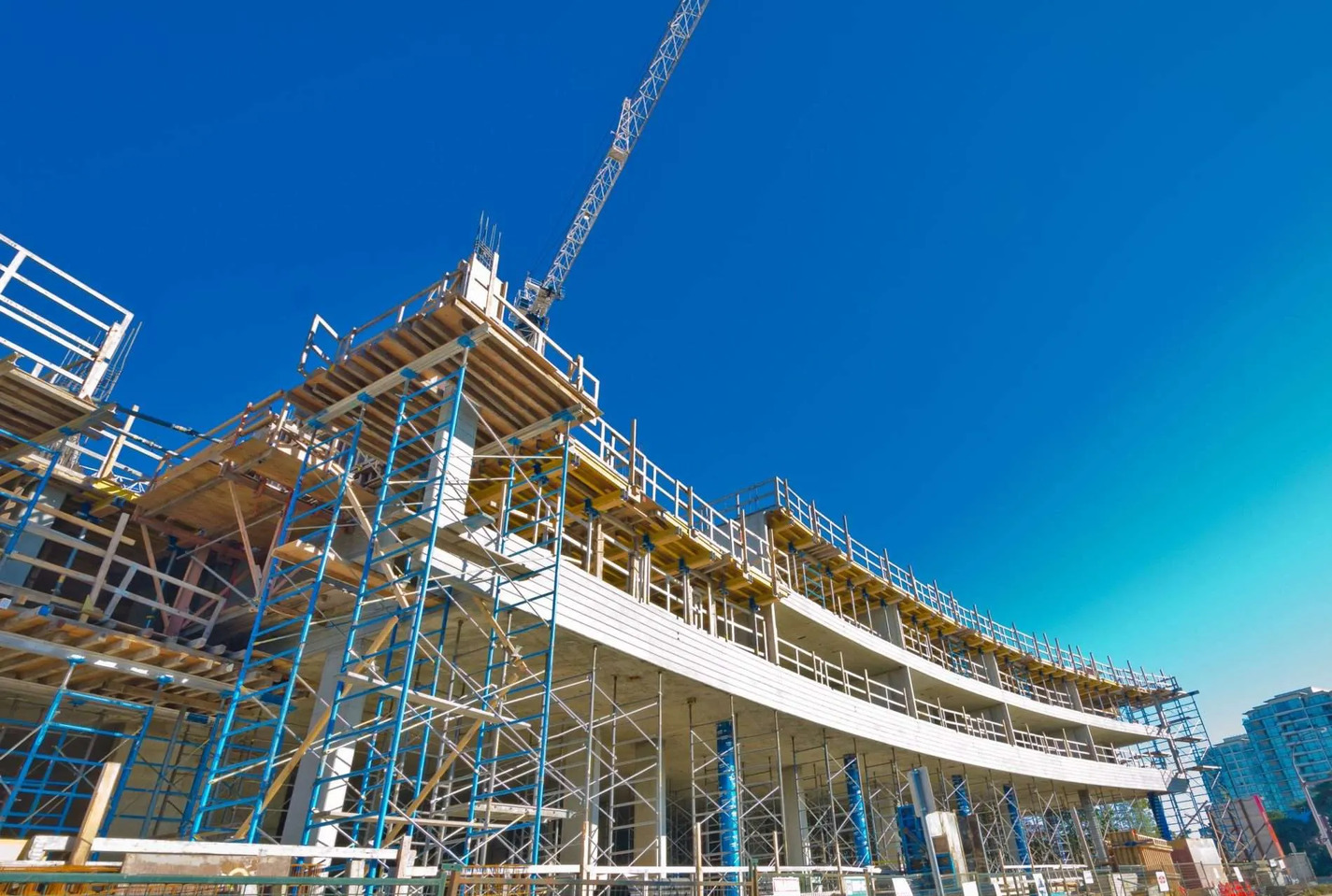
The global construction industry is facing mounting pressure as building material prices continue to rise, driven largely by escalating geopolitical tensions and persistent supply chain disruptions. From steel and cement to energy intensive inputs, the cost structure of construction projects is becoming increasingly volatile.
This trend is not limited to a single region. Instead, it reflects a broader global phenomenon where conflicts, trade restrictions, and rising energy prices are collectively pushing building material prices upward. For emerging markets like Indonesia, the impact is particularly significant, as infrastructure development and property growth rely heavily on stable and affordable material costs.
The ongoing increase in building material prices is creating a ripple effect across industries, influencing everything from housing affordability to large scale infrastructure investment. As developers and contractors reassess budgets, the pressure is now shifting toward both policymakers and businesses to navigate this challenging environment.
Global Conflicts Driving Building Material Prices Higher
One of the primary factors behind the surge in building material prices is the intensification of global conflicts. Geopolitical instability has disrupted key supply routes and limited access to essential raw materials, particularly those sourced from regions affected by conflict.
Steel, one of the most critical construction materials, is heavily influenced by global trade dynamics. When major producers face export constraints or logistical challenges, supply tightens, pushing prices upward. Similarly, cement production, which depends on energy intensive processes, becomes more expensive when fuel costs rise due to geopolitical tensions.
Energy plays a central role in shaping building material prices. Conflicts often lead to volatility in oil and gas markets, which directly impacts transportation and production costs. As energy prices increase, manufacturers pass on these additional costs to buyers, contributing to higher overall building material prices.
Shipping disruptions are another key issue. Conflict zones can affect major trade routes, increasing freight costs and delivery times. This creates uncertainty for construction companies that rely on timely material supply, forcing them to either stockpile materials or pay premium prices to secure availability.
In Indonesia, where infrastructure development remains a national priority, these global pressures are beginning to show. Rising building material prices could potentially slow down project timelines and increase the financial burden on both public and private sector developments.
Supply Chain Disruptions and Cost Inflation
Beyond geopolitical conflicts, supply chain disruptions continue to play a major role in the increase of building material prices. The global supply chain has yet to fully stabilize after previous shocks, and new disruptions are compounding existing challenges.
Raw material shortages are becoming more frequent, particularly for commodities like iron ore, coal, and clinker. These inputs are essential for producing steel and cement, and any disruption in their supply directly affects output levels. As availability decreases, prices naturally rise.
Labor constraints in manufacturing and logistics sectors further exacerbate the situation. Limited workforce availability can slow down production and transportation processes, reducing efficiency and increasing costs. These inefficiencies are ultimately reflected in higher building material prices.
Another contributing factor is the shift toward sustainability and environmental regulations. While necessary for long term environmental goals, stricter regulations can increase production costs for building materials. For example, efforts to reduce carbon emissions in cement production require investment in new technologies, which can drive up prices in the short term.
Currency fluctuations also play a role, particularly for countries that rely on imported materials. A weaker local currency makes imports more expensive, adding another layer of cost pressure. For Indonesia, exchange rate movements can significantly influence building material prices, especially for materials that are not produced domestically.
As a result, developers are facing a more complex pricing environment. Budget planning has become increasingly difficult, as building material prices can change rapidly in response to global developments. This uncertainty is forcing companies to adopt more flexible strategies, including renegotiating contracts and exploring alternative materials.
Impact on Construction Industry and Housing Market
The sustained rise in building material prices is having a profound impact on the construction industry and the broader housing market. For developers, higher input costs translate directly into increased project expenses, which can affect profitability and investment decisions.
In the residential sector, rising building material prices are contributing to higher property prices. Developers often pass on increased costs to buyers, making housing less affordable for many consumers. This can slow down demand, particularly in markets where purchasing power is already constrained.
Infrastructure projects are also at risk. Governments that have committed to large scale development programs may face budget overruns as building material prices continue to climb. This could lead to project delays or the need for additional funding, putting pressure on public finances.
Contractors and construction firms are particularly vulnerable to price volatility. Fixed price contracts can become unprofitable when material costs rise unexpectedly, forcing companies to absorb losses or renegotiate terms. This creates additional risk in an already challenging business environment.
On the positive side, the increase in building material prices can encourage innovation. Companies may explore alternative materials, adopt more efficient construction methods, or invest in recycling and circular economy practices. Over time, these changes could help reduce dependency on traditional materials and improve resilience against future price shocks.
Outlook for Building Material Prices Amid Global Uncertainty
Looking ahead, the trajectory of building material prices will depend on several key factors, including the evolution of geopolitical conflicts, energy market stability, and supply chain recovery.
If global tensions persist, it is likely that building material prices will remain elevated in the near term. Continued disruptions to supply chains and energy markets could sustain upward pressure on costs, particularly for energy intensive materials like steel and cement.
However, there are also potential stabilizing factors. Improvements in global logistics, increased production capacity, and technological advancements could help ease supply constraints. Additionally, any resolution or de escalation of conflicts could restore trade flows and reduce uncertainty.
Demand trends will also influence future price movements. A slowdown in global economic growth could reduce construction activity, potentially easing pressure on building material prices. Conversely, continued investment in infrastructure and urban development could sustain demand and keep prices high.
For Indonesia, managing the impact of rising building material prices will require coordinated efforts between government and industry players. Policies aimed at strengthening domestic production, improving supply chain efficiency, and stabilizing currency fluctuations could help mitigate risks.
In conclusion, the current surge in building material prices highlights the interconnected nature of global markets. Geopolitical conflicts, supply chain disruptions, and energy costs are all contributing to a more volatile pricing environment. While challenges remain, the situation also presents opportunities for innovation and strategic adaptation within the construction industry.
Read More