





 Thursday, 28-05-26








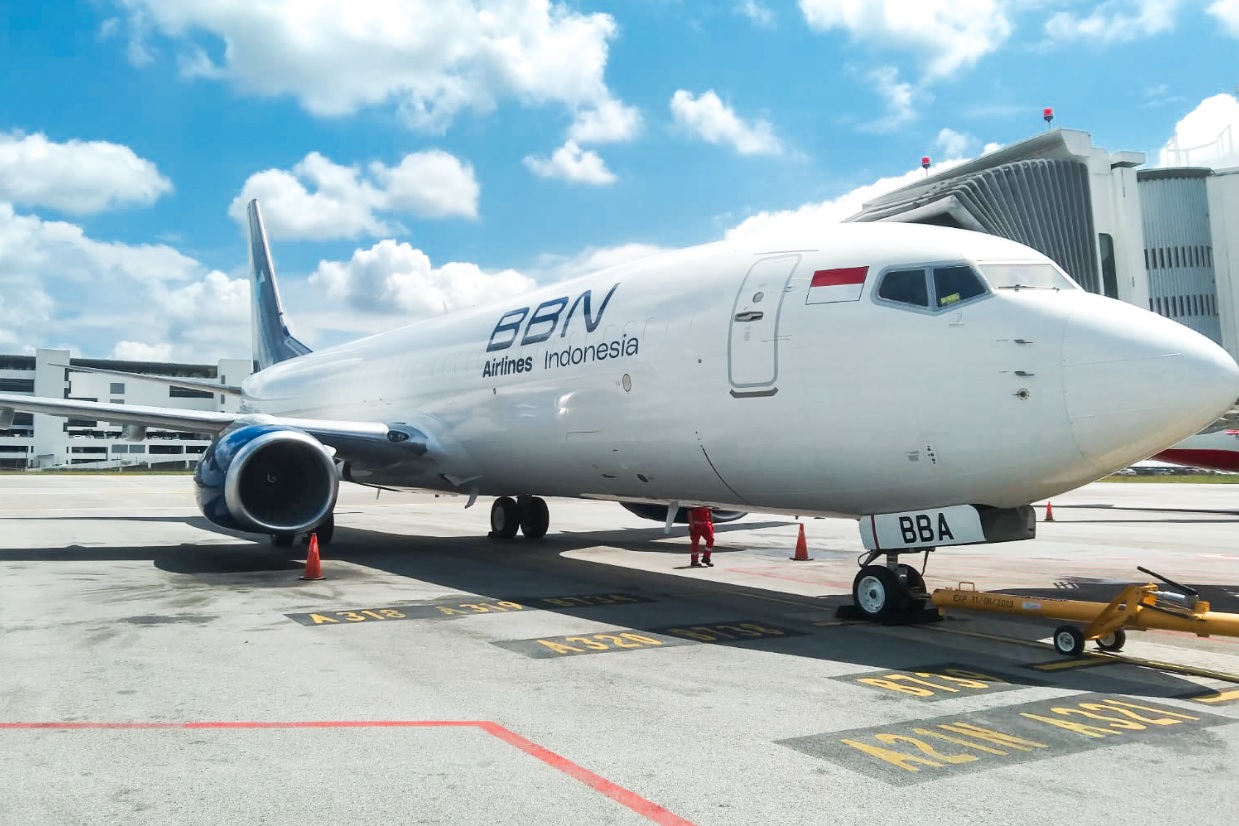
Indonesia aviation stimulus policies are under scrutiny as airlines report minimal benefits from government efforts aimed at supporting the sector. Despite initiatives such as value-added tax exemptions on airline tickets, industry players argue that these measures have yet to deliver meaningful relief in the face of escalating operational costs.
The Indonesian aviation sector has been navigating a complex recovery path following the pandemic, compounded by global economic pressures, fuel price volatility, and currency fluctuations. While the government’s Indonesia aviation stimulus program was designed to stimulate demand and improve airline liquidity, recent feedback from industry stakeholders suggests that its impact remains limited.
Indonesia Aviation Stimulus and Policy Intentions
The Indonesia aviation stimulus was introduced as part of a broader effort to accelerate economic recovery and boost domestic travel. One of the key measures included the partial or full exemption of value-added tax on airline tickets, aimed at reducing ticket prices and encouraging more passengers to fly.
In theory, lowering ticket prices should increase demand, leading to higher load factors and improved revenue for airlines. This approach has been used in various markets as a short-term mechanism to revive tourism and related industries.
However, the effectiveness of the Indonesia aviation stimulus depends heavily on external variables. Consumer purchasing power, macroeconomic stability, and operational cost structures all play a crucial role in determining whether such policies can achieve their intended outcomes.
Airlines have acknowledged the government’s efforts but emphasize that demand stimulation alone is insufficient to address the structural challenges facing the industry.
Rising Operational Costs Offset Stimulus Benefits
One of the primary reasons the Indonesia aviation stimulus has not had a significant impact is the sharp increase in operational costs. Aviation fuel, or avtur, remains one of the largest cost components for airlines, and recent price hikes have placed considerable pressure on margins.
In addition to fuel costs, airlines are also dealing with higher maintenance expenses, aircraft leasing fees, and airport charges. Currency depreciation has further exacerbated these challenges, as many airline expenses are denominated in US dollars.
For low-cost carriers such as AirAsia, maintaining competitive ticket prices while absorbing rising costs is becoming increasingly difficult. Even with Indonesia aviation stimulus measures in place, the financial relief provided is often offset by these cost pressures.
As a result, airlines are unable to fully pass on the benefits of tax exemptions to consumers. Instead of significantly lowering ticket prices, much of the cost savings are used to stabilize operations and prevent further financial strain.
Demand Recovery Remains Uneven
Another factor limiting the effectiveness of the Indonesia aviation stimulus is the uneven recovery of passenger demand. While domestic travel has shown signs of improvement, it has not yet returned to pre-pandemic levels across all routes.
Business travel remains subdued, as companies continue to adopt digital alternatives and cost-saving measures. Meanwhile, leisure travel demand is highly sensitive to economic conditions, particularly inflation and household income levels.
The Indonesia aviation stimulus aims to encourage more people to travel, but consumer behavior is influenced by a broader set of economic indicators. Rising living costs may discourage discretionary spending on travel, even if ticket prices are slightly reduced.
Airlines also face challenges in optimizing capacity. Deploying additional flights in anticipation of increased demand carries financial risks, especially if load factors do not meet expectations. This creates a cautious approach among carriers, limiting the overall impact of the Indonesia aviation stimulus.
Structural Challenges in Indonesia’s Aviation Sector
Beyond short-term economic pressures, the Indonesia aviation stimulus is also constrained by structural issues within the aviation industry. Infrastructure limitations, regulatory complexities, and market competition all play a role in shaping industry performance.
Indonesia’s geography as an archipelago makes air travel essential, but it also presents logistical challenges. Operating flights across diverse and sometimes remote regions requires significant investment and coordination.
Airport infrastructure in certain areas may not be fully equipped to handle increased traffic, limiting the potential for rapid expansion. Additionally, regulatory frameworks and pricing controls can affect airlines’ ability to adjust fares dynamically in response to market conditions.
The Indonesia aviation stimulus does not directly address these structural challenges, which means its impact is inherently limited. Long-term improvements in infrastructure and regulatory efficiency will be critical for sustainable growth.
Industry Outlook and Policy Considerations
Looking ahead, the effectiveness of the Indonesia aviation stimulus will depend on how well it is integrated with broader policy measures. Industry stakeholders have suggested that more comprehensive support is needed to ensure a resilient recovery.
This could include measures such as fuel price stabilization, tax incentives for airline operations, and investment in aviation infrastructure. Strengthening collaboration between the government and industry players will also be essential.
The Indonesia aviation stimulus should be viewed as one component of a larger strategy rather than a standalone solution. While it may provide short-term relief, addressing the root causes of financial pressure in the aviation sector requires a more holistic approach.
For airlines, adapting to the current environment involves optimizing routes, improving operational efficiency, and exploring new revenue streams. Digital transformation and data-driven decision-making are becoming increasingly important in navigating market uncertainties.
At the same time, passenger expectations are evolving. Travelers are seeking greater value, flexibility, and convenience, which adds another layer of complexity for airlines trying to balance cost management with service quality.
Conclusion
Indonesia aviation stimulus initiatives reflect the government’s commitment to supporting the aviation sector during a challenging period. However, the limited impact reported by airlines highlights the complexity of the issues at hand.
Rising operational costs, uneven demand recovery, and structural industry challenges have all contributed to the muted effectiveness of the Indonesia aviation stimulus. While tax exemptions and demand stimulation efforts are important, they are not sufficient on their own to drive a full recovery.
As the aviation industry continues to evolve, a more comprehensive and coordinated approach will be necessary. By addressing both short-term pressures and long-term structural issues, Indonesia can create a more resilient and competitive aviation sector.
Ultimately, the success of the Indonesia aviation stimulus will depend on its ability to adapt to changing conditions and align with broader economic and industry dynamics.
Read More