





 Monday, 25-05-26








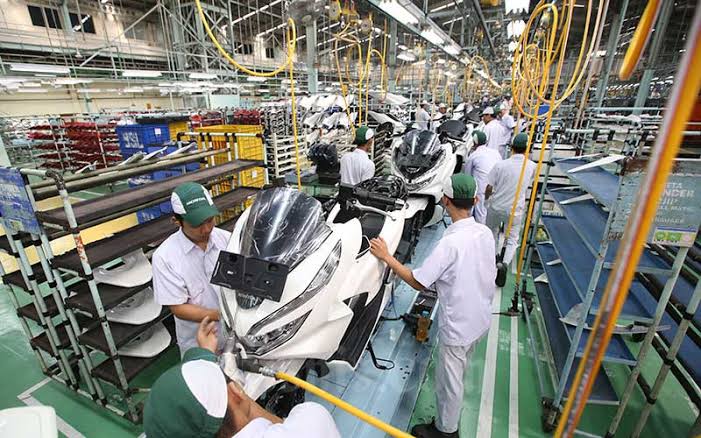
Indonesia’s manufacturing sector is entering a more cautious phase of growth, as reflected in the latest Indonesia Manufacturing PMI data. In March 2026, the Purchasing Managers’ Index declined to 50.1, signaling that while the sector remains in expansion territory, the pace of growth has significantly slowed. This marginal decline highlights a delicate balance within the industrial sector. On one hand, Indonesia continues to demonstrate resilience amid global economic uncertainty. On the other hand, underlying pressures such as weakening demand, cost challenges, and external risks are beginning to weigh on performance. The latest Indonesia Manufacturing PMI figures provide important insights into the health of the country’s industrial base and its outlook for the coming months.
Understanding Indonesia Manufacturing PMI and Its Economic Significance
The Indonesia Manufacturing PMI is a key indicator used to assess the performance of the manufacturing sector. A reading above 50 indicates expansion, while a figure below 50 signals contraction. With a March 2026 reading of 50.1, the sector is technically still growing, but only marginally. This near-threshold figure suggests that the manufacturing sector is losing momentum. Compared to previous months, the slower growth reflects a more challenging operating environment for manufacturers.
The Indonesia Manufacturing PMI captures several components, including new orders, production output, employment levels, supplier delivery times, and inventory changes. A decline in the index often indicates that one or more of these components are weakening.
In the current context, softer demand appears to be a key factor. Both domestic and international markets are showing signs of moderation, affecting order volumes and production levels. As a result, companies are becoming more cautious in their operations.
Despite this slowdown, the fact that the Indonesia Manufacturing PMI remains above 50 is still a positive signal. It indicates that the sector has not entered contraction and continues to contribute to overall economic growth.
Key Drivers Behind the Decline in Indonesia Manufacturing PMI
Several factors are contributing to the recent decline in the Indonesia Manufacturing PMI. One of the most significant is the weakening of global demand. As major economies face economic uncertainty, export-oriented industries in Indonesia are experiencing reduced order volumes. Another important factor is rising input costs. Manufacturers are facing higher prices for raw materials, energy, and logistics. These cost pressures can erode profit margins and limit the ability of companies to expand production.
The Indonesia Manufacturing PMI also reflects changes in business sentiment. Companies are becoming more cautious about future demand, leading to more conservative production plans and hiring decisions. This cautious approach is contributing to the slower pace of expansion. In addition, supply chain challenges continue to affect the sector. While conditions have improved compared to previous years, disruptions in global supply chains still pose risks. Delays in the delivery of materials can impact production schedules and overall efficiency. Currency fluctuations and external geopolitical factors are also influencing the Indonesia Manufacturing PMI. Global uncertainties can affect trade flows, investment decisions, and market stability, all of which have implications for the manufacturing sector.
Implications for Indonesia’s Industrial Sector
The latest Indonesia Manufacturing PMI data has important implications for the broader industrial sector. A slowdown in manufacturing growth can affect employment, investment, and overall economic performance. Manufacturing is a key driver of Indonesia’s economy, contributing significantly to GDP and job creation. As such, changes in the Indonesia Manufacturing PMI are closely monitored by policymakers and investors. A slower pace of growth may lead to reduced hiring in the sector. Companies may choose to delay expansion plans or limit workforce growth until demand conditions improve. This could have a ripple effect on household income and consumption.
Investment decisions are also influenced by the Indonesia Manufacturing PMI. Lower growth expectations can lead to more cautious investment strategies, both from domestic and foreign investors. This may affect the pace of industrial development and innovation. However, the situation is not entirely negative. The fact that the Indonesia Manufacturing PMI remains in expansion territory suggests that the sector still has a solid foundation. With the right policies and support, it can regain momentum in the coming months.
Policy Response and Strategic Opportunities
In response to the trends indicated by the Indonesia Manufacturing PMI, policymakers may need to take proactive measures to support the sector. This could include fiscal incentives, infrastructure development, and efforts to improve the business environment.
One potential strategy is to boost domestic demand. By encouraging consumption and investment within the country, the government can help offset the impact of weaker global demand. This would provide a more stable foundation for manufacturing growth. Another important area is cost management. Addressing issues related to energy prices, logistics, and supply chains can help reduce operational costs for manufacturers. This, in turn, can improve competitiveness and support expansion.
The Indonesia Manufacturing PMI also highlights the importance of innovation and digital transformation. By adopting new technologies, manufacturers can improve efficiency, reduce costs, and enhance product quality. This can help them remain competitive in a challenging environment. Export diversification is another key opportunity. By expanding into new markets, Indonesian manufacturers can reduce their reliance on a limited number of trading partners. This can help mitigate the impact of global economic fluctuations on the Indonesia Manufacturing PMI.
Outlook for Indonesia Manufacturing PMI in 2026
Looking ahead, the trajectory of the Indonesia Manufacturing PMI will depend on both domestic and global factors. If global economic conditions improve, there is potential for a rebound in demand and stronger manufacturing performance. However, uncertainties remain. Geopolitical tensions, inflationary pressures, and changes in monetary policy in major economies could continue to influence the Indonesia Manufacturing PMI.
On the domestic front, government policies and economic reforms will play a crucial role. Initiatives aimed at strengthening industrial competitiveness, improving infrastructure, and supporting innovation can help sustain growth. Business confidence will also be a key factor. If companies become more optimistic about future demand, they may increase production and investment, leading to a higher Indonesia Manufacturing PMI. In the medium term, Indonesia’s strong fundamentals provide a solid foundation for growth. With a large domestic market, a growing middle class, and ongoing industrialization efforts, the manufacturing sector has significant potential.
The latest Indonesia Manufacturing PMI reading of 50.1 reflects a period of slower but still positive growth for the country’s manufacturing sector. While challenges such as weak demand and rising costs are evident, the sector remains resilient. Understanding the trends behind the Indonesia Manufacturing PMI is essential for businesses, investors, and policymakers. It provides valuable insights into the health of the industrial sector and the broader economy.
Moving forward, strategic actions will be needed to address current challenges and unlock new opportunities. By focusing on innovation, efficiency, and market diversification, Indonesia can strengthen its manufacturing sector and sustain long-term growth.
The Indonesia Manufacturing PMI will continue to be a critical indicator to watch as the country navigates an increasingly complex economic landscape.
Read More