





 Monday, 12-10-26








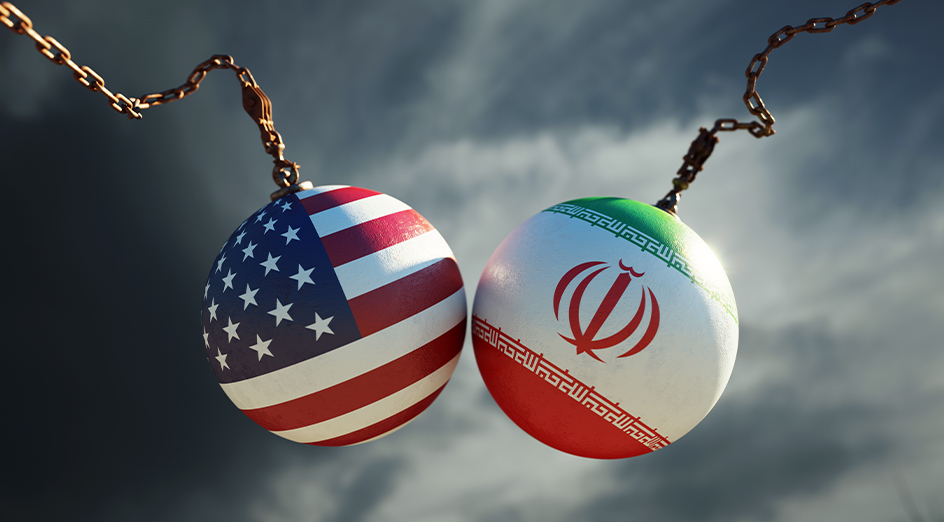
The escalating geopolitical tensions involving the United States, Israel, and Iran are no longer confined to military or diplomatic arenas. According to recent analysis by the United Nations Development Programme, the Middle East Conflict Economic Impact is becoming increasingly severe, with projections indicating a contraction of up to 6 percent in regional gross domestic product.
This economic shock is not just a short-term disruption. It is a structural challenge that threatens to reverse years of development progress, widen inequality, and push millions of people into poverty. The Middle East Conflict Economic Impact is now a central concern for policymakers, businesses, and international organizations alike.
As global interconnectedness intensifies, the ripple effects of this conflict extend far beyond the immediate region, influencing global energy markets, investment flows, and economic stability.
Understanding the Scale of Middle East Conflict Economic Impact
The magnitude of the Middle East Conflict Economic Impact lies in its multi-dimensional nature. Unlike isolated economic shocks, this conflict affects multiple sectors simultaneously, including energy, trade, tourism, and investment.
One of the most immediate effects is the disruption of economic activity. Conflict conditions reduce productivity, limit mobility, and create uncertainty that discourages business operations. As a result, economic output declines, contributing to the projected GDP contraction.
The Middle East Conflict Economic Impact is particularly pronounced in countries that are directly or indirectly involved in the conflict. These economies face increased fiscal pressures as governments allocate more resources to defense and security, often at the expense of social and economic development programs.
In addition, infrastructure damage and supply chain disruptions further exacerbate the situation. Critical sectors such as transportation and logistics are heavily affected, leading to higher costs and reduced efficiency.
The combined effect of these factors creates a downward economic spiral, where reduced growth leads to lower income levels, decreased consumption, and further economic contraction.
Rising Poverty and Widening Inequality
One of the most concerning aspects of the Middle East Conflict Economic Impact is its effect on poverty and inequality. As economic conditions deteriorate, vulnerable populations are disproportionately affected.
Job losses and reduced income opportunities are among the immediate consequences. Many industries, particularly those reliant on stability such as tourism and retail, experience significant downturns. This leads to layoffs and reduced wages, pushing more people below the poverty line.
The Middle East Conflict Economic Impact also affects access to essential services. Governments facing fiscal constraints may struggle to maintain funding for healthcare, education, and social protection programs. This can have long-term consequences for human development.
Inequality tends to widen during periods of conflict. Wealthier individuals and organizations often have the resources to adapt and mitigate risks, while lower-income populations bear the brunt of economic hardship. This dynamic further deepens social divisions and creates additional challenges for recovery.
Moreover, the displacement of populations due to conflict adds another layer of complexity. Displaced individuals often face limited access to employment and services, exacerbating the overall Middle East Conflict Economic Impact.
Global Spillover Effects and Market Disruptions
The Middle East Conflict Economic Impact is not limited to the region. Its effects are felt globally, particularly through energy markets. The Middle East is a critical hub for oil and gas production, and any disruption in supply can lead to significant price volatility.
Rising energy prices have a cascading effect on the global economy. Higher fuel costs increase production and transportation expenses, which can lead to inflationary pressures in multiple sectors. This, in turn, affects consumer purchasing power and economic growth.
Financial markets are also sensitive to geopolitical uncertainty. The Middle East Conflict Economic Impact can lead to fluctuations in stock markets, currency values, and investment flows. Investors tend to adopt a risk-averse approach during periods of instability, redirecting capital to safer assets.
Trade routes and supply chains are another area of concern. The conflict can disrupt key shipping lanes, leading to delays and increased costs. This has implications for global trade, particularly for countries that rely heavily on imports and exports through the region.
For emerging economies, including those in Southeast Asia, the Middle East Conflict Economic Impact can pose additional challenges. Higher energy costs and reduced global demand can affect economic performance and development prospects.
Policy Responses and Mitigation Strategies
Addressing the Middle East Conflict Economic Impact requires coordinated efforts at both national and international levels. Governments in the region must balance immediate security needs with long-term economic stability.
Fiscal policy plays a critical role. Governments may need to implement targeted support measures to protect vulnerable populations and sustain economic activity. This could include subsidies, social assistance programs, and investment in critical infrastructure.
International organizations and development agencies also have an important role to play. By providing financial assistance, technical support, and policy guidance, they can help mitigate the Middle East Conflict Economic Impact and support recovery efforts.
Diversification of the economy is another key strategy. Countries that rely heavily on a limited number of sectors are more vulnerable to shocks. By expanding into new industries, they can build resilience and reduce the impact of future disruptions.
In addition, regional cooperation is essential. Collaborative efforts can help stabilize markets, maintain trade flows, and address shared challenges. The Middle East Conflict Economic Impact underscores the importance of collective action in an interconnected world.
Long Term Outlook for Regional Economies
The long-term implications of the Middle East Conflict Economic Impact depend on several factors, including the duration and intensity of the conflict, as well as the effectiveness of policy responses.
If the conflict persists, the economic damage could become more entrenched. Prolonged instability can deter investment, hinder development, and create structural challenges that take years to overcome.
However, there are also opportunities for recovery and transformation. Post-conflict reconstruction efforts can drive economic growth and create new opportunities for innovation and development. The Middle East Conflict Economic Impact could serve as a catalyst for reform and modernization in some economies.
Technological advancements and digital transformation may also play a role in recovery. By adopting new technologies, countries can improve efficiency, enhance competitiveness, and build more resilient economic systems.
Ultimately, the path forward will require a combination of strategic planning, international cooperation, and sustained commitment to development goals.
The Middle East Conflict Economic Impact represents a significant challenge for the region and the global economy. With projections indicating a substantial decline in GDP and rising poverty levels, the stakes are high. This is not just an economic issue but a humanitarian one. The widening poverty gap and increasing inequality highlight the urgent need for effective solutions. While the challenges are considerable, there is also an opportunity to build more resilient and inclusive economies. By addressing the root causes of instability and investing in sustainable development, countries can mitigate the long-term effects of the Middle East Conflict Economic Impact. As the situation continues to evolve, close monitoring and proactive policy measures will be essential. The global community must work together to navigate this complex landscape and support recovery efforts in the affected regions.
Read More