





 Monday, 05-10-26








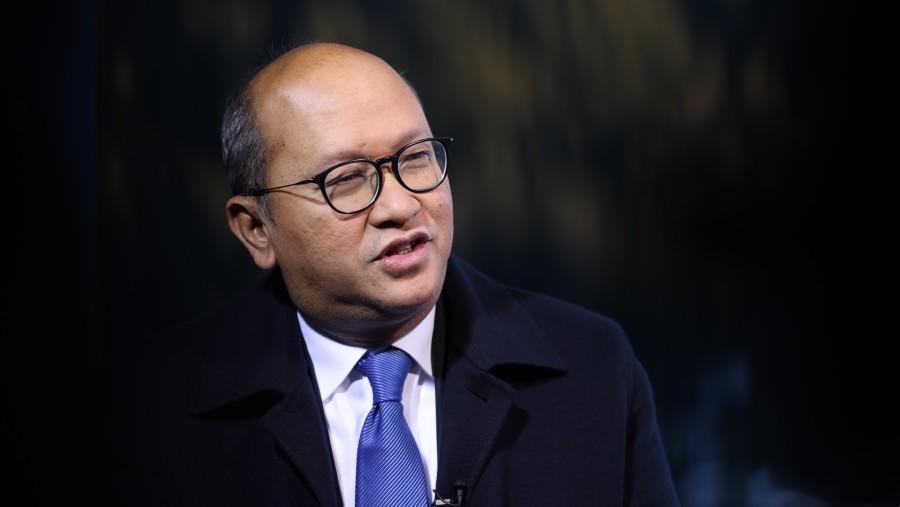
Indonesia is entering a pivotal phase in its energy transition journey, with Indonesia Renewable Energy Investment gaining renewed traction. Backed by shifting policy frameworks and evolving market dynamics, investment in clean energy is becoming increasingly attractive for both domestic and international players. One of the key drivers behind this momentum is the strategic approach taken by investment entities seeking to capitalize on emerging opportunities. By leveraging trends such as work from home patterns and government initiatives like the B50 biodiesel program, Indonesia is positioning itself as a promising hub for sustainable energy development. The growing emphasis on Indonesia Renewable Energy Investment reflects a broader recognition that the future of economic growth is closely tied to sustainability and energy security.
Policy Support Driving Indonesia Renewable Energy Investment
Government policy plays a central role in shaping the trajectory of Indonesia Renewable Energy Investment. In recent years, Indonesia has introduced a range of initiatives aimed at accelerating the adoption of renewable energy and reducing reliance on fossil fuels. One of the most significant policies is the B50 biodiesel mandate, which requires a higher blend of biofuel in diesel. This policy not only supports the domestic palm oil industry but also contributes to reducing carbon emissions. As a result, it creates new opportunities for investors interested in bioenergy projects.
In addition to the B50 program, broader regulatory support is enhancing the attractiveness of Indonesia Renewable Energy Investment. Policies that promote energy diversification, provide incentives for green projects, and encourage private sector participation are helping to create a more favorable investment climate. The alignment of government policies with global sustainability goals further strengthens the case for Indonesia Renewable Energy Investment. As countries around the world commit to reducing emissions, Indonesia’s efforts to expand its renewable energy capacity are gaining international attention.
Market Trends Shaping Investment Opportunities
Beyond policy support, market trends are also playing a crucial role in driving Indonesia Renewable Energy Investment. One notable trend is the shift in energy consumption patterns influenced by work from home arrangements. The increase in remote work has changed how energy is consumed, with greater demand for residential electricity and distributed energy solutions. This shift creates opportunities for investments in decentralized renewable energy systems such as rooftop solar and microgrids.
The Indonesia Renewable Energy Investment landscape is also being shaped by technological advancements. Innovations in energy storage, smart grids, and digital energy management systems are making renewable energy more efficient and cost-effective.
Another important factor is the growing awareness of environmental, social, and governance criteria among investors. More companies and financial institutions are prioritizing sustainable investments, leading to increased capital flows into renewable energy projects.
This trend is particularly relevant for Indonesia, where the potential for renewable energy development is vast. From solar and wind to geothermal and hydropower, the country has abundant resources that can be harnessed to support Indonesia Renewable Energy Investment.
Strategic Role of Investment Firms in Energy Transition
Investment firms are playing a critical role in advancing Indonesia Renewable Energy Investment. By identifying high-potential opportunities and allocating capital strategically, they help accelerate the development of renewable energy projects. These firms are increasingly adopting a proactive approach, seeking to capitalize on emerging trends and policy developments. The focus is not only on financial returns but also on contributing to the broader goal of sustainable development. The involvement of investment entities in Indonesia Renewable Energy Investment also brings additional benefits. They can provide expertise in project management, risk assessment, and financial structuring, which are essential for the successful implementation of large-scale energy projects.
Collaboration between investors, government agencies, and technology providers is another key aspect of this ecosystem. Such partnerships enable the sharing of knowledge and resources, enhancing the overall effectiveness of Indonesia Renewable Energy Investment initiatives. As competition for sustainable investments intensifies globally, Indonesia’s ability to attract and retain investment will depend on how well it can position itself as a reliable and attractive destination.
Challenges Facing Indonesia Renewable Energy Investment
Despite the positive momentum, Indonesia Renewable Energy Investment faces several challenges. Infrastructure limitations remain a significant barrier, particularly in remote areas where renewable energy potential is high but access to the grid is limited. Regulatory complexity is another issue. While progress has been made, there are still bureaucratic hurdles that can delay project approvals and increase costs. Streamlining processes and improving transparency will be essential for sustaining investment growth.
Financing is also a critical challenge. Renewable energy projects often require substantial upfront capital, and securing financing can be difficult, especially for smaller developers. Addressing this issue will require innovative financial solutions and greater support from financial institutions. The Indonesia Renewable Energy Investment landscape must also contend with competition from traditional energy sources. Fossil fuels continue to play a dominant role in the country’s energy mix, and transitioning away from them will require careful planning and policy alignment. However, these challenges are not insurmountable. With the right strategies and continued commitment, Indonesia can overcome these obstacles and unlock the full potential of its renewable energy sector.
Future Outlook for Indonesia Renewable Energy Investment
The outlook for Indonesia Renewable Energy Investment is highly promising. As global demand for clean energy continues to grow, Indonesia is well-positioned to become a key player in the renewable energy market. The combination of supportive policies, favorable market conditions, and strong investment interest creates a solid foundation for growth. Over time, this is expected to lead to increased capacity, improved technology adoption, and greater integration of renewable energy into the national grid.
The role of innovation will be particularly important. Advances in technology can help reduce costs, improve efficiency, and enhance the competitiveness of renewable energy. This will further strengthen the case for Indonesia Renewable Energy Investment. In addition, international collaboration can play a significant role. By partnering with global investors and technology providers, Indonesia can accelerate its energy transition and achieve its sustainability goals. Ultimately, the success of Indonesia Renewable Energy Investment will depend on the ability to balance economic growth with environmental sustainability. This requires a holistic approach that considers policy, market dynamics, and technological innovation.
The growing momentum behind Indonesia Renewable Energy Investment reflects a broader shift toward sustainable development and energy transition. With strong policy support and evolving market trends, the country is creating new opportunities for investors and stakeholders. While challenges remain, the potential benefits are substantial. By continuing to invest in renewable energy, Indonesia can enhance energy security, reduce environmental impact, and drive long-term economic growth. As the global energy landscape continues to evolve, Indonesia Renewable Energy Investment will play an increasingly important role in shaping the future of the country’s economy. The decisions made today will determine how effectively Indonesia can navigate the transition to a more sustainable and resilient energy system.
Read More