





 Sunday, 04-10-26








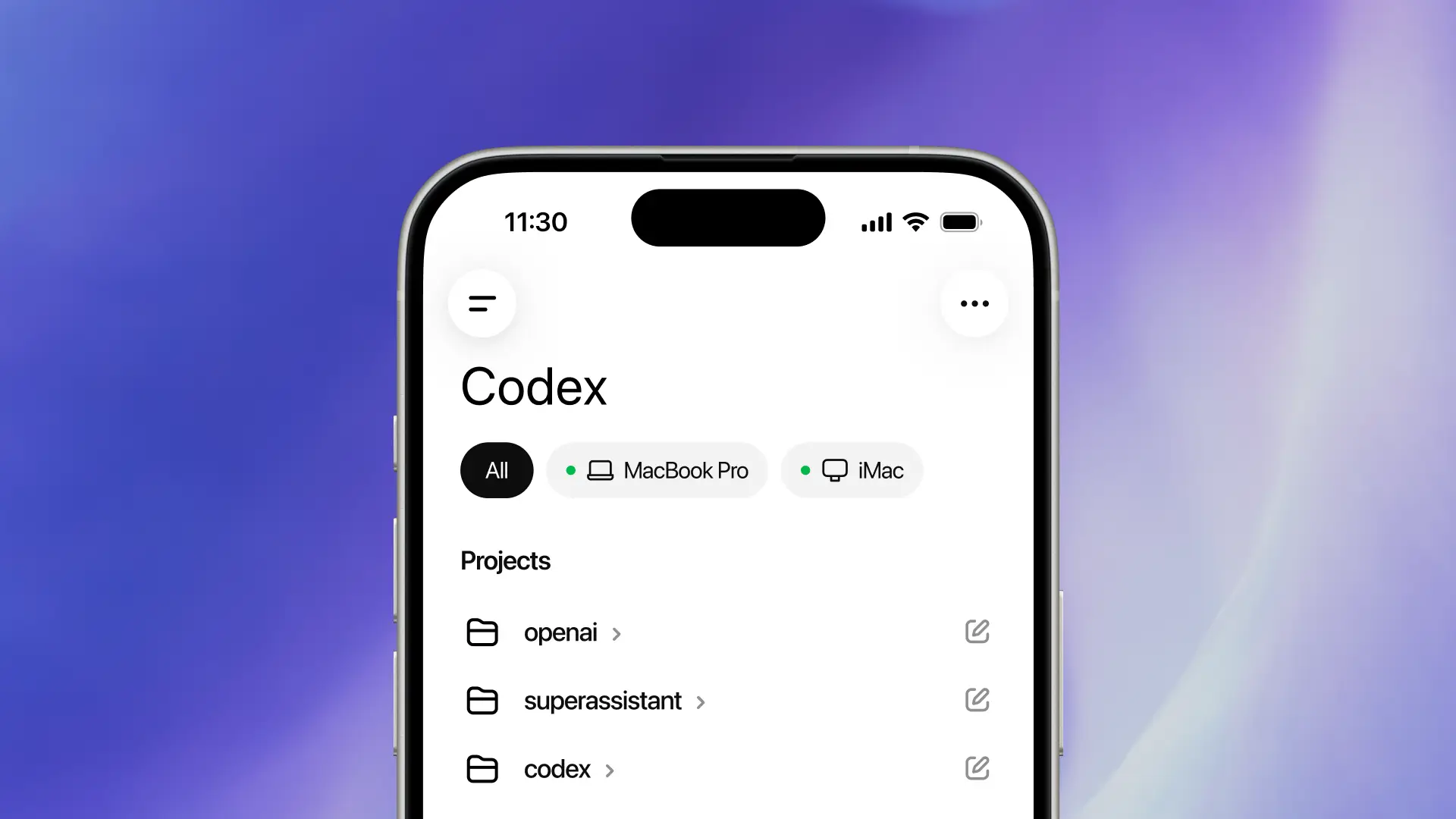
OpenAI has pushed Codex further out of the desktop and into everyday developer life. The new Codex mobile app experience, now in preview inside the ChatGPT mobile app, lets users monitor active coding work, review outputs, approve commands, and continue threads from iOS or Android while Codex keeps running on connected machines. OpenAI says the mobile release is available across all plans, including Free and Go, and it is currently tied to connected macOS hosts, with Windows support coming soon.
The timing matters. OpenAI is not treating the Codex mobile app as a simple remote-control add-on. Instead, the company is positioning it as a full mobile collaboration layer for agentic coding, where developers can stay involved while the system works through long-running tasks in the background. That shift reflects a broader industry race to make AI coding tools more useful outside a laptop lid, not just inside a code editor.
What OpenAI Actually Launched
OpenAI’s announcement is more substantial than “you can now check Codex on your phone.” According to the company, Codex in the ChatGPT mobile app can load the live state of a connected environment, including project context, approvals, plugins, screenshots, terminal output, diffs, and test results. Users can start or continue threads, answer questions, change direction, approve actions, review what Codex found, or move across connected hosts without stepping away from the work. That matters because it changes the workflow from passive monitoring to active steering. In OpenAI’s framing, the Codex mobile app is not just for checking whether a task is done. It is meant to let developers intervene when judgment is needed, unblock a task when it gets stuck, and keep a project moving even when they are away from their desk. The company even describes real-world use cases such as starting a bug investigation while commuting or approving a refactor path from the phone.
The feature also comes with a practical constraint that is worth noting for anyone planning to rely on it: remote access depends on a connected host that stays awake, online, and running Codex. OpenAI says setup begins in the Codex app on the host and continues in ChatGPT after scanning a QR code. In other words, this is mobile control layered on top of a desktop or remote coding environment, not a standalone phone-native IDE. OpenAI has also been building toward this release step by step. TechCrunch notes that last month the company enabled Codex to run in the background on desktop environments, and earlier this month it introduced a Chrome extension for live browser sessions. The Codex mobile app therefore looks like part of a broader push to make Codex more persistent, more autonomous, and more available across different surfaces where developer work happens.
Why The Codex Mobile App Matters For Developers
For developers, the most valuable feature may not be convenience. It may be continuity. Long-running coding tasks often stall because a human needs to answer one question, choose between two paths, or approve a command before work can continue. OpenAI is trying to remove that friction by letting the developer step in from a phone at the exact moment when input is needed. That is a meaningful product design choice because it reduces interruption without removing human oversight. This is also part of a larger shift in how people will interact with agentic tools. The Codex mobile app experience assumes that a task may span hours, not minutes. Rather than forcing a developer to sit in front of a machine to keep things moving, OpenAI wants the user to maintain momentum from wherever they happen to be. That is a subtle but important move, because it turns AI coding from a desk-bound activity into a distributed workflow.
OpenAI is clearly betting that developers will value this kind of control. The company says more than 4 million people now use Codex every week, which gives the mobile rollout a large possible audience from day one. If that usage base carries over to mobile, the Codex mobile app could become a default way for teams to stay connected to code generation, review, and approval cycles outside normal work hours. There is also a trust component. By showing screenshots, terminal output, diffs, and test results in real time, the mobile experience gives users more visibility into what the system is doing. That is important in a category where automation is powerful but still risky. Developers generally want speed, but they also want to know what changed, why it changed, and what needs approval before code moves forward. The Codex mobile app is designed around that balance.
The Competitive Pressure Behind OpenAI’s Move
OpenAI’s launch does not exist in a vacuum. TechCrunch explicitly frames the update as part of the tense competition between OpenAI and Anthropic over which agentic coding tool becomes the most widely used. The article points out that Anthropic released a similar remote-monitoring feature called Remote Control in February, which allows users to monitor Claude Code from afar. That competitive context helps explain why the Codex mobile app release feels so strategic. OpenAI is not only trying to match a rival feature. It is trying to define the expectation for what a serious AI coding assistant should be able to do across devices. If a coding agent can run in the background, accept remote direction, and surface actionable context on a phone, then mobility becomes part of the product’s core identity rather than a bonus feature.
This also suggests that the real competition is moving beyond model quality alone. Better code generation still matters, but the winning product may be the one that best blends autonomy, control, and accessibility. The company that makes the least painful workflow may end up winning the most loyal users. In that sense, the Codex mobile app is as much about product ergonomics as it is about AI capability. OpenAI’s release notes reinforce that the company sees this as an important platform update rather than a minor experiment. The official notes describe the feature as “Codex remote access from the ChatGPT mobile app,” and confirm that the mobile experience is rolling out on iOS and Android across all plans, including Free and Go, in supported regions. That breadth of access may help OpenAI push adoption faster than a paid-only preview would.
What Comes Next For Codex
The biggest unanswered question is whether the Codex mobile app becomes a genuinely indispensable part of developer workflow or just a useful companion for edge cases. For now, the answer will depend on how well the mobile experience handles real-world task handoffs, how reliable the host connection remains, and whether developers trust the system enough to approve work from a phone without second-guessing every action. OpenAI’s rollout suggests that the company sees Codex becoming more ambient and more persistent over time. The product already runs in desktop environments, can work in live browser sessions through a Chrome extension, and now extends into mobile. That progression points toward a future where Codex is not a place you open once, but a workflow layer that follows the developer across devices. For now, the message is clear. OpenAI wants Codex to be available when the work is happening, not just when the developer is sitting at a keyboard. The Codex mobile app is the clearest expression yet of that strategy, and it shows how quickly AI coding tools are evolving from experimental assistants into operational infrastructure.
Read More