





 Tuesday, 29-09-26








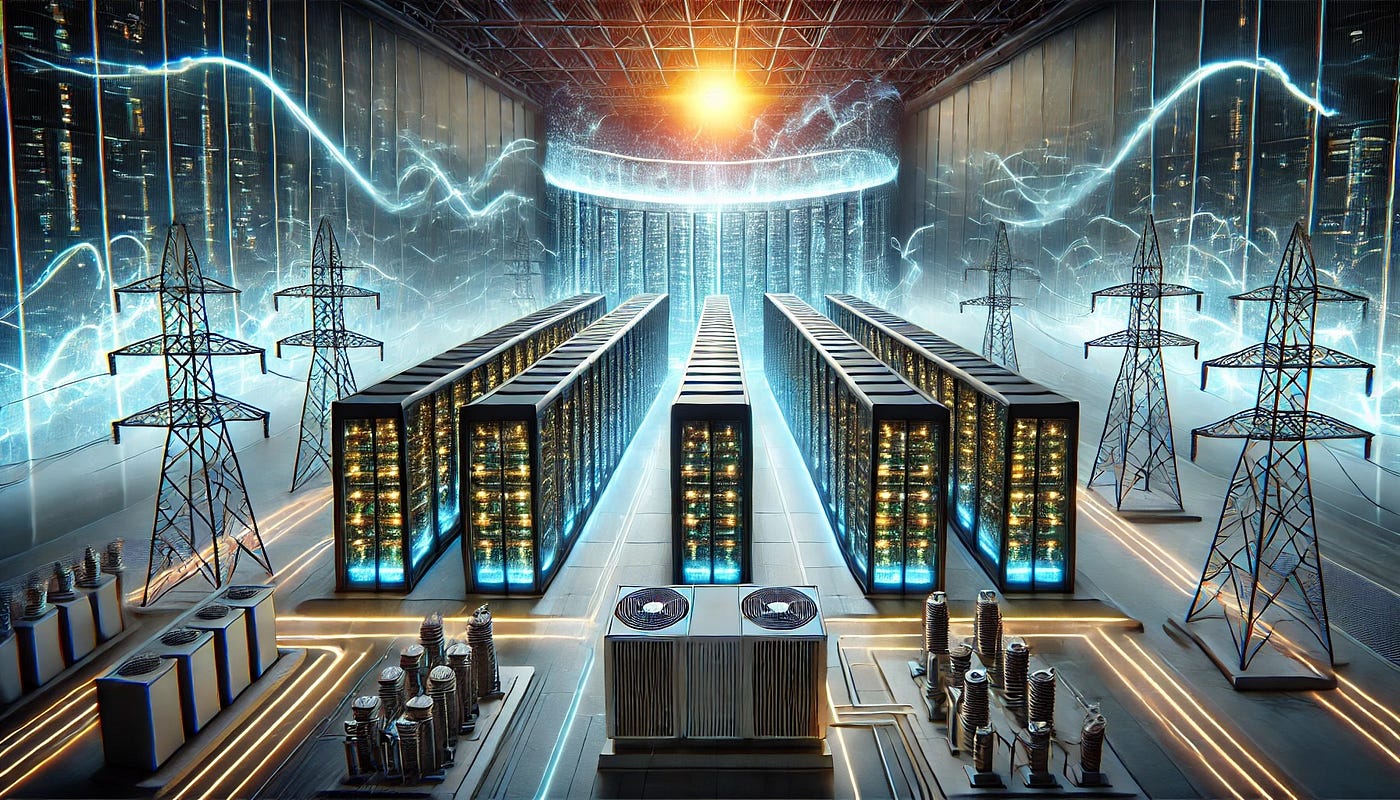
The artificial intelligence boom has captured global attention, attracting billions of dollars in venture capital and reshaping industries at an unprecedented pace. Yet beneath the surface of this rapid expansion lies a less visible but equally critical opportunity. Increasingly, experts argue that AI Energy Investment may be the most strategic and lucrative play in the entire AI ecosystem.
While most investors focus on software, models, and applications, the infrastructure required to power AI is becoming a defining constraint. Data centers, cloud computing facilities, and high performance chips all demand enormous amounts of electricity. As AI adoption accelerates, the pressure on global energy systems is intensifying.
This dynamic is shifting the narrative. Instead of viewing AI purely as a software revolution, the market is beginning to recognize it as an energy intensive transformation. In this context, AI Energy Investment is not just complementary to AI growth. It is foundational.
The Growing Energy Demand Behind AI Expansion
Artificial intelligence systems require vast computational resources. Training large scale models involves processing massive datasets through complex neural networks, often running on specialized hardware such as GPUs and AI accelerators. This process consumes significant amounts of electricity.
As AI applications become more widespread, the energy demand extends beyond training. Inference workloads, where models are deployed to serve users in real time, also require continuous computational power. This means that energy consumption is not a one time cost but an ongoing operational requirement.
The rise of hyperscale data centers is a direct reflection of this trend. These facilities are designed to handle enormous workloads, but they also require stable and reliable energy supplies. In many regions, existing power grids are already struggling to keep up with demand.
This is where AI Energy Investment becomes critical. Without sufficient energy infrastructure, the growth of AI could face significant bottlenecks. Investors are beginning to understand that supporting energy capacity is essential to sustaining the broader AI ecosystem.
Moreover, the environmental impact of increased energy consumption cannot be ignored. As companies face pressure to reduce carbon emissions, the need for sustainable energy solutions becomes even more urgent. This further strengthens the case for AI Energy Investment in renewable and low carbon technologies.
Why Energy Tech Is Becoming the Best AI Investment
The idea that energy could be the best investment in AI may seem counterintuitive at first. After all, the excitement around AI has largely centered on software innovations and breakthrough applications. However, a closer look reveals that energy is the limiting factor that underpins all of these advancements.
One of the key advantages of AI Energy Investment is its alignment with long term trends. The demand for electricity is expected to grow significantly in the coming decades, driven not only by AI but also by electrification in transportation and industry. This creates a strong and sustained market for energy solutions.
Additionally, energy infrastructure tends to offer more predictable returns compared to software startups. While AI companies can experience rapid growth, they also face high competition and market volatility. In contrast, energy projects often benefit from stable demand and long term contracts.
Another factor is the increasing integration of technology into energy systems. Innovations such as smart grids, energy storage, and advanced materials are transforming how energy is produced and distributed. This convergence of AI and energy creates new opportunities for investors.
For example, AI can be used to optimize energy consumption in data centers, improving efficiency and reducing costs. At the same time, energy investments can support the expansion of AI capabilities. This symbiotic relationship reinforces the importance of AI Energy Investment.
The Role of Renewable Energy in AI Infrastructure
As the demand for energy grows, the focus is shifting toward sustainable solutions. Renewable energy sources such as solar, wind, and hydroelectric power are becoming increasingly important in meeting the needs of AI infrastructure.
Many technology companies are already investing heavily in renewable energy to power their operations. This is driven by both economic and environmental considerations. Renewable energy can offer cost advantages over time, especially as technology improves and production scales.
Energy storage is another critical component. Since renewable sources are often intermittent, storing excess energy for later use is essential to ensuring reliability. Advances in battery technology and other storage solutions are making this more feasible.
In this context, AI Energy Investment is not limited to generation. It also includes storage, distribution, and efficiency improvements. Each of these areas plays a vital role in creating a resilient energy ecosystem that can support AI growth.
The transition to renewable energy also has broader implications. It can help reduce carbon emissions, improve energy security, and create new economic opportunities. For investors, this adds an additional layer of value to AI Energy Investment.
Challenges Facing AI Energy Investment
Despite its potential, AI Energy Investment is not without challenges. One of the main issues is the complexity of energy projects. Building infrastructure such as power plants and transmission networks requires significant capital, regulatory approvals, and long development timelines.
Another challenge is the variability of energy markets. Prices can fluctuate based on factors such as supply and demand, geopolitical events, and policy changes. This can introduce uncertainty for investors.
There is also the question of technological risk. While many energy technologies show promise, not all of them will achieve commercial success. Investors must carefully evaluate which innovations have the potential to scale.
Regulation is another important factor. Energy is a highly regulated sector, and policies can vary significantly between regions. Navigating these regulations requires expertise and can impact the viability of projects.
Finally, there is the issue of coordination. Ensuring that energy supply keeps pace with AI demand requires collaboration between multiple stakeholders, including governments, utilities, and technology companies. Without effective coordination, gaps could emerge that slow down progress.
The Future of AI Energy Investment in a Data Driven World
Looking ahead, the importance of AI Energy Investment is only expected to grow. As AI becomes more integrated into everyday life, the demand for computational power and energy will continue to rise.
One of the key trends to watch is the development of new energy technologies. Innovations such as advanced nuclear power, including small modular reactors, and experimental approaches like fusion could play a significant role in the future energy mix.
At the same time, improvements in efficiency will be crucial. Reducing the energy consumption of AI systems can help mitigate some of the challenges associated with growth. This includes optimizing algorithms, improving hardware design, and enhancing data center operations.
Another important aspect is geographic diversification. Different regions have varying energy resources and infrastructure capabilities. Identifying locations that can support large scale AI operations will be a key consideration for companies and investors.
The convergence of AI and energy also opens up new business models. Companies that can integrate these domains effectively may gain a competitive advantage. This could include firms that develop energy efficient AI solutions or those that provide integrated energy and computing services.
Ultimately, AI Energy Investment represents a shift in how we think about technology and infrastructure. It highlights the interconnected nature of modern innovation, where advances in one field depend on progress in another.
Conclusion
The rapid growth of artificial intelligence is transforming the global economy, but it is also creating new challenges that must be addressed. Among these, energy stands out as a critical factor that will determine the trajectory of AI development.
AI Energy Investment offers a compelling opportunity to address this challenge while generating long term value. By focusing on the infrastructure that powers AI, investors can position themselves at the foundation of the next technological revolution.
As the market continues to evolve, the relationship between AI and energy will become increasingly important. Those who recognize this connection early and invest accordingly may be best positioned to benefit from the opportunities ahead.
Read More