





 Wednesday, 10-06-26








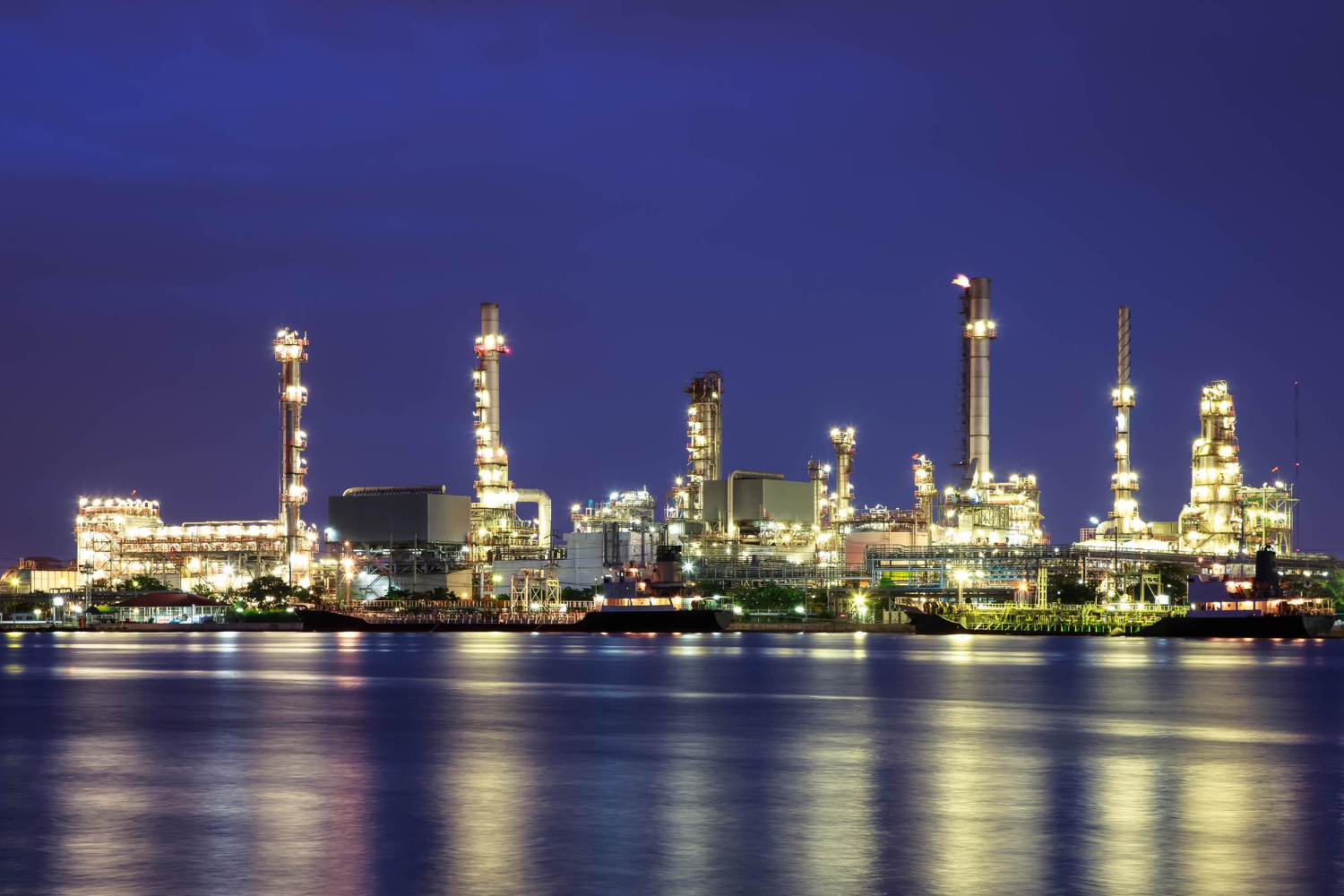
Southeast Asia is expected to experience warmer-than-usual temperatures during the early summer months, which could increase electricity demand and place pressure on regional power grids (09/03).
According to the Asean Specialised Meteorological Centre, temperatures across most maritime and mainland Southeast Asia are forecast to be above average for the March–April–May period.
The seasonal outlook, released on Friday, indicates that the hotter conditions will affect a region with more than 500 million people.
Middle East War Disrupts Energy Supply to the Region
The forecast comes as the US-Israeli war against Iran disrupts transportation and production across the Middle East, pushing energy prices higher.
The conflict has tightened energy supplies and raised concerns about fuel availability in Southeast Asia, where electricity generation depends heavily on fossil fuels.
A prolonged disruption could threaten power generation in April and May, when temperatures in the region often reach very high levels.
Southeast Asian Countries Turn to LNG Spot Market
Some gas importers in Southeast Asia have begun seeking liquefied natural gas cargoes on the spot market after a major supply disruption.
Qatar halted operations at its largest LNG export facility last week because of the war.
As a result, Vietnam and Thailand are seeking LNG shipments for March and April, while Thailand has adjusted its procurement plan to include three spot cargoes during those months.
Higher Energy Prices and Limited Gas Supply
The weather outlook indicates an 80% to 100% chance of above-normal temperatures in Indonesia and Malaysia during the three-month period.
The heat is expected to first appear in these two countries before spreading to much of mainland Southeast Asia in the following months.
Parts of Thailand and northern Vietnam are also expected to face high temperatures, while smaller areas such as southeastern Vietnam, Cambodia, and parts of the Philippines may see near-normal conditions.
In Singapore, the Energy Market Authority said power prices may increase in the second quarter because the country sourced more than 40% of its LNG from Qatar last year.
Asian spot prices for LNG doubled last week and remain high, while buyers in Southeast Asia compete with other importers in Asia and Europe for limited gas supplies.
PHOTO: FREEPIK
This article was created with AI assistance.
We make every effort to ensure the accuracy of our content, some information may be incorrect or outdated. Please let us know of any corrections at [email protected].
Read More