





 Wednesday, 03-06-26








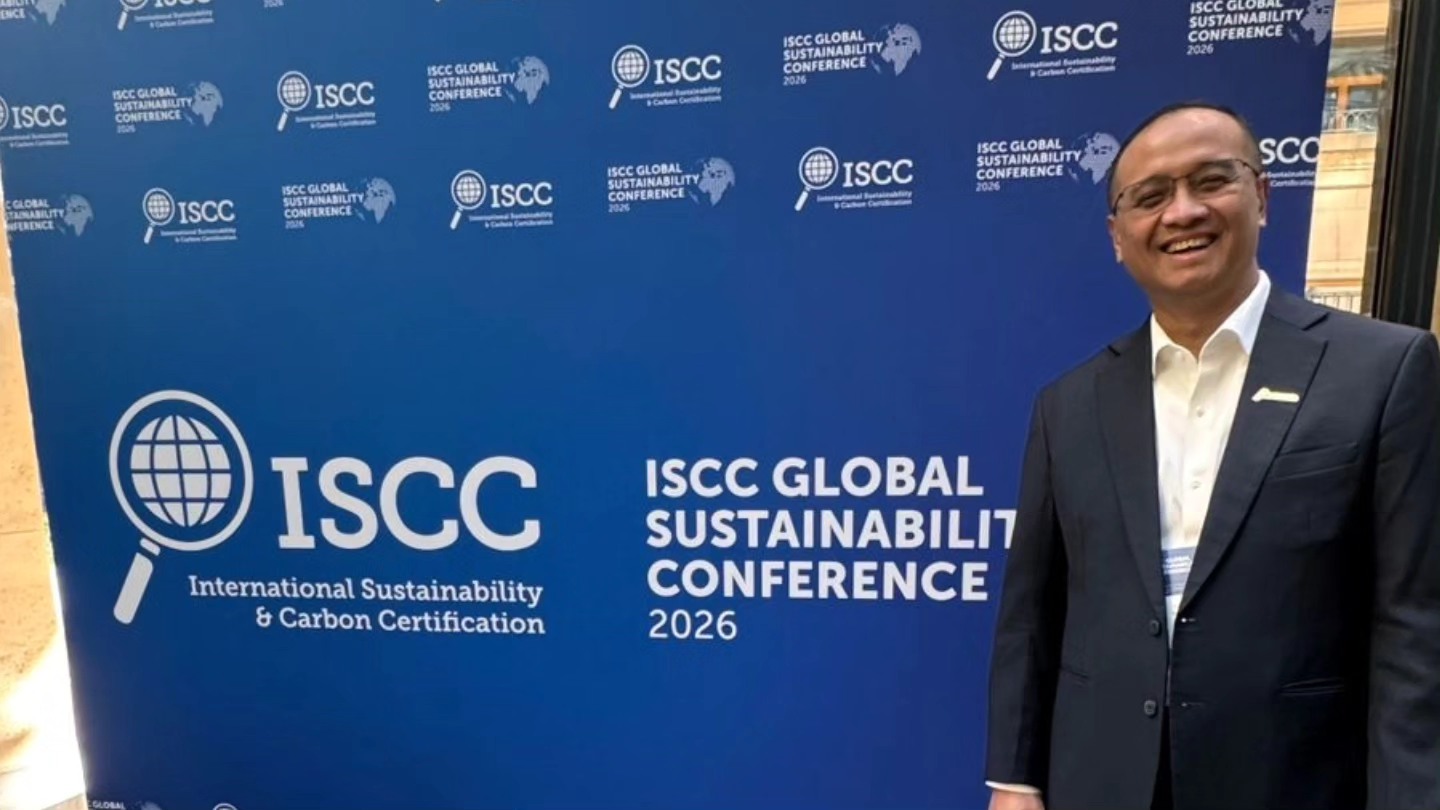
The push to establish a globally recognized Sustainable Aviation Fuel Ecosystem marks a decisive step in Indonesia’s broader energy transition agenda. As air travel rebounds and decarbonization targets tighten, aviation has emerged as one of the most challenging sectors to electrify. Sustainable aviation fuel, widely known as SAF, offers one of the most practical pathways to reducing emissions in the near to medium term.
In Indonesia, state energy company Pertamina is taking a central role in shaping a Sustainable Aviation Fuel Ecosystem that meets international verification standards. The strategy goes beyond production capacity. It encompasses feedstock sustainability, lifecycle emissions accounting, certification mechanisms, and integration with global aviation markets. The ambition is clear. Indonesia does not merely want to produce SAF. It aims to build a Sustainable Aviation Fuel Ecosystem that is credible, traceable, and aligned with global carbon reduction frameworks.
Why A Verified Sustainable Aviation Fuel Ecosystem Matters
A Sustainable Aviation Fuel Ecosystem cannot function effectively without robust certification. Airlines, regulators, and international aviation bodies require assurance that SAF delivers measurable emissions reductions compared to conventional jet fuel. Without credible verification, market acceptance remains limited. Global aviation frameworks increasingly rely on lifecycle analysis to evaluate carbon intensity. This means emissions are calculated from feedstock cultivation and processing to final combustion. For Indonesia, ensuring that its Sustainable Aviation Fuel Ecosystem complies with internationally recognized sustainability standards is critical for export competitiveness and domestic airline adoption.
Certification systems such as international sustainability and carbon schemes provide third party validation. These frameworks assess feedstock origin, land use impacts, and greenhouse gas reduction performance. A verified Sustainable Aviation Fuel Ecosystem strengthens confidence among global buyers and positions Indonesia as a reliable supplier. Moreover, global verification enhances access to carbon markets. Airlines operating under international carbon offset and reduction mechanisms may only count SAF usage toward emissions reduction targets if the fuel meets strict sustainability criteria. Therefore, a verified ecosystem is not simply a technical requirement. It is a commercial necessity.
Pertamina’s Strategic Role In Ecosystem Development
As the leading energy enterprise in Indonesia, Pertamina is uniquely positioned to anchor the Sustainable Aviation Fuel Ecosystem. Its infrastructure spans refining, distribution, and research capabilities, providing a foundation for scaling SAF production. The company’s strategy includes developing feedstock supply chains that are both sustainable and domestically sourced. Indonesia’s agricultural and biomass potential offers significant raw material availability, including used cooking oil and other bio based inputs. However, feedstock sustainability remains sensitive, particularly in a country where land use change and deforestation have historically drawn international scrutiny.
By embedding global verification standards into the Sustainable Aviation Fuel Ecosystem from the outset, Pertamina aims to address these concerns proactively. Traceability systems, transparent reporting, and third party audits are central components of the approach.
In addition to feedstock assurance, refinery adaptation is essential. Producing SAF often requires upgrading existing facilities or investing in new processing technologies such as hydroprocessed esters and fatty acids pathways. These investments reflect a long term commitment to integrating renewable fuels into mainstream aviation supply chains. Partnerships with airlines, airport operators, and international certification bodies further strengthen the ecosystem. A coordinated approach ensures that production, certification, distribution, and end use align within a single integrated framework.
Aligning With Global Aviation Decarbonization Targets
The aviation industry faces mounting pressure to reduce carbon emissions. International climate commitments have accelerated the search for viable alternatives to fossil based jet fuel. While electric and hydrogen powered aircraft remain under development, SAF provides an immediate emissions reduction pathway compatible with existing aircraft engines. For Indonesia, building a Sustainable Aviation Fuel Ecosystem aligns with its national energy transition roadmap. The country has pledged to lower greenhouse gas emissions and expand renewable energy deployment. SAF development contributes to both objectives by decarbonizing a hard to abate sector.
Global verification strengthens Indonesia’s credibility in climate diplomacy. As countries implement carbon border adjustment mechanisms and tighten sustainability requirements, exporters must demonstrate compliance. A recognized Sustainable Aviation Fuel Ecosystem enhances Indonesia’s position in international negotiations and trade discussions. There is also an economic dimension. Demand for SAF is projected to grow significantly over the next decade as airlines commit to net zero targets. Early movers in certified production stand to capture premium markets. By investing in a verified ecosystem, Indonesia seeks to secure a foothold in a rapidly expanding global industry.
Economic Opportunities And Industrial Transformation
The development of a Sustainable Aviation Fuel Ecosystem extends beyond environmental benefits. It represents an industrial transformation opportunity. Scaling SAF production requires investment in refining technology, logistics, research, and workforce development. This industrial expansion can generate employment across multiple segments, from feedstock collection to advanced biofuel processing. Local communities may benefit from structured biomass supply chains that provide stable income sources.
Furthermore, integrating SAF into Indonesia’s broader energy mix supports diversification. Historically reliant on fossil fuel exports and domestic consumption, the country faces pressure to adapt to shifting global energy demand. Building a Sustainable Aviation Fuel Ecosystem allows Indonesia to remain relevant in a decarbonizing world.
Financial institutions also play a role. Sustainable finance frameworks increasingly prioritize low carbon projects. Verified SAF initiatives may attract green bonds, climate funds, and international investment. Transparent governance and certification reinforce investor confidence.
Challenges And Policy Considerations
Despite the opportunities, establishing a Sustainable Aviation Fuel Ecosystem is complex. Feedstock competition with food supply, land use constraints, and price competitiveness pose real challenges. SAF typically remains more expensive than conventional jet fuel. Bridging this cost gap requires policy support, incentives, or carbon pricing mechanisms. Regulatory clarity is essential. Clear blending mandates, fiscal incentives, and certification guidelines help reduce uncertainty for investors. Without coherent policy signals, scaling production may stall.
International collaboration will also shape the trajectory. Engaging with global aviation bodies ensures that Indonesia’s verification systems remain aligned with evolving standards. As sustainability criteria become more stringent, continuous improvement will be necessary. Technological innovation offers another lever. Advances in feedstock processing efficiency and alternative pathways such as synthetic fuels could enhance competitiveness over time. Research partnerships with universities and international firms may accelerate progress.
Long Term Outlook For Indonesia’s SAF Ambitions
The momentum behind the Sustainable Aviation Fuel Ecosystem signals a strategic pivot in Indonesia’s energy narrative. Rather than being solely a supplier of raw commodities, the country is positioning itself as a producer of advanced renewable fuels aligned with global climate objectives. If executed effectively, the ecosystem could integrate domestic airlines, international carriers, certification bodies, and investors into a cohesive value chain. Such integration enhances resilience and reduces exposure to volatile fossil fuel markets.
The long term success of the Sustainable Aviation Fuel Ecosystem will depend on consistent policy backing, transparent governance, and market alignment. Verification remains the cornerstone. Without globally recognized certification, market access will remain constrained. Indonesia’s approach demonstrates an understanding that sustainability is no longer optional in global trade. It is embedded in procurement decisions, financing structures, and consumer expectations. By embedding verification at the heart of its strategy, the country strengthens both environmental credibility and economic potential.
As aviation transitions toward lower carbon pathways, countries capable of delivering certified SAF at scale will shape the future of flight. Indonesia’s commitment to building a globally verified Sustainable Aviation Fuel Ecosystem represents a calculated step in that direction, balancing climate ambition with industrial strategy.
Read More