





 Wednesday, 03-06-26








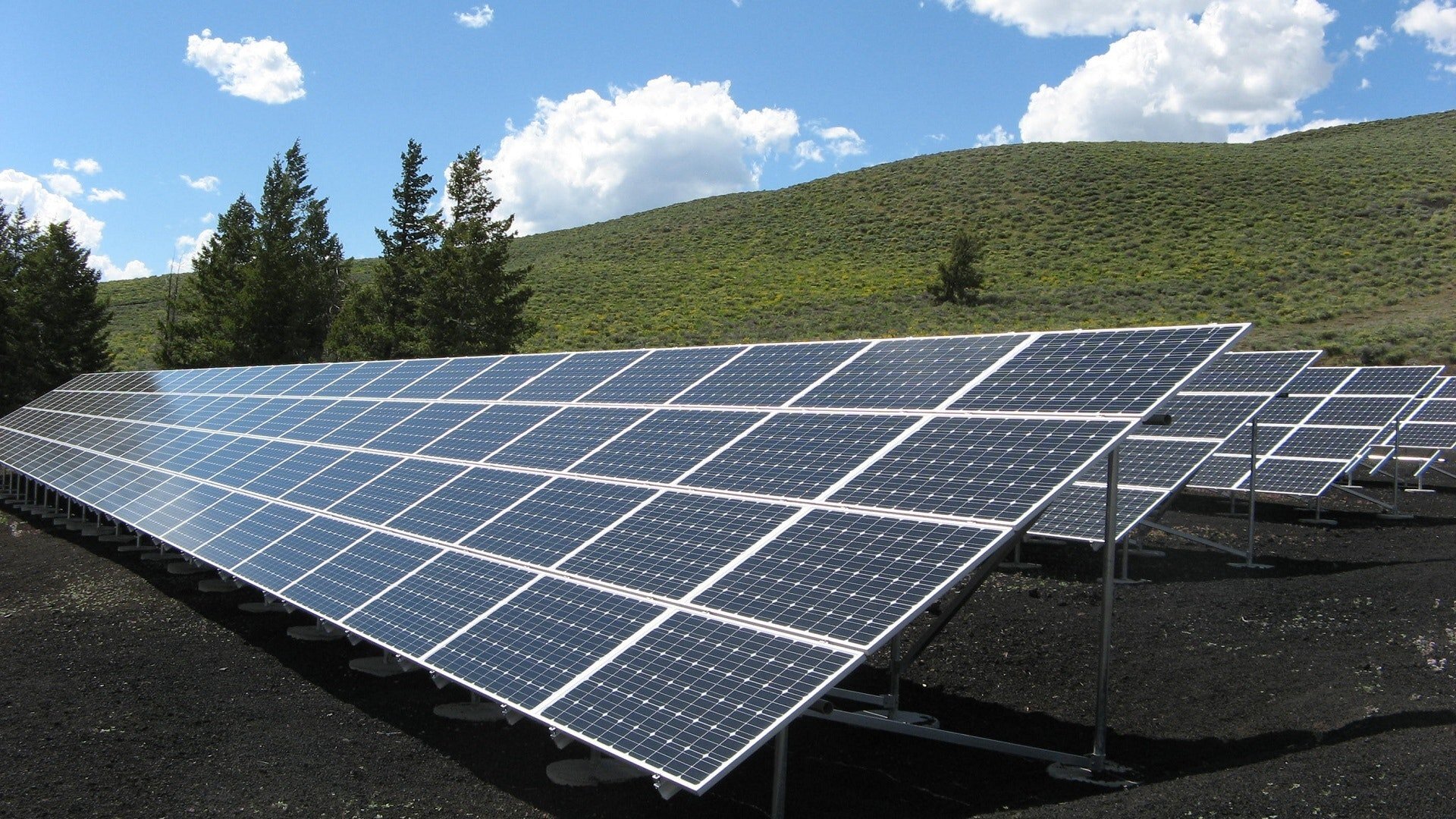
The imposition of the US Solar Panel Tariff of up to 143 percent on Indonesian solar panel exports has sent shockwaves through the renewable energy industry. For manufacturers in Indonesia, the decision represents more than just a trade adjustment. It challenges export competitiveness, investment planning, and the broader ambition to position the country as a regional clean energy manufacturing hub.
The policy move by the United States follows an anti dumping and countervailing duty investigation into solar panel imports from several countries, including Indonesia. US authorities argue that certain imported products benefit from unfair subsidies or are sold below fair market value, harming domestic producers. As a result, the US Solar Panel Tariff has been set at levels that significantly alter pricing dynamics. The implications stretch far beyond bilateral trade flows. The development comes at a sensitive time for the global renewable energy transition, when supply chains are being restructured and governments are balancing decarbonization targets with domestic industrial policy.
Why The US Solar Panel Tariff Reached 143 Percent
The 143 percent figure reflects the outcome of a trade remedy investigation conducted under US trade law. Anti dumping duties are imposed when foreign producers are deemed to sell goods at prices lower than their domestic market value or below production costs. Countervailing duties are applied when governments provide subsidies that give exporters an unfair advantage. In this case, the US Solar Panel Tariff stems from concerns that Indonesian solar manufacturers are connected to supply chains that allegedly benefit from upstream subsidies, particularly in raw materials such as polysilicon and wafer production. Even if final assembly takes place in Indonesia, US regulators may determine that the value chain includes subsidized inputs originating elsewhere.
Trade remedy investigations are highly technical. They involve cost analysis, subsidy calculations, and injury determinations for domestic industry. When US authorities conclude that local manufacturers suffer material injury due to low priced imports, they are legally empowered to impose tariffs at levels that offset calculated dumping margins or subsidy benefits. For Indonesia, the high tariff level raises questions about supply chain transparency and the complexity of global solar manufacturing. Many Southeast Asian producers operate within intricate regional production networks. Components cross borders multiple times before final assembly. As a result, trade enforcement measures often capture broader ecosystems rather than isolated firms. The US Solar Panel Tariff therefore reflects not only price competition concerns, but also broader geopolitical and industrial policy considerations.
Impact On Indonesian Solar Industry And Exports
Indonesia has been gradually building its renewable energy manufacturing capacity. Although it is not yet among the world’s largest solar panel exporters, the government has signaled ambitions to expand downstream processing and increase value added manufacturing. The US Solar Panel Tariff poses an immediate challenge for companies targeting the US market. A tariff of 143 percent effectively eliminates price competitiveness. Importers in the United States are unlikely to absorb such a cost increase. Orders may be redirected to domestic producers or alternative suppliers not subject to similar duties. In the short term, export volumes to the US could decline sharply. This affects revenue projections, factory utilization rates, and potentially employment in export oriented facilities. Investment plans may be delayed as manufacturers reassess market access risks.
However, the broader impact depends on market diversification. If Indonesian producers can pivot to alternative destinations in Asia, the Middle East, or Europe, revenue losses may be partially mitigated. The global demand for solar panels remains robust due to climate commitments and decarbonization policies. Another dimension involves domestic market development. Indonesia itself has ambitious renewable energy targets. Strengthening domestic solar installation programs could provide a buffer against external shocks. By accelerating rooftop solar adoption and utility scale projects, local demand may absorb part of the production capacity affected by the US Solar Panel Tariff. At the policy level, the government may consider engaging in diplomatic consultations or dispute settlement mechanisms under international trade frameworks. Trade tensions often evolve through negotiation, and tariff levels may change following administrative reviews or legal appeals.
Global Renewable Energy Supply Chain Tensions
The US Solar Panel Tariff is not an isolated case. In recent years, the United States has intensified scrutiny of solar imports from multiple countries. The objective is to support domestic clean energy manufacturing while reducing reliance on foreign supply chains perceived as vulnerable or strategically sensitive. This approach aligns with broader industrial policy shifts. The US has introduced incentives to boost domestic renewable energy production, including manufacturing credits and procurement preferences. Tariffs serve as a complementary tool to encourage local investment. For exporting countries like Indonesia, this environment creates both risk and opportunity. On one hand, protectionist measures limit direct access to the US market. On the other hand, supply chain diversification may encourage multinational firms to invest in alternative production bases outside heavily scrutinized regions.
Indonesia’s comparative advantages include abundant labor, growing industrial infrastructure, and access to critical minerals used in renewable technologies. If regulatory clarity and supply chain compliance standards are strengthened, the country may still attract green manufacturing investment despite the US Solar Panel Tariff. The situation also highlights the tension between free trade principles and climate policy objectives. Solar panels are central to global decarbonization efforts. Higher tariffs can increase installation costs in importing countries, potentially slowing renewable energy deployment. Policymakers must balance domestic industrial interests with broader climate commitments.
Strategic Response And Long Term Outlook
The long term impact of the US Solar Panel Tariff will depend on how stakeholders respond. Indonesian manufacturers may need to enhance supply chain documentation, ensure compliance with international trade standards, and diversify input sourcing to reduce exposure to subsidy related allegations. Government agencies can play a role by improving export certification processes and strengthening trade diplomacy. Transparent engagement with US authorities may help clarify calculation methodologies and explore avenues for tariff reassessment. From a strategic standpoint, the episode underscores the importance of domestic market development. Relying heavily on a single export destination exposes industries to regulatory volatility. Expanding renewable energy deployment within Indonesia not only supports climate goals, but also stabilizes demand for locally produced panels.
Furthermore, Indonesia’s broader industrial transformation agenda should incorporate resilience planning. As green technologies become strategic assets, trade disputes are likely to intensify. Building competitive, subsidy compliant, and innovation driven industries will be critical. In the medium term, global solar demand is expected to continue rising. Energy transition momentum remains strong across continents. While the US Solar Panel Tariff creates immediate headwinds, it does not erase structural growth drivers for renewable energy. For Indonesian producers, adaptability will determine survival and success. Companies that can navigate compliance complexities, secure diversified markets, and innovate in efficiency may emerge stronger. The current challenge could accelerate modernization efforts and push the industry toward higher standards. Ultimately, the US Solar Panel Tariff reflects a changing global trade landscape where clean energy technologies are intertwined with strategic economic interests. For Indonesia, the path forward requires coordinated action between industry and policymakers, ensuring that the ambition to become a significant player in the renewable energy value chain remains intact despite external pressures.
Read More