





 Sunday, 13-09-26








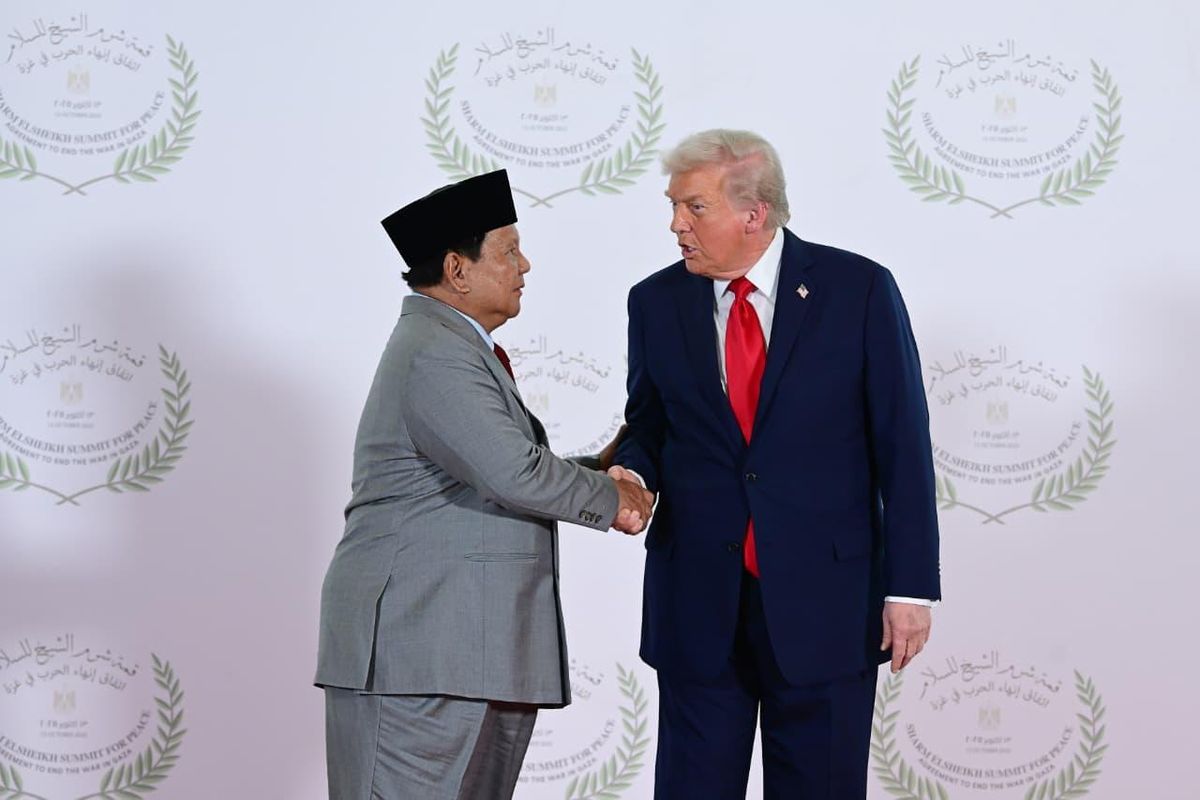
The newly discussed Indonesia US Trade Agreement, which introduces a zero tariff framework on selected goods, has sparked debate over its potential impact on state revenue. While businesses welcome improved market access and cost efficiency, policymakers must weigh the fiscal consequences carefully. For a country like Indonesia, where tax and customs revenue remain a crucial component of the national budget, any structural shift in tariff policy carries both opportunity and risk. At first glance, eliminating tariffs on trade with the United States seems to imply a direct reduction in customs income. However, trade economics is rarely linear. The broader implications of the Indonesia US Trade Agreement depend on trade volume elasticity, domestic tax substitution, and long term economic expansion.
Tariff Elimination and Immediate Fiscal Implications
Tariffs function as both trade policy instruments and revenue generators. In Indonesia’s fiscal structure, import duties and related taxes contribute to overall state income, though not as dominantly as income tax or value added tax. The introduction of zero tariffs under the Indonesia US Trade Agreement therefore raises a critical question: will reduced customs duties translate into meaningful revenue losses?
From a static perspective, lower tariffs reduce per unit tax collection. If import volumes remain constant, total customs revenue from affected goods would decline. However, trade liberalization typically stimulates higher trade flows. Lower import costs can encourage businesses to increase procurement, expand production capacity, and lower consumer prices. In such a scenario, revenue loss from tariffs could be partially offset by higher value added tax collection due to increased domestic consumption. Corporate income tax may also rise if firms expand profit margins through cheaper imported inputs. Thus, the net fiscal impact of the Indonesia US Trade Agreement depends heavily on how responsive the private sector is to tariff reduction.
Another consideration involves trade composition. If zero tariffs apply to intermediate goods that enhance domestic manufacturing competitiveness, export performance may improve. Stronger exports could generate higher corporate earnings and increase income based tax revenue streams. Therefore, the fiscal story is broader than customs receipts alone.
Trade Expansion Versus Revenue Substitution
Economic modeling often shows that free trade agreements can generate dynamic gains through expanded production, investment inflows, and productivity improvements. The Indonesia US Trade Agreement has the potential to attract US companies seeking to diversify supply chains in Southeast Asia. With improved market certainty, foreign direct investment may increase in sectors linked to bilateral trade.
Higher investment typically translates into job creation. More employment supports personal income tax and consumption tax growth. Over time, this expansionary effect can compensate for initial tariff losses. However, such outcomes are not automatic. The magnitude of benefits depends on domestic readiness, regulatory clarity, and industrial competitiveness. If local industries are unable to compete with cheaper imports, production displacement may occur. This could reduce corporate tax bases and weaken employment growth, creating fiscal pressure rather than relief.
Policymakers must also examine the elasticity of import demand. If US goods are highly substitutable with products from other countries, the trade shift may be limited. In that case, tariff removal would simply reallocate sourcing without significantly increasing overall import volumes, limiting offsetting gains. The Indonesia US Trade Agreement must therefore be assessed not just as a customs policy shift, but as part of a broader structural transformation strategy. Fiscal resilience depends on how effectively the government leverages expanded trade into broader economic multipliers.
Strategic Positioning in Bilateral Economic Relations
Beyond immediate fiscal arithmetic, the Indonesia US Trade Agreement holds geopolitical and strategic economic implications. Deepened economic ties with the United States can strengthen Indonesia’s bargaining power in global trade forums and reduce overreliance on specific trading partners. Diversified export markets improve macroeconomic stability. When global demand fluctuates, a broader trade network helps cushion external shocks. Stable export earnings contribute indirectly to stable tax revenues and currency strength.
Furthermore, integration with US markets may require regulatory alignment and improved governance standards. Enhanced compliance frameworks can strengthen tax administration and reduce leakages. If managed effectively, institutional improvements linked to the Indonesia US Trade Agreement could indirectly increase state revenue efficiency. The agreement may also encourage modernization of customs systems, digitalization of trade documentation, and stricter enforcement of origin rules. Such reforms often improve transparency and reduce smuggling or under invoicing practices, protecting existing revenue streams.
Balancing Short Term Losses with Long Term Gains
The fiscal debate surrounding the Indonesia US Trade Agreement ultimately hinges on time horizon. In the short term, customs receipts from affected goods are likely to decline. This creates budgetary considerations, particularly if the government has already projected specific revenue targets. However, public finance strategy is rarely designed around short term fluctuations alone. Governments frequently trade immediate revenue streams for broader economic expansion. If zero tariffs enhance competitiveness, attract capital, and expand production capacity, the tax base may grow substantially over the medium term.
Economic diversification is another critical dimension. Indonesia has long sought to move up the value chain, reducing dependency on raw commodity exports. Access to US markets under favorable tariff conditions could support higher value manufacturing and technology driven sectors. These industries typically generate stronger and more sustainable tax contributions. Nevertheless, policymakers must prepare mitigation strategies. Revenue substitution through domestic tax reform, improved compliance, and efficiency gains can soften the transition. Strengthening value added tax collection and expanding the formal sector remain essential to offset customs declines. Transparency in fiscal communication is equally important. Clear projections and scenario analysis help maintain investor confidence. Markets respond not only to policy changes, but also to how credibly governments manage transitions.
Evaluating the Net Fiscal Outcome
To determine whether the Indonesia US Trade Agreement benefits or harms state revenue, analysts must consider multiple variables simultaneously: trade elasticity, sectoral competitiveness, investment inflows, tax administration efficiency, and macroeconomic stability.
If trade volumes increase significantly, corporate profits rise, and employment expands, total tax revenue may grow despite lower tariffs. Conversely, if imports displace domestic production without stimulating investment or exports, fiscal pressure could intensify.
Evidence from previous trade agreements globally suggests that dynamic effects often outweigh static losses, but only when supported by structural reform and industrial readiness. Indonesia’s ability to capitalize on the agreement will depend on coordinated policy across trade, industry, and finance ministries, including the Ministry of Finance.
Ultimately, the Indonesia US Trade Agreement should be viewed as an instrument within a broader development strategy. Zero tariffs alone do not guarantee growth or fiscal strength. They create conditions that must be strategically managed. For Indonesia, the challenge lies in transforming tariff concessions into competitive advantage. If domestic industries adapt, expand, and integrate into global value chains, the agreement could strengthen long term revenue sustainability. If not, the fiscal impact may lean negative. The policy decision therefore reflects a calculated risk. In an era of global supply chain realignment and rising protectionism, strategic openness may offer more durable gains than cautious isolation. The real fiscal outcome will emerge not from the tariff rate itself, but from how effectively Indonesia converts expanded access into measurable economic performance.
Read More