





 Wednesday, 03-06-26








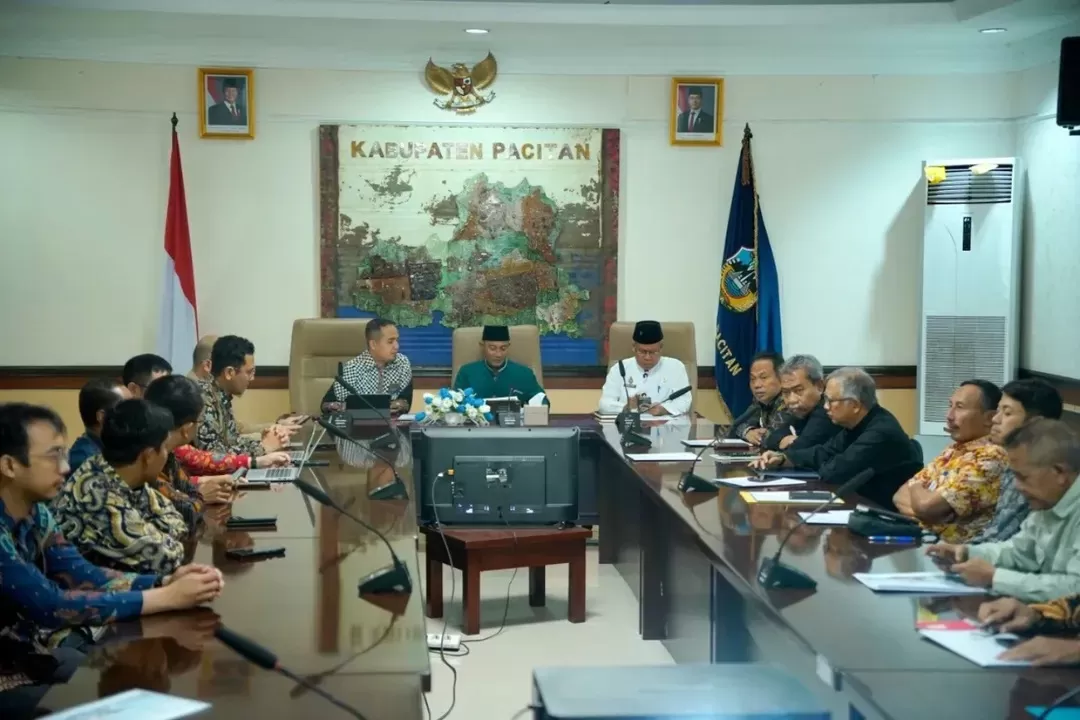
Indonesia’s energy transition strategy has entered a new phase with the development of the Pacitan pumped storage hydropower project. Spearheaded by PLN, the 1000 megawatt facility in Pacitan, East Java, is designed to enhance grid stability while supporting the integration of renewable energy into the national power system. As Southeast Asia’s largest economy accelerates its decarbonization roadmap, large scale energy storage has become essential. The Pacitan pumped storage hydropower project represents one of the most significant infrastructure investments aimed at balancing intermittent renewable generation with reliable electricity supply. The initiative is not only about adding generation capacity. It addresses one of the most complex technical challenges of the energy transition: how to maintain system stability while expanding solar and wind penetration.
Why Pacitan Pumped Storage Hydropower Matters For Grid Stability
Indonesia’s electricity demand continues to grow alongside industrialization, urban expansion, and digital infrastructure development. At the same time, the country is increasing the share of renewable energy in its power mix. Solar and wind energy are inherently variable. Output fluctuates depending on weather conditions and time of day. Without adequate storage, high renewable penetration can strain grid stability, leading to frequency imbalances or curtailment of clean power.
The Pacitan pumped storage hydropower project addresses this challenge by functioning as a large scale battery. During periods of excess electricity generation, water is pumped from a lower reservoir to a higher reservoir. When electricity demand peaks, the stored water is released back through turbines to generate power. This mechanism provides rapid response capacity, enabling PLN to stabilize voltage and frequency across the Java Bali grid. With 1000 megawatts of capacity, the Pacitan pumped storage hydropower facility will play a critical role in supporting renewable energy integration while reducing reliance on fossil fuel based peaker plants.
By investing in pumped storage, PLN demonstrates a strategic understanding that energy transition requires not only clean generation but also robust system flexibility.
Technical Overview Of The 1000 MW Facility
Pumped storage hydropower is one of the most mature and reliable forms of large scale energy storage globally. Unlike battery systems that rely on electrochemical processes, pumped storage uses gravitational potential energy, making it suitable for multi decade operational lifespans. The Pacitan pumped storage hydropower project will feature two reservoirs at different elevations connected by tunnels and turbines. When surplus power is available, typically from coal, hydro, or solar during low demand periods, pumps transfer water uphill. During high demand periods, water flows downward to produce electricity.
This closed loop system enhances efficiency and minimizes water loss. With a planned capacity of 1000 megawatts, the facility ranks among the largest storage projects in Indonesia. From an engineering perspective, such projects require detailed geological surveys, hydrological assessments, and environmental impact evaluations. The Pacitan region offers topographical conditions suitable for reservoir construction and elevation differentials necessary for effective energy storage.
In addition to grid stabilization, pumped storage supports black start capability, allowing the grid to restart in case of widespread outages. This feature strengthens national energy security. The Pacitan pumped storage hydropower development also aligns with PLN’s long term Electricity Supply Business Plan, which prioritizes renewable expansion and system resilience.
Supporting Indonesia’s Energy Transition Roadmap
Indonesia has committed to increasing the share of renewable energy in its electricity mix and reducing carbon emissions. However, coal still dominates the power sector. Transitioning away from coal requires not only new renewable plants but also infrastructure capable of managing variability. The Pacitan pumped storage hydropower project forms part of a broader strategy to modernize the Java Bali grid, which serves the country’s economic heartland. As solar installations grow across industrial estates and commercial rooftops, storage capacity becomes indispensable.
Pumped storage enables PLN to absorb surplus solar generation during daylight hours and redistribute it during evening peaks. This flexibility reduces curtailment risk and enhances overall system efficiency. Moreover, large storage capacity lowers the need to operate coal fired plants at partial load solely for grid balancing. Over time, this could contribute to emission reductions and improved operational economics. The Pacitan pumped storage hydropower investment therefore supports both environmental objectives and cost optimization.
Economic And Regional Development Impact
Infrastructure projects of this scale generate significant economic spillovers. Construction activities stimulate local employment, supply chain demand, and regional investment flows. In Pacitan, the project is expected to enhance local infrastructure, including access roads and supporting facilities. Beyond construction, long term operational roles will contribute to regional income.
For PLN, the Pacitan pumped storage hydropower initiative strengthens its position as a key driver of Indonesia’s energy transformation. By investing in flexible generation assets, the utility improves reliability metrics and investor confidence.
International financiers increasingly evaluate grid modernization projects based on their contribution to decarbonization and resilience. Large scale pumped storage projects are often viewed favorably because they enable renewable scaling without compromising reliability.
Environmental Considerations And Sustainability
While pumped storage hydropower is considered a clean technology, environmental management remains critical. Reservoir construction can impact ecosystems and local communities if not carefully planned. Comprehensive environmental assessments are essential to minimize land use disruption, protect biodiversity, and manage water resources responsibly. Sustainable project design includes reforestation efforts, sediment control, and community engagement programs.
The Pacitan pumped storage hydropower project is positioned as a strategic component of Indonesia’s green transition. Balancing infrastructure development with environmental stewardship will determine its long term success. Compared to fossil fuel alternatives, pumped storage produces no direct greenhouse gas emissions during operation. Its long lifespan and high efficiency make it one of the most durable energy storage solutions available.
The Strategic Role Of Storage In Indonesia’s Future Grid
Energy transition narratives often focus on renewable capacity additions. However, storage capacity is equally vital. Without adequate flexibility, renewable growth can plateau due to grid constraints. The Pacitan pumped storage hydropower project signals that Indonesia is entering a more sophisticated phase of energy planning. Storage is no longer an afterthought. It is integrated into national strategy.
As electric vehicles, digital infrastructure, and industrial electrification expand, demand patterns will become more complex. Large scale storage assets will provide the buffering capacity necessary to maintain stability.
Looking ahead, additional pumped storage sites may be identified across Indonesia’s mountainous regions. Combined with battery energy storage systems and smart grid technology, pumped storage will form a hybrid resilience network. The Pacitan pumped storage hydropower initiative thus represents more than a single project. It reflects a systemic approach to modernizing Indonesia’s power sector.
The development of the Pacitan pumped storage hydropower facility marks a milestone in Indonesia’s clean energy journey. With 1000 megawatts of storage capacity, the project strengthens grid stability, supports renewable integration, and enhances national energy security. By investing in large scale storage infrastructure, PLN is addressing one of the core technical barriers to decarbonization. The Pacitan pumped storage hydropower project demonstrates that energy transition is not solely about building new renewable plants. It is about building a flexible, resilient, and future ready power system. As Indonesia advances its sustainability ambitions, strategic projects like Pacitan will play a central role in ensuring that clean energy growth remains reliable, affordable, and scalable.
Read More