





 Sunday, 31-05-26








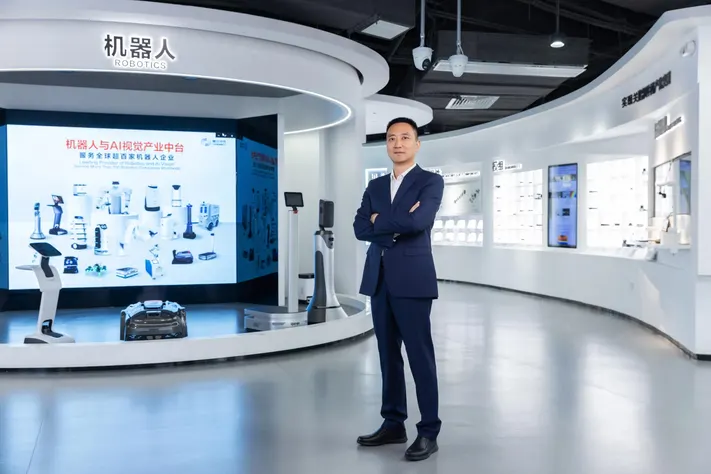
The rise of a robotic eyes billionaire underscores how hardware innovation, artificial intelligence, and industrial automation are converging to create extraordinary wealth in China’s technology sector. In an era often dominated by internet platforms and software unicorns, this story highlights a different path to success, one built on precision engineering and machine vision systems.
The entrepreneur at the center of this development is a Chinese engineer who transformed a niche segment of optical components into a thriving enterprise supplying robotic eyes for industrial and commercial applications. As demand for automation accelerates worldwide, the company’s growth has propelled its founder into billionaire status.
The robotic eyes billionaire phenomenon reflects a broader shift in global technology trends. Vision systems that allow machines to see, interpret, and respond to their surroundings have become critical across manufacturing, logistics, healthcare, and robotics.
China’s rapid push into high end manufacturing and intelligent automation has created fertile ground for companies specializing in optical sensors and machine vision hardware. The journey from engineer to robotic eyes billionaire illustrates how technical depth and market timing can intersect powerfully.
The Technology Behind Robotic Eyes
At the core of the robotic eyes billionaire story lies advanced machine vision technology. Robotic eyes refer to sophisticated optical systems that enable robots and automated equipment to detect objects, measure dimensions, and perform quality inspections.
These systems combine high resolution cameras, precision lenses, image processing chips, and artificial intelligence algorithms. Together, they allow machines to interpret visual data in real time.
Industrial applications range from identifying defects on assembly lines to guiding robotic arms in electronics manufacturing. In warehouses, robotic eyes assist automated sorting systems. In autonomous vehicles, similar vision components contribute to navigation and safety.
The rise of artificial intelligence has amplified the value of hardware that captures accurate visual input. AI models depend on high quality data streams. Without reliable sensors, even the most advanced algorithms cannot perform effectively.
The robotic eyes billionaire capitalized on this interdependence between hardware and software. By focusing on optical engineering excellence, the company positioned itself as a critical supplier in the automation value chain.
From Engineer To Robotic Eyes Billionaire
Unlike many technology founders who emerge from internet startups, the robotic eyes billionaire began with a background rooted in engineering and product development. Early career experience in optics and imaging laid the foundation for identifying gaps in the market.
As China accelerated its industrial modernization, manufacturers sought to reduce labor costs and enhance precision. Machine vision systems became indispensable for maintaining quality control and boosting productivity.
Recognizing this demand, the entrepreneur established a company specializing in robotic eyes tailored for domestic and international clients. The firm emphasized research and development, investing heavily in proprietary imaging technology.
Over time, consistent product improvement and expanding customer relationships drove revenue growth. As automation expanded beyond factories into service robotics and smart devices, demand for high performance vision systems surged.
The company’s valuation climbed accordingly, elevating its founder into the ranks of a robotic eyes billionaire.
This trajectory illustrates a different narrative of wealth creation in China’s tech ecosystem. Rather than relying on consumer internet scale, the fortune was built on industrial transformation.
China’s Push For Automation And Self Reliance
The robotic eyes billionaire story also aligns with China’s strategic emphasis on technological self reliance. National policies have encouraged domestic innovation in semiconductors, robotics, and advanced manufacturing equipment.
Machine vision systems are integral to this ecosystem. High quality robotic eyes reduce dependence on foreign suppliers and strengthen local supply chains.
As trade tensions and geopolitical uncertainties reshape global technology flows, domestic champions in critical hardware segments gain strategic importance.
The robotic eyes billionaire benefited from this macro environment. Supportive industrial policy, expanding factory automation, and rising export demand created a robust growth platform.
Moreover, as labor costs increase and demographic shifts affect workforce availability, automation becomes more economically attractive. Vision enabled robots can operate continuously, enhance safety, and improve consistency.
China’s ambition to lead in smart manufacturing has therefore amplified opportunities for companies specializing in robotic eyes.
Expanding Applications Beyond Factories
While industrial automation remains central, the robotic eyes billionaire’s company has also expanded into emerging sectors.
Autonomous vehicles rely on integrated vision systems for navigation and obstacle detection. Service robots in retail and healthcare require accurate object recognition. Even consumer electronics incorporate advanced imaging components.
This diversification reduces reliance on any single industry cycle. As artificial intelligence permeates more aspects of daily life, demand for reliable visual sensors continues to grow.
The robotic eyes billionaire model demonstrates how hardware firms can scale by aligning with multiple AI driven markets.
Unlike software platforms that may face rapid commoditization, high precision optical engineering presents significant technical barriers to entry. This provides competitive insulation and supports premium pricing.
Financial Growth And Market Valuation
Public market recognition has played a role in cementing the robotic eyes billionaire status. As investors seek exposure to tangible AI infrastructure, companies producing enabling technologies attract attention.
Strong revenue growth, expanding margins, and rising global orders have contributed to elevated valuations.
Machine vision is no longer perceived as a niche industrial tool. It is now viewed as foundational infrastructure for the AI era.
The robotic eyes billionaire case signals investor confidence in hardware driven innovation. While AI software captures headlines, the sensors and components that feed data into those systems are equally vital.
Financial markets increasingly differentiate between speculative hype and durable technological demand. Companies supplying critical inputs to automation often fall into the latter category.
Challenges In A Competitive Landscape
Despite remarkable success, the path forward for any robotic eyes billionaire is not without risk.
Competition in optics and semiconductor manufacturing remains intense. International rivals continue investing heavily in research and development. Technological cycles can shift rapidly, requiring constant innovation.
Supply chain vulnerabilities, particularly in advanced chips and materials, pose potential constraints.
Moreover, global expansion exposes companies to regulatory scrutiny and export controls. Navigating these complexities requires strategic agility.
Yet, the underlying demand for automation appears resilient. As industries worldwide pursue efficiency and digital transformation, robotic eyes will remain central to that evolution.
A Symbol Of Hardware Innovation Renaissance
The emergence of a robotic eyes billionaire symbolizes a broader renaissance in hardware innovation.
For years, the technology narrative centered on software applications and social media platforms. Today, attention is returning to physical systems that power intelligent machines.
Robotics, electric vehicles, smart factories, and AI driven devices all depend on reliable visual input. Companies that master this domain occupy a crucial position in the value chain.
The robotic eyes billionaire story highlights how deep technical expertise can translate into extraordinary economic value when aligned with macro trends.
It also underscores the importance of long term investment in research and engineering. Breakthroughs in optical design and image processing rarely happen overnight. They require sustained commitment and iterative improvement.
As automation continues to reshape industries, the role of robotic eyes will only expand.
From factory floors to autonomous mobility and healthcare diagnostics, vision systems enable machines to interpret the world around them.
The journey from engineer to robotic eyes billionaire illustrates how innovation at the component level can ripple outward, transforming industries and generating immense wealth.
In an era defined by artificial intelligence and robotics, those who help machines see may ultimately shape how the future unfolds.
Read More