





 Sunday, 31-05-26








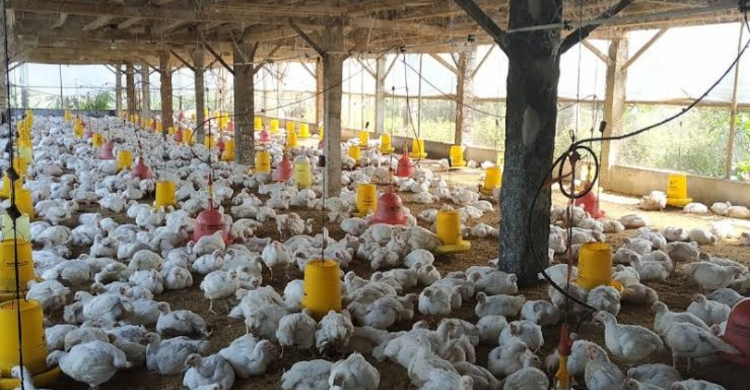
Indonesia imports chicken GPS in a move valued at Rp336.88 billion, marking a significant development in the country’s poultry supply chain strategy. The government confirmed that 580,000 grand parent stock birds were brought in from the United States to reinforce domestic breeding capacity and stabilize long term chicken meat production.
The decision underscores Indonesia’s efforts to safeguard food security, maintain poultry production efficiency, and manage price stability in a sector that plays a vital role in national protein consumption. While imports in the agricultural sector often trigger debate, officials argue that this particular measure is strategic rather than reactive.
The move to import grand parent stock, commonly referred to as GPS in poultry terminology, is not about increasing short term chicken meat supply. Instead, it focuses on strengthening the breeding pyramid that supports millions of day old chicks and commercial broilers across the country.
Why Indonesia Imports Chicken GPS From The United States
When Indonesia imports chicken GPS, it is investing at the very top of the poultry production pyramid. Grand parent stock represents elite breeding birds that produce parent stock, which in turn produce broilers for meat consumption.
In simple terms, without sufficient GPS, the entire downstream poultry ecosystem faces structural limitations. The 580,000 birds imported are expected to significantly expand domestic breeding capacity in the coming production cycles.
The United States remains one of the world’s largest suppliers of high quality poultry genetics. American breeding companies have long dominated the global market for grand parent stock due to their advanced genetic selection, disease control standards, and biosecurity protocols.
For Indonesia, sourcing from the United States ensures access to internationally recognized breeding lines. This supports improvements in feed conversion ratios, growth rates, and overall production efficiency.
The Rp336.88 billion value attached to this import highlights the scale of the investment. Rather than being a routine purchase, it signals a calculated step to maintain long term resilience in the poultry sector.
Officials emphasized that Indonesia imports chicken GPS not because of a supply shortage crisis, but to maintain the balance between domestic production capacity and rising consumption demand.
Strengthening Food Security And Price Stability
Chicken meat is one of Indonesia’s most affordable and widely consumed protein sources. Compared to beef, it is more accessible to middle and lower income households. As a result, fluctuations in poultry production can directly influence food inflation.
By choosing to import grand parent stock, policymakers are aiming to secure the upstream segment of the supply chain. A stable breeding base ensures consistent production of day old chicks, which later translates into stable broiler supply in traditional markets and modern retail.
Indonesia imports chicken GPS as part of a broader food security strategy. In recent years, authorities have taken steps to manage agricultural imports more carefully, balancing domestic self sufficiency goals with pragmatic supply chain considerations.
Unlike importing frozen chicken meat, which could potentially disrupt local farmers, importing GPS supports domestic production. The birds will be bred locally, and the entire downstream value chain, from hatcheries to feed mills to farmers, will benefit from increased capacity.
This distinction is crucial. The move does not replace local production. Instead, it reinforces it.
Moreover, the poultry sector has faced periodic oversupply and undersupply cycles. Such volatility often leads to sharp price swings, harming both farmers and consumers. A stronger breeding foundation may help smooth these cycles over time.
Economic Impact On The Poultry Industry
The decision that Indonesia imports chicken GPS worth Rp336.88 billion carries implications for multiple stakeholders across the poultry ecosystem.
Large integrated poultry companies are likely to benefit from improved genetic stock and expanded breeding programs. With stronger grand parent stock capacity, companies can optimize production planning and reduce reliance on future imports.
Small and medium scale farmers may also gain indirect benefits. Increased availability of quality parent stock can improve access to healthier day old chicks, ultimately raising farm productivity.
Feed producers, veterinary service providers, and logistics operators will experience ripple effects as breeding expansion drives greater activity across the supply chain.
Indonesia imports chicken GPS at a time when the poultry industry is navigating challenges such as feed cost volatility, global grain price fluctuations, and biosecurity risks. By investing upstream, authorities are signaling a long term orientation rather than short term intervention.
The Rp336.88 billion figure also reflects confidence in sustained domestic demand. Indonesia’s population continues to grow, and urbanization trends are shifting dietary patterns toward higher protein intake.
Chicken meat remains central to that shift.
Balancing Import Policy With Domestic Interests
Agricultural imports are often politically sensitive in Indonesia. The government has consistently promoted self sufficiency in key commodities. Therefore, the announcement that Indonesia imports chicken GPS requires careful framing.
Officials have clarified that this import does not undermine domestic breeders. Instead, it complements existing breeding operations by ensuring genetic diversity and production sustainability.
In the poultry sector, complete isolation from global genetic sources can reduce competitiveness. Breeding innovation is highly concentrated among a few multinational firms with decades of research and development investment.
By accessing these genetics, Indonesia ensures that its poultry industry remains aligned with international standards. This is particularly important if Indonesia aims to expand poultry exports in the future.
Furthermore, biosecurity remains a critical consideration. Importing live breeding stock requires stringent quarantine and health protocols. The process is heavily regulated to prevent disease introduction.
Indonesia imports chicken GPS under strict supervision, reflecting awareness of avian influenza risks and other potential threats. The long term objective is to integrate advanced genetics without compromising animal health standards.
Long Term Outlook For Indonesia’s Poultry Sector
The poultry industry is one of Indonesia’s most dynamic agricultural segments. It contributes significantly to rural employment and national food supply.
The decision that Indonesia imports chicken GPS may shape production capacity for years to come. Grand parent stock typically influences multiple production cycles, meaning today’s investment will generate impact well into the future.
As consumption patterns evolve and middle class demand grows, maintaining stable protein supply will remain a policy priority. The Rp336.88 billion investment in grand parent stock suggests that authorities are thinking beyond immediate price stabilization.
Instead of responding to short term shortages, the strategy appears focused on reinforcing structural capacity.
Indonesia imports chicken GPS at a time when global food systems face uncertainty from climate change, trade tensions, and supply chain disruptions. Diversifying genetic sources and strengthening domestic breeding may help cushion against external shocks.
For consumers, the ultimate goal is stable and affordable chicken prices. For producers, it is predictable input supply and sustainable margins. For policymakers, it is food security without over dependence on imported meat.
The balance is delicate, but this move reflects a calculated attempt to secure the upstream backbone of the poultry sector.
In the broader economic context, the Rp336.88 billion allocation underscores how agricultural investment remains central to Indonesia’s development agenda. While technology and digital industries often dominate headlines, food production continues to be a strategic pillar.
Indonesia imports chicken GPS not as a stopgap measure, but as part of a long term framework to ensure resilience, competitiveness, and stability in one of its most important food industries.
Read More