





 Friday, 29-05-26








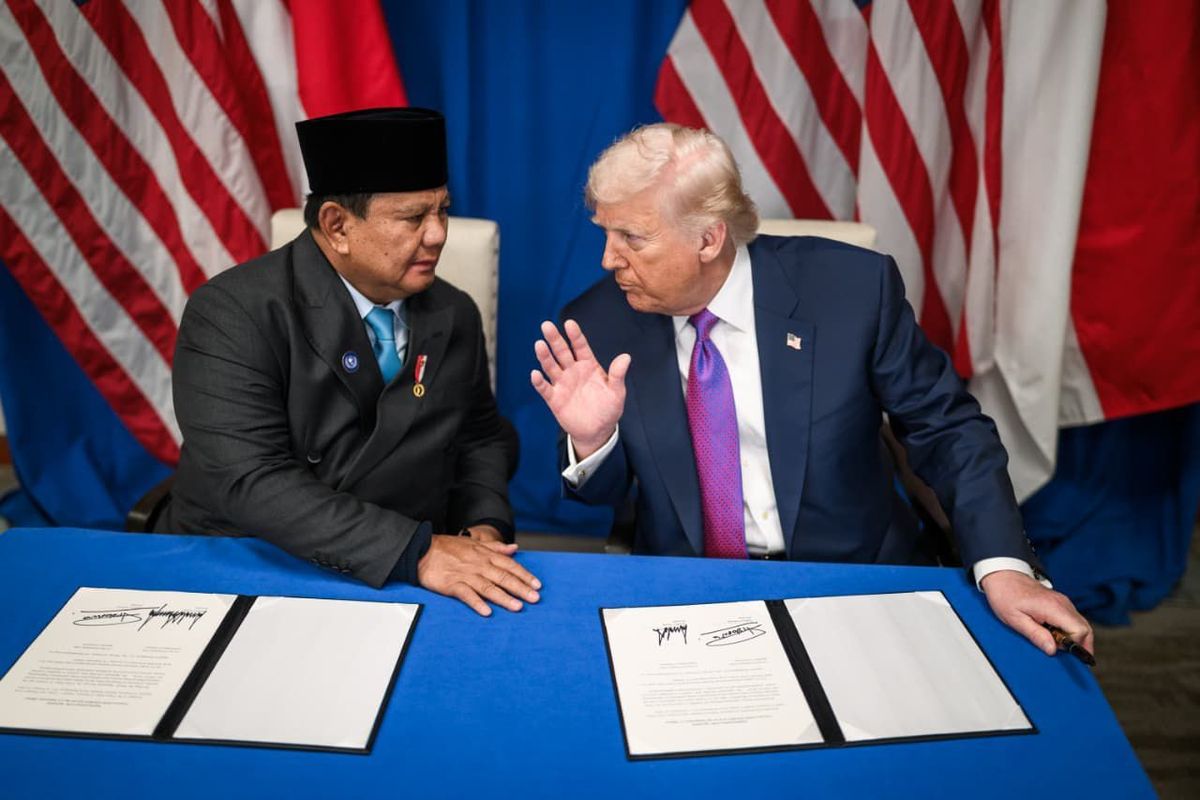
The Indonesia US data transfer agreement has triggered fresh discussions about digital sovereignty, cross border governance, and the strategic role of data centers in Southeast Asia’s largest economy. While some critics initially raised concerns about potential risks to national control over sensitive information, policymakers and digital infrastructure stakeholders argue that the framework does not compromise Indonesia’s sovereignty.
Instead, they contend that the Indonesia US data transfer agreement reflects a necessary adjustment to the realities of global digital trade, cloud computing, and cross border data flows that underpin today’s interconnected economy.
Indonesia, with its rapidly expanding digital ecosystem and surging data center investments, sits at a critical juncture. The country must balance openness to global partnerships with firm regulatory safeguards that protect domestic interests. The debate surrounding this agreement illustrates how complex that balancing act has become.
Why The Indonesia US Data Transfer Agreement Matters
Cross border data flows are now a backbone of global commerce. Financial transactions, e commerce operations, artificial intelligence training, cloud storage, and digital services all rely on seamless movement of data across jurisdictions. For Indonesia, which is pushing to become a digital powerhouse in Southeast Asia, the stakes are significant.
The Indonesia US data transfer agreement is part of broader cooperation aimed at ensuring that personal and commercial data can move legally and securely between both countries. Officials have emphasized that the agreement does not override Indonesia’s domestic data protection laws, particularly the Personal Data Protection Law that came into force to strengthen regulatory oversight.
Experts argue that the agreement functions as a framework for legal certainty. It clarifies how companies operating in both markets can manage data flows while complying with Indonesian regulations. Rather than weakening control, the framework is designed to align standards and ensure enforcement mechanisms remain intact.
In practical terms, this is critical for multinational firms, cloud service providers, fintech platforms, and technology startups that depend on transnational data exchange. Without clear rules, businesses face legal ambiguity, compliance risks, and potential disruptions.
For Indonesia’s digital economy, projected to exceed hundreds of billions of dollars in value within this decade, such clarity is essential.
Addressing Concerns Over Digital Sovereignty
One of the primary criticisms surrounding the Indonesia US data transfer agreement is the fear that allowing data transfers could erode Indonesia’s digital sovereignty. Digital sovereignty refers to a country’s ability to regulate and control data generated within its territory.
However, policymakers and industry analysts emphasize that sovereignty does not necessarily mean complete data localization. Modern digital governance frameworks often permit cross border transfers under strict conditions, provided there are safeguards related to privacy, security, and accountability.
Indonesia’s regulatory architecture still requires companies to comply with domestic data protection standards. Sensitive and strategic data categories remain subject to local requirements. The agreement does not nullify these obligations. Instead, it creates interoperable standards so that transfers to the United States occur within a regulated and transparent environment.
Moreover, Indonesia continues to strengthen its supervisory institutions. Regulatory bodies retain enforcement authority over violations, regardless of whether data is processed domestically or overseas.
From a strategic standpoint, complete isolation from global data ecosystems could hamper Indonesia’s competitiveness. International cloud providers, artificial intelligence firms, and multinational corporations often operate through distributed data infrastructure. Blocking cross border data flows could deter investment and limit innovation.
Therefore, the Indonesia US data transfer agreement is positioned by supporters as a pragmatic compromise. It preserves regulatory authority while enabling participation in global digital value chains.
The Strategic Role Of Data Centers In Indonesia
The debate also touches on Indonesia’s ambitions to become a regional data center hub. Over the past few years, major global technology firms have invested heavily in local data infrastructure. Hyperscale facilities have emerged in and around Jakarta, supported by rising demand from e commerce platforms, streaming services, financial institutions, and enterprise cloud users.
Indonesia’s government has consistently promoted domestic data center development to ensure economic value creation, job growth, and technological capability. Critics feared that a cross border data arrangement might undermine this strategy.
However, analysts argue that the Indonesia US data transfer agreement does not diminish the role of local data centers. On the contrary, Indonesia remains an attractive destination due to its large consumer base, growing digital adoption, and regulatory push for local presence requirements in certain sectors.
Cross border data flows do not automatically translate into offshoring of all processing activities. Many businesses adopt hybrid architectures, where core operations and latency sensitive services remain local, while backup, analytics, or cross regional services utilize global networks.
This hybrid model reinforces the need for robust domestic data infrastructure while maintaining connectivity to international systems. In this context, the agreement could complement Indonesia’s data center ambitions rather than contradict them.
As artificial intelligence and big data analytics expand, demand for scalable infrastructure will intensify. Indonesia’s competitive advantage lies not in isolation, but in offering both strong regulatory protection and seamless global integration.
Legal Certainty And Business Confidence
Another important dimension of the Indonesia US data transfer agreement is investor confidence. Global companies operating in Indonesia require predictable legal frameworks. Unclear rules regarding data transfer can create hesitation in expanding operations or deploying new technologies.
The agreement provides assurance that transfers conducted under the established mechanism comply with both jurisdictions’ standards. This reduces compliance complexity for firms operating across borders.
For sectors such as fintech, health technology, digital banking, and cloud computing, regulatory predictability is a decisive factor. Cross border financial data, for example, often requires secure transmission between headquarters and regional branches. Without formal agreements, businesses may face fragmented compliance burdens.
Indonesia’s effort to formalize this arrangement signals that it seeks to align with global best practices while maintaining sovereign oversight. It also demonstrates recognition that digital trade is inseparable from data mobility.
In Southeast Asia, competition to attract digital investment is intensifying. Countries like Singapore and Malaysia have already positioned themselves as data and cloud hubs. Indonesia, with its vast domestic market, aims to leverage scale while ensuring legal robustness.
Balancing National Interests With Global Integration
The broader narrative around the Indonesia US data transfer agreement reflects a global policy tension. Governments worldwide are grappling with how to safeguard national interests without fragmenting the internet.
Excessive data localization can increase operational costs, reduce efficiency, and slow innovation. At the same time, insufficient oversight can expose citizens to privacy breaches and weaken national control.
Indonesia’s approach appears to pursue middle ground. By maintaining its Personal Data Protection Law and regulatory enforcement powers, the country preserves sovereignty. By entering into structured cross border arrangements, it acknowledges economic realities.
This calibrated strategy could define Indonesia’s digital governance model in the coming years. As artificial intelligence, cloud computing, and cross border e commerce continue to grow, similar agreements may become increasingly necessary.
Ultimately, the Indonesia US data transfer agreement is not merely a bilateral arrangement. It is a signal of Indonesia’s evolving digital maturity. The country is asserting that sovereignty and openness are not mutually exclusive. With strong institutions and clear rules, both can coexist.
For businesses, the message is clear. Indonesia intends to remain open to global digital flows while safeguarding national interests. For policymakers, the challenge will be consistent enforcement and transparent oversight to maintain public trust.
As the digital economy expands, data will remain a strategic asset. How Indonesia governs that asset will shape its competitiveness, resilience, and standing in the global technology landscape.
Read More