





 Sunday, 04-10-26








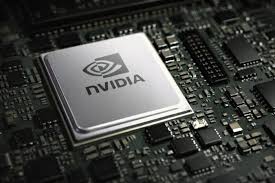
In early 2026, global technology circles were jolted by reports that Nvidia would delay the mass production of its GeForce RTX 60 series graphics cards due to ongoing semiconductor memory shortages. This move represents a significant shift in Nvidia’s product strategy and signals broader challenges within the GPU manufacturing ecosystem. The ramifications extend beyond enthusiast communities into global supply chains, memory markets, and even the competitive landscape for artificial intelligence (AI) hardware. The Nvidia RTX 60 delay chip shortage underscores both the fragility and complexity of modern semiconductor supply dynamics and highlights the rising influence of AI demand on traditional consumer product roadmaps.
This article provides a comprehensive exploration of the causes and consequences of the delay, analyzes the impact on gamers, developers, and competitors, and examines what this shift means for the future of GPU production and the semiconductor industry.
The Root Causes of the Nvidia RTX 60 Delay
The delayed production of the next-generation RTX 60 series GPUs is primarily driven by a global shortage of memory chips, particularly high-bandwidth memory used in both gaming and data center GPUs. These memory chips, such as GDDR7 for gaming GPUs and HBM for AI accelerators, are essential components that Nvidia must secure in large quantities to meet production targets for its full product stack.
The shortage stems from several systemic factors:
- AI Infrastructure Demand Surge: The rapid expansion of AI applications, from training large language models to powering cloud-based inference services, has driven memory chip consumption in data centers to unprecedented levels. High-bandwidth memory (HBM) needed for AI accelerators now competes directly with consumer GPU memory allocations, squeezing supply available for gaming products.
- Supply Chain Constraints: Memory manufacturers like Samsung, Micron, and SK Hynix are operating near capacity, prioritizing high-margin AI memory production, leaving fewer wafers for GDDR7 memory modules used in gaming GPUs.
- Economic Incentives: AI hardware represents a higher revenue segment for Nvidia compared to traditional gaming GPUs, incentivizing the company to allocate scarce memory resources toward AI chips rather than lower-margin consumer products.
The result is a cascading effect on Nvidia’s GPU roadmap: planned refreshes such as the RTX 50 Super series are reportedly delayed or canceled, and the next-generation RTX 60 series—originally expected to begin mass production around late 2027—now faces a projected shift into 2028 or beyond.
Industry and Market Impacts of the Delay
Disruption in the Gaming Hardware Ecosystem
For PC gamers, the Nvidia RTX 60 delay chip shortage means a prolonged wait for next-generation performance improvements. Nvidia’s typical GPU release cadence has historically introduced significant performance jumps every couple of years. This delay marks the first time in decades that Nvidia may not introduce a major new gaming GPU within a calendar year, an unprecedented break from tradition.
This disruption has several implications:
- Extended Product Lifecycles: Current generation GPUs, such as the RTX 50 series, may remain market leaders longer than expected, forcing gamers who seek top performance to hold onto existing hardware.
- Price Inflation: Tight supply and strong demand for existing models can keep prices elevated well above MSRP, making upgrades more expensive for consumers.
- Secondary Market Dynamics: The scarcity of new GPUs could drive higher pricing and scarcity in the second-hand market, as demand outpaces the limited supply of current cards.
Strategic Shifts in Nvidia’s Business Priorities
Nvidia’s decision to prioritize memory allocation for AI-oriented products reflects a broader trend in which data center and AI revenue streams increasingly dominate the company’s financial performance. AI accelerators command significantly higher prices and margins than consumer GPUs, making them more attractive from a business perspective.
By channeling resources toward AI hardware, Nvidia is aligning itself with the most profitable segment of its business. This is not merely a tactical move to navigate memory shortages but also a strategic repositioning that acknowledges the future of computing:
- AI-First Revenue Models: Nvidia’s data center revenues have grown substantially, dwarving the proportion contributed by gaming hardware. This shift has real implications for how the company allocates resources and plans future product development cycles.
- Prioritization of Memory Supply: Chipmakers are increasingly allocating wafer space and memory production to where returns are greatest. In Nvidia’s case, this means favoring AI accelerators that require robust memory configurations and long-term contract commitments over consumer-grade modules.
Broader Semiconductor Supply Chain Challenges
The Nvidia RTX 60 delay chip shortage highlights systemic vulnerabilities in the semiconductor supply chain. The imbalance between memory chip supply and escalating demand for AI and data center applications has revealed structural bottlenecks:
- Production Capacity Constraints: Fabrication plants (fabs) for high-bandwidth memory are limited, and expanding capacity requires substantial investment and lengthy lead times.
- Global Market Dynamics: Memory price fluctuations and supply reallocations can ripple across product categories from PCs to smartphones, gaming consoles, and data centers.
The broader memory shortage has already been linked to rising prices for consumer devices and delays in other tech products, ranging from laptops to gaming consoles. This suggests that the semiconductor industry must adapt to a new era of demand dynamics where AI infrastructure plays a pivotal role in shaping supply priorities.
Potential Opportunities for Competitors
While the Nvidia RTX 60 delay chip shortage presents challenges for Nvidia’s consumer GPU segment, it also creates openings for competitors. AMD and Intel, both of which offer GPU solutions, could potentially capture market share if they can secure memory supplies that Nvidia currently cannot.
For example:
- AMD’s Radeon Series: If AMD can mitigate memory supply constraints or offer competitive performance at accessible price points, it may attract customers seeking alternatives to Nvidia’s delayed products.
- Intel Arc GPUs: Intel’s dedicated GPU products, though not as dominant as Nvidia’s offerings, could become more attractive if slower timelines from Nvidia lead to reduced consumer choice.
These opportunities depend on competitors’ ability to navigate the same memory constraints that Nvidia faces. However, even modest gains in market presence could shift competitive dynamics within the GPU industry.
Consequences for Consumer Behavior and Upgrade Cycles
Consumers now face a more uncertain landscape for PC upgrades:
- Deferred Purchases: Gamers and creators might delay upgrades until the next generation of GPUs becomes available, stretching the life of current hardware.
- Value Propositions: As prices climb due to limited supply, some consumers may shift toward alternatives such as cloud gaming services or GPU rentals rather than purchasing dedicated hardware.
- Expectation Management: The extended absence of new products may change expectations around product cycles. Historically annual or biennial releases may become less predictable.
Navigating a New GPU Reality
The Nvidia RTX 60 delay chip shortage reflects a profound intersection of market forces, shifting demand patterns, and strategic business priorities. Memory shortages caused by an AI-driven semiconductor boom have upended traditional GPU release schedules and forced Nvidia to adapt in ways that reverberate across the entire tech ecosystem.
While this disruption poses challenges for gamers and hardware enthusiasts, it also underscores the evolving landscape where AI infrastructure and memory-intensive computing are becoming the central drivers of technological investment and production. The implications extend far beyond Nvidia’s product lineup, affecting supply chains, competitive dynamics, and consumer behavior in the broader digital economy.
What remains clear is that strategic flexibility will be essential for companies navigating this environment. Whether through innovation in memory technology, supply chain diversification, or new business models that align with AI-powered demand, the semiconductor industry is entering a period of transformation that will define its competitive landscape for years to come.
Read More