





 Friday, 09-10-26








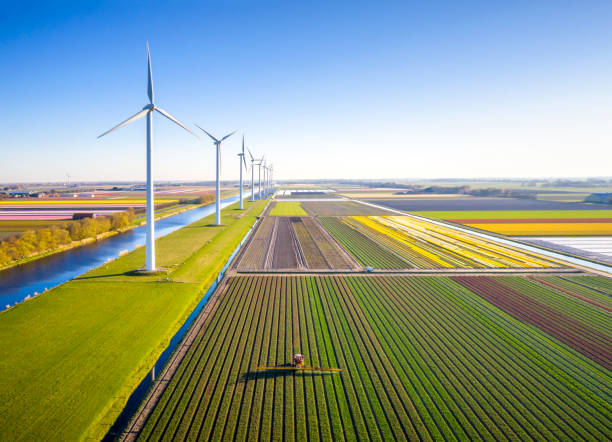
The Netherlands has achieved an extraordinary position in global trade by becoming the world’s Netherlands agricultural exports powerhouse, ranking as the second-largest exporter of agricultural products by value despite its small land area. This achievement reflects a unique combination of innovation, technology adoption, strategic logistics, and integration with global markets. The country’s approach to agriculture goes far beyond traditional farming, encompassing advanced greenhouse systems, research-driven production, and a highly efficient supply chain that integrates with international demand.
At a glance, it may seem counterintuitive that a country roughly the size of the U.S. state of Maryland could compete with agricultural giants like the United States and Brazil. Yet the data speak for themselves: the Netherlands consistently records one of the highest agricultural export values globally, with exports that have surpassed €128 billion as recently estimated, contributing significantly to its overall trade surplus.
A Small Country With Massive Output
The success of Netherlands agricultural exports lies in transforming a land-scarce country into a high-yield agricultural engine. The Netherlands has pioneered intensive greenhouse farming, which produces crops with extraordinary efficiency. These greenhouse complexes leverage advanced LED lighting, climate control systems, and automation to produce large quantities of vegetables, fruits, and flowers throughout the year. These high-tech operations can yield many times more produce per hectare than traditional open-field farming, making every square meter of Dutch farmland count.
Crucially, Dutch agriculture is also highly diversified. Key export categories range from dairy products, eggs, and meat to horticultural products like flowers and ornamental plants. The country’s floriculture sector alone is among the world’s largest, contributing billions of euros in export value annually. This mix of products gives the Netherlands robust exposure to demand across regions, especially within Europe where hunger for high-quality food products remains strong.
Greenhouse technology itself has become a signature of Dutch agriculture. By controlling microclimates within these structures, farmers can optimize water usage, nutrient delivery, and pest control in ways that minimize waste and environmental impact. The integration of robotics and precision agriculture practices ensures that labor is used where it adds the most value, and production remains reliable even in adverse weather conditions.
Innovation and Research Driving Export Competitiveness
Another pillar behind Netherlands agricultural exports is its world-class research and innovation ecosystem. The country is home to Wageningen University & Research, widely regarded as a global leader in agricultural science and technology. The institution collaborates closely with industry players to develop crop varieties that maximize yield, resist disease, and adapt to evolving climatic conditions. This innovation pipeline not only supports domestic producers but also influences global agricultural practices.
Innovation extends beyond seeds and plants to include logistical technology and supply chain optimization. The Netherlands boasts one of the most sophisticated logistics networks in the world, anchored by the Port of Rotterdam and Schiphol Airport’s cargo operations. These hubs enable rapid and efficient export of perishable goods, ensuring that Dutch produce reaches markets in peak condition. Rotterdam, in particular, acts as a regional re-export hub, with a significant share of goods moving onward to neighboring European countries.
The country’s embrace of digital technologies in farming also includes AI-driven crop management systems, automated harvesting robots, and sensor networks that monitor soil and plant health in real time. These technologies help reduce input costs, lower waste, and ensure consistency in output—factors that are crucial when competing in global commodity markets.
Strategic Trade Integration and Market Access
Trade strategy is another cornerstone of the success story behind Netherlands agricultural exports. Dutch producers benefit from the European Union’s single market, which allows tariff-free access to major destinations like Germany, Belgium, France, and the United Kingdom. Germany alone accounts for a substantial share of Dutch agricultural exports, reflecting close geographic and economic integration within the EU.
Beyond the EU, the Netherlands has also built strong trade linkages globally. Its central geographic position and world-class infrastructure make it an ideal gateway for food exports reaching Africa, Asia, and the Middle East. As a result, Dutch agricultural goods are not just distributed regionally but are integrated into global supply chains that span continents.
Moreover, the Netherlands has often positioned itself as a model for sustainable and precision farming, which enhances its reputation and market appeal. International buyers increasingly seek agricultural products that are not only high in quality but also traceable and compliant with stringent environmental standards. The Dutch agricultural sector’s emphasis on sustainability, resource efficiency, and quality control helps it meet these evolving demands.
Economic Impact and Sustainability Challenges
On the economic front, Netherlands agricultural exports contribute a notable share to the national economy. The agricultural sector may represent a smaller percentage of overall GDP compared to industries like high tech or logistics, but its export value disproportionately contributes to trade surpluses and employment. It also supports related sectors such as food processing, logistics, and agritech services.
That said, this export success brings sustainability challenges. Intensive farming and high greenhouse production require significant energy and resource inputs. Water management, carbon emissions, and nutrient runoff remain areas of concern that policymakers and farmers continue to address. The Dutch agricultural model increasingly focuses on circular economy principles, carbon neutrality goals, and precision farming techniques that reduce environmental footprint without compromising productivity.
Moreover, ongoing regulatory changes related to nitrogen emissions and environmental impact have raised concerns among farmers, especially in livestock and greenhouse sectors. Balancing export growth with sustainable land use and climate commitments is a complex policy challenge that requires continued innovation and investment.
Lessons for Other Agriculture-Focused Economies
The Netherlands’ achievement highlights several lessons for other countries looking to expand their own agricultural exports. First, investment in research and innovation can unlock productivity gains that far surpass traditional farming methods. Second, building strong logistics infrastructure is as important as producing high-quality goods. Efficient transport, storage, and distribution networks enable agricultural exports to remain competitive on the global stage.
Third, trade integration through strategic economic partnerships enhances market access and reduces exposure to trade barriers. The Netherlands’ use of the EU single market and its logistics hubs has amplified its reach and efficiency. Finally, focusing on sustainability not only addresses environmental concerns but also meets the rising demand for environmentally responsible agricultural products—a trend increasingly relevant to international consumers.
These elements combined have enabled the Netherlands to punch well above its weight in global agricultural trade, making it a case study in how innovation, strategy, and efficiency can transform a small agricultural sector into a global powerhouse.
The story of Netherlands agricultural exports is one of remarkable achievement rooted in innovation, efficiency, and strategic integration with global markets. By leveraging advanced technology, cutting-edge research, and logistical excellence, the Netherlands has secured its place as the second-largest agricultural exporter in the world. This achievement is not just a testament to Dutch ingenuity but also an example of how a small country can build competitive advantage in a crowded, resource-intensive sector.
As global demand for quality, sustainable agricultural products continues to rise, the Netherlands’ model offers insights that countries and producers around the world are watching closely. The future of agricultural trade may well be shaped by how effectively nations adopt smart farming practices, efficient logistics, and trade policies that respond to evolving global dynamics.
Read More