





 Monday, 12-10-26








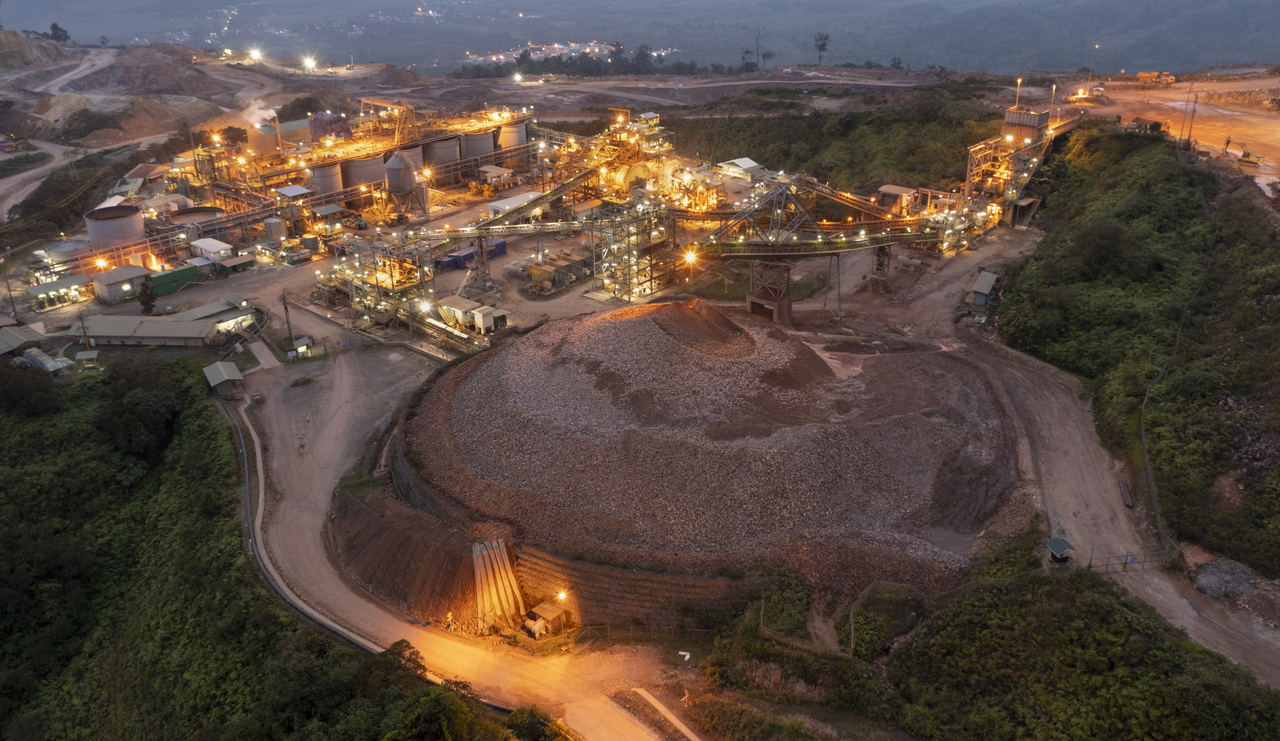
Indonesia is experiencing a pivotal shift in its approach to natural resource management as the state sovereign wealth fund Danantara Indonesia moves to take control of the contentious Martabe gold mine previously operated by PT Agincourt Resources. This development, which has drawn attention from industry watchers, civil society, and investors alike, marks an important moment in the evolving governance of mining, environmental accountability, and the role of state-owned enterprises in strategic sectors. The Agincourt mine takeover could reshape how Indonesia balances economic interests with environmental protection and community well-being.
The controversy surrounding the Agincourt mine’s operation and its subsequent permit revocation arises against the backdrop of severe floods and landslides in northern Sumatra in late 2025. Government investigations suggested that activities by several companies, including those in mining, plantation, and energy sectors, contributed to environmental degradation that worsened the impacts of the natural disaster. Among these, the permit held by PT Agincourt Resources — a gold and silver mining operation in North Sumatra — was revoked, spurring a broader discussion about environmental stewardship and corporate responsibility in Indonesia.
The Context Behind the Agincourt Mine Takeover
The Agincourt mine takeover has not occurred in isolation. Instead, it’s part of a wider government initiative to revoke the operating licenses of companies seen to have violated environmental regulations, particularly in relation to forest use and watershed management. In late January 2026, President Prabowo Subianto ordered the revocation of permits for 28 firms operating across forestry, plantations, mining, and power generation, following a review by an interagency task force. These revocations were linked to allegations of deforestation, illegal encroachment, and environmental harm that aggravated flooding and landslides affecting Aceh, North Sumatra, and West Sumatra provinces.
One of the most prominent entities affected by this crackdown was PT Agincourt Resources, a subsidiary of United Tractors Tbk and part of the Astra International group. Its Martabe gold and silver mine has historically been one of the largest and most productive in Indonesia. The plant’s contribution to the local economy, including jobs and regional development, has been significant, but environmental concerns have also grown louder. Indonesian authorities found sufficient grounds to revoke the mine’s permit amid mounting pressure to hold companies accountable and prevent further ecological degradation.
Following the permit revocation, Danantara Indonesia — the country’s sovereign wealth fund — established a new state-owned company called Perusahaan Mineral Nasional (Perminas) to take over management of the Martabe site. Danantara’s Chief Operating Officer, Dony Oskaria, confirmed that Perminas, which operates directly under Danantara’s umbrella, is being prepared to assume operational control from Agincourt. While precise operational timelines and structural arrangements have not been fully disclosed, the framework for the takeover is in place, reflecting the government’s strategic intent to place this critical asset under state management.
State-Led Resource Governance and Its Implications
The Agincourt mine takeover highlights Indonesia’s broader shifts in natural resource governance. Traditionally, private operators — including multinational corporations and domestic conglomerates — have played leading roles in mining and resource extraction. However, with rising environmental consciousness and a renewed emphasis on sustainable practices, the Indonesian government has indicated a willingness to assert greater control over strategic mineral assets.
Perminas is envisaged not just as a caretaker of Martabe but as a national mineral enterprise with a mandate that might extend to other critical resources, including rare earth elements and other strategic minerals vital for future industrial development. Recent announcements by State Secretary Prasetyo Hadi confirm that the establishment of Perminas was instructed by the highest level of government, driven by the need to strengthen national oversight in the mineral sector and align resource management with environmental and socioeconomic priorities.
This state-led resource governance approach carries several potential benefits. For one, it may enhance compliance with environmental standards and ensure that rehabilitation and restoration commitments are upheld. In cases like Martabe, where environmental concerns have been central to permit revocation decisions, state ownership could provide a clearer mandate and accountability structure for environmental remediation and sustainable mining practices. It could also improve transparency and coordination between regulatory authorities and operational managers, reducing bureaucratic fragmentation that has sometimes hindered enforcement.
Moreover, the establishment of Perminas could act as a platform for broader socioeconomic objectives. By integrating mining operations within a state enterprise framework, the government may facilitate more inclusive benefit-sharing mechanisms, job creation for local communities, and long-term planning that reconciles resource extraction with regional development. Such a model aligns with global trends where governments seek greater leverage over natural resources to secure economic rents while mitigating environmental and social risks.
==> Insert optional quote or local stakeholder perspective if available in original article
Environmental Accountability and Community Concerns
A core driver behind the Agincourt mine takeover was environmental accountability. Civil society groups, environmental advocates, and local communities have long criticized mining practices that they claim contribute to deforestation, watershed disruption, and ecological degradation. The catastrophic floods and landslides that struck Sumatra in late 2025 intensified scrutiny of large land-use operations, particularly extractive industries operating in or near sensitive forest ecosystems.
Environmental groups have called for not only revocations of permits but also comprehensive rehabilitation of damaged landscapes. In related legal actions, the Indonesian Environment Ministry filed a lawsuit seeking substantial financial compensation from Agincourt for alleged environmental damages, including funds earmarked for restoration. Although this lawsuit is distinct from the government’s decision to revoke the mining permit, it underscores the legal and social dimensions of environmental accountability in natural resource governance.
The shift towards state control through Perminas also raises questions about how environmental stewardship will be operationalized. State-owned enterprises can face criticism for prioritizing production or revenue objectives over ecological considerations. However, the current framework suggests that environmental compliance will remain a priority, with Perminas expected to adopt stricter standards and work closely with regulatory bodies to ensure responsible operations.
Economic and Industrial Repercussions
The transition of Martabe’s management from Agincourt to Perminas will have significant economic implications. Martabe is a major gold and silver producer, contributing considerable revenue and supporting regional employment. The shift could impact investment sentiments in Indonesia’s mining sector, signaling both risks and opportunities for private investors.
On one hand, stricter enforcement of environmental regulations and state-led takeovers of strategic assets may heighten policy risk perceptions among foreign and domestic investors. Companies may reassess investment plans in light of evolving governance norms that emphasize environmental compliance and community accountability. This could prompt more cautious approaches or demand higher risk premiums for large projects.
On the other hand, the state’s active role in managing critical mineral assets could stabilize long-term planning, particularly for projects integral to national industrial strategies. Indonesia has ambitioned to become a significant player in global mineral value chains, particularly for minerals essential to emerging technologies and clean energy transitions. By consolidating strategic assets under state-owned frameworks like Perminas, the government might better align resource exploitation with domestic industrial development goals, including downstream processing and value-added activities.
Future Outlook for Indonesia’s Mining Sector
Looking ahead, the impact of the Agincourt mine takeover will extend beyond Martabe. Indonesia is likely to refine its approach to mining governance, striking a balance between attracting investment, ensuring environmental protection, and promoting equitable community development.
Efforts to strengthen legal frameworks, enhance regulatory capacity, and integrate environmental metrics into mining performance assessment will be critical. Perminas itself could serve as a model for a new generation of state-led mineral management, emphasizing sustainability, transparency, and long-term economic value rather than short-term extraction profits.
Additionally, continuous engagement with stakeholders — including local communities, environmental groups, and industry players — will influence the effectiveness and legitimacy of the new governance model. Responsive dialogue and participatory decision making can help mitigate social tensions and ensure that mining contributes positively to regional development.
The Agincourt mine takeover represents a significant moment in Indonesia’s natural resource governance. Amid mounting environmental pressures and evolving policy frameworks, the transition from private to state management through Danantara and Perminas reflects a broader shift towards sustainable, accountable, and strategic resource control. As Indonesia navigates this transition, the outcomes at Martabe will be closely watched, not only by investors and policymakers but also by communities, environmental advocates, and international observers. The success of this model could set an important precedent for how resource-rich nations balance economic development with environmental stewardship and social equity.
Read More