





 Thursday, 28-05-26








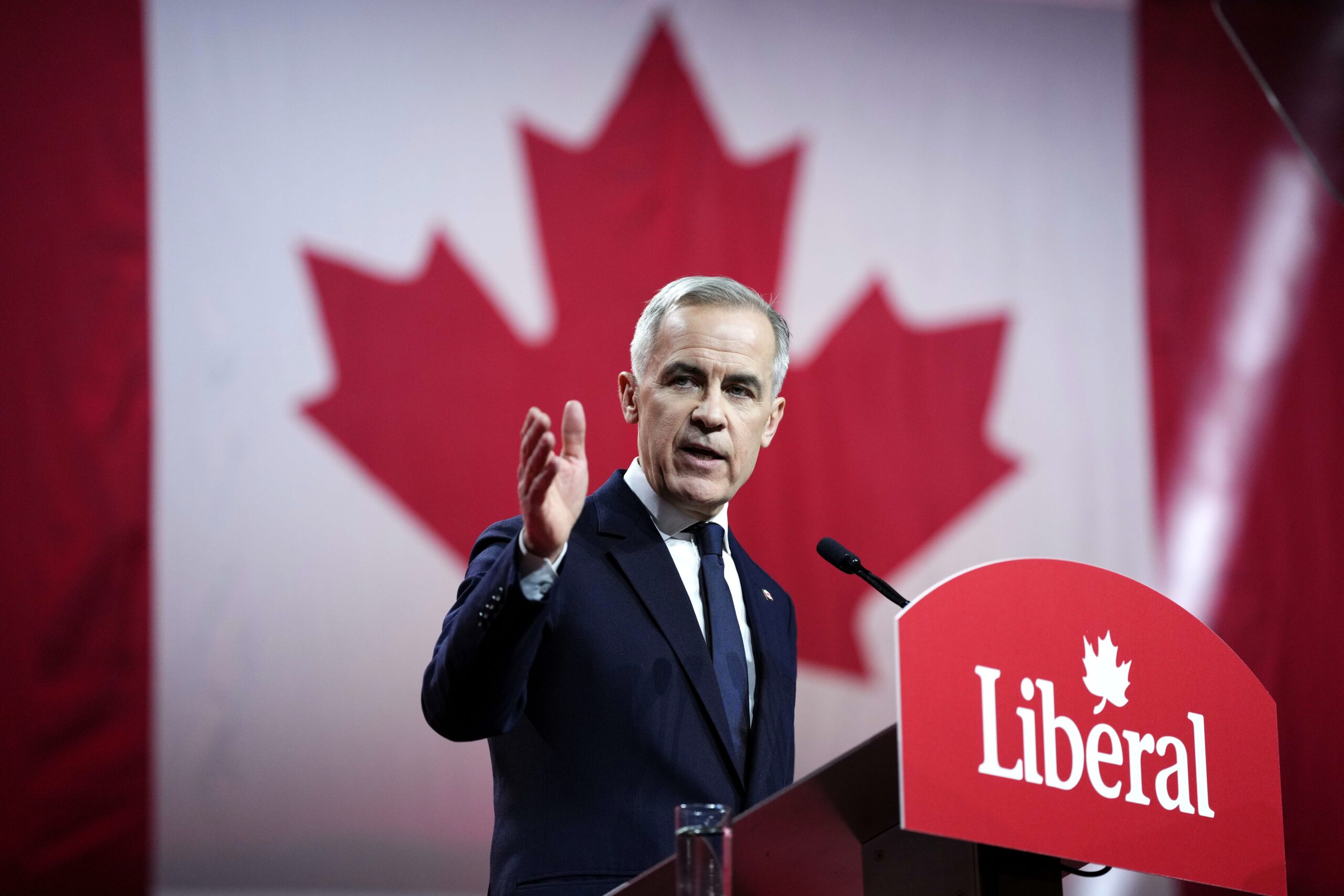
Canada is experiencing a Canada economic moment that has attracted global attention and debate among policymakers, business leaders, and investors. Under the leadership of Prime Minister Mark Carney, the country is navigating an evolving global economy marked by geopolitical uncertainty, shifting trade dynamics, and growing domestic aspirations for economic resilience and strategic diversification.
This moment reflects more than short-term economic performance. It highlights a broader transformation in Canada’s approach to positioning itself within the global order, reducing over-dependence on the United States, reinforcing domestic economic ties, and expanding trade partnerships across Asia, Europe, and beyond. While the road ahead remains complex, early indicators suggest that the Canada economic moment could reshape the country’s economic narrative for years to come.
Redefining Canada’s Economic Strategy
At the core of the Canada economic moment is a strategic recalibration of the nation’s economic policy framework. Prime Minister Mark Carney, a former central banker turned political leader, has emphasized the need for Canada to assert a more self-sufficient and diversified economic path, rather than relying primarily on its historically dominant trading partner, the United States.
This shift has been driven in part by rising tensions in U.S.–Canada trade relations. Protectionist measures and tariff disputes have underscored vulnerabilities in Canada’s traditional trade framework and encouraged Ottawa to pursue alternative economic strategies. Carney’s speeches on the global stage, including at the World Economic Forum in Davos, reflect a desire to reinforce Canada’s role as an active middle power, capable of negotiating new trade linkages and strategic partnerships outside North America.
Analysts argue that this recalibration is not merely reactive but strategic. Canada’s leadership is attempting to leverage this Canada economic moment to fortify domestic economic infrastructure, strengthen internal market linkages, and expand trade corridors with emerging economies in Asia, Africa, and Latin America. Domestic policies aimed at integrating internal markets, reducing interprovincial trade barriers, and boosting productivity are central to this goal.
Domestic Resilience and Economic Reform
While geopolitical headlines dominate discussions about Canada’s external economic orientation, the internal economic landscape also paints a critical picture of why this Canada economic moment is significant. The country is grappling with persistent structural challenges, including sluggish productivity growth, high housing costs, and labor market fragility. Recent employment data has shown tepid job creation and a rise in unemployment rates, particularly among younger Canadians, highlighting ongoing economic pressures.
In response, the federal government has pursued a range of domestic economic reforms. Carney’s administration has focused on expanding infrastructure investment, streamlining project approvals, and promoting innovation in sectors such as energy, technology, and critical minerals. Initiatives like the One Canadian Economy Act aim to eliminate internal trade barriers, creating a more integrated domestic market that can support national growth and resilience.
A key component of the domestic strategy has also been addressing cost-of-living pressures. In early 2026, measures were announced to increase tax credits and provide targeted support for low- and middle-income families to cope with rising food and grocery costs, reflecting a broader effort to mitigate inflationary pressures and strengthen household purchasing power.
These domestic reforms are central to the Canada economic moment narrative, as they reflect a proactive attempt to build resilience within the Canadian economy while laying the groundwork for sustainable growth.
Diversification of Trade and Global Engagement
Trade diversification is one of the most visible components of the Canada economic moment. With increasing geopolitical unpredictability in North America, particularly stemming from U.S. trade policy shifts, Canada is actively seeking to balance its trade portfolio by forging new economic relationships with strategic partners in Asia, Europe, and beyond.
A notable example is Canada’s engagement with China in early 2026, where tariff reductions on Canadian canola and Chinese electric vehicles were negotiated, signaling a pragmatic approach toward expanding trade ties in the Asia Pacific region.
Carney’s government has also made strides toward broader regional trade cooperation, including pursuing agreements with ASEAN member states and other emerging markets. These efforts aim to capitalize on rising demand for Canadian goods beyond traditional markets, reducing dependency on U.S. trade while strengthening Canada’s export footprint globally.
Analysts and trade experts emphasize that while diversification will not immediately replace the United States as Canada’s largest destination for exports, it represents a strategic hedge against trade concentration risk and opens new opportunities for Canadian businesses, particularly in sectors such as agriculture, energy, and technology.
Geopolitical Tensions and Strategic Autonomy
The backdrop of global geopolitical shifts has amplified the importance of the Canada economic moment. Carney’s speeches at international forums have underscored that Canada is navigating a world where established rules based frameworks and economic interdependence are under pressure. He has advocated for middle powers to collaborate more closely in defending strategic interests and adapting to a fragmented global order.
This stance is part of a broader narrative in which Canada seeks to assert both strategic autonomy and global relevance. By diversifying trade ties and investing in domestic capacities, Canada is attempting to build a more robust and balanced economic foundation that can withstand external shocks and geopolitical shifts.
However, geopolitical ambitions come with risks. Strained relations with the United States, especially on trade and tariffs, have created uncertainty for exporters and investors. While Carney’s government has pursued dialogue and negotiation with Washington, the broader geopolitical environment remains fluid. This underscores why the Canada economic moment carries both promise and risk as the nation navigates its economic future.
Economic Outlook and Investor Confidence
The economic outlook for Canada remains nuanced amid this transformative moment. On one hand, policy reforms, investment initiatives, and trade diversification efforts have generated cautious optimism among business leaders and international observers. Domestic support for Carney’s leadership has grown, reflecting public appetite for a more assertive and self-reliant economic strategy.
At the same time, some economists highlight persistent structural weaknesses that could temper Canada’s near-term growth prospects. Issues such as stagnant productivity, high household debt, and sectoral vulnerabilities in manufacturing and services create headwinds that require sustained policy attention.
Investor confidence will likely hinge on Canada’s ability to balance ambitious reforms with fiscal discipline and economic stability. Initiatives such as targeted infrastructure investment and workforce reskilling programs are designed to address long-term structural challenges while supporting competitiveness and attracting private capital.
Despite these challenges, many analysts see the Canada economic moment as a pivotal opportunity to redefine the country’s economic narrative, strengthen its role in global trade networks, and build a more resilient economy capable of navigating future uncertainties.
The Canada economic moment represents a critical juncture in the nation’s economic evolution. Under Prime Minister Mark Carney’s leadership, Canada is embracing a strategic blend of domestic reform, trade diversification, and global engagement aimed at reducing reliance on traditional partners and reinforcing economic resilience.
As Canada continues to navigate global economic shifts and geopolitical complexities, this moment may well shape the country’s economic trajectory for years to come. Whether it leads to sustainable long-term growth, greater global influence, or a reimagined domestic economy will depend on how policies are implemented and how external challenges are managed. What remains clear is that Canada’s economic narrative is in transition, and the world is watching.
Read More