





 Monday, 29-06-26








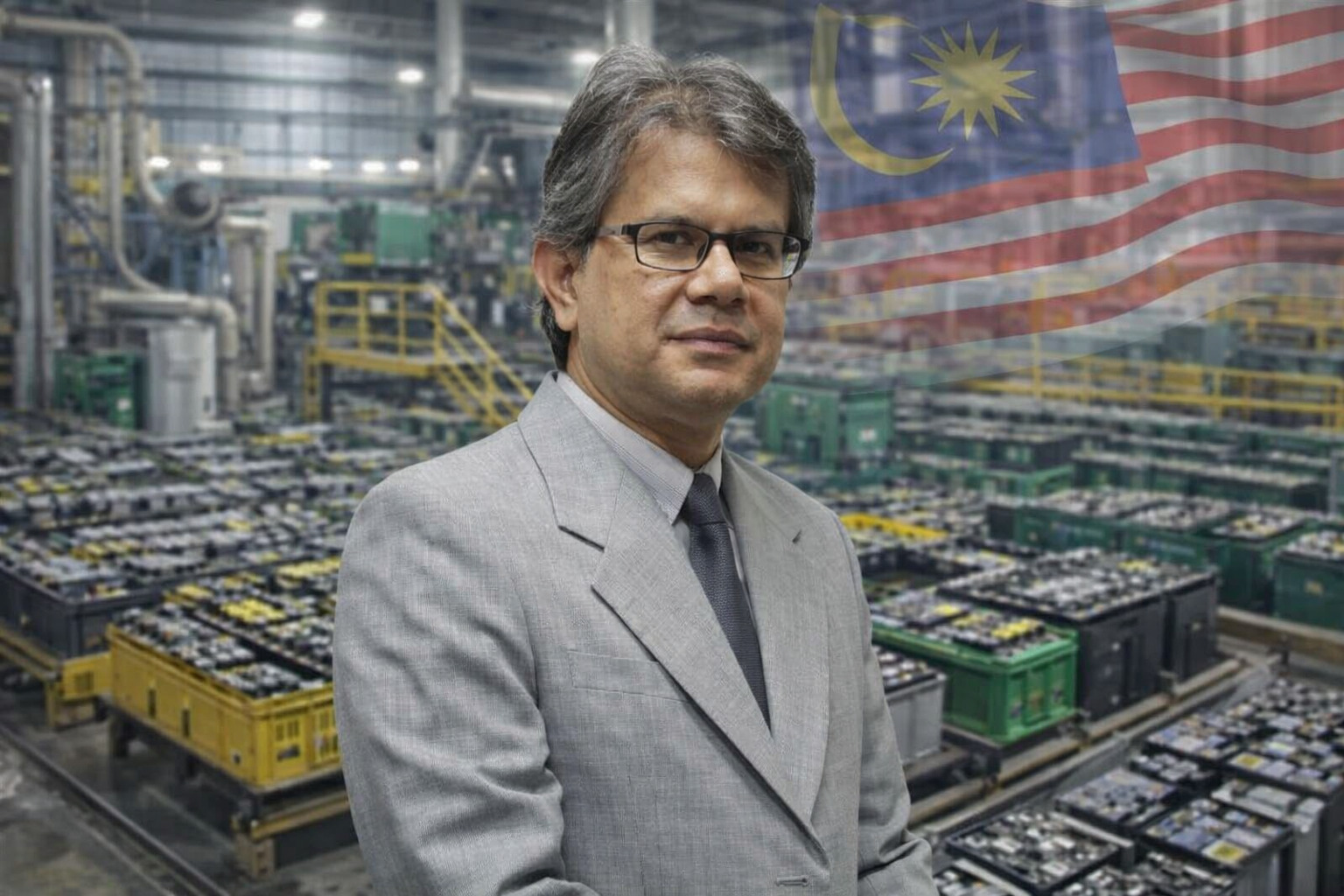
Malaysia is steadily positioning itself as a regional leader in sustainable industrial development, and recent progress in the Malaysia battery recycling sector highlights this ambition. As global demand for electric vehicles, renewable energy storage, and electronic devices continues to accelerate, the importance of responsible battery lifecycle management has moved to the center of policy and investment discussions. Battery recycling is no longer a niche environmental initiative but a strategic industrial pillar that supports energy security, green technology growth, and economic resilience.
The expansion of Malaysia’s battery recycling industry reflects broader structural shifts in Southeast Asia’s green economy. With increasing battery waste volumes projected over the next decade, Malaysia is responding by strengthening domestic recycling capacity, attracting private investment, and aligning industrial development with sustainability goals. At the core of this effort is Kumpulan Modal Perdana (KMP), whose initiatives signal a more integrated approach to waste management, resource recovery, and clean technology manufacturing.
Malaysia battery recycling now stands at the intersection of environmental responsibility and industrial competitiveness, offering a pathway to long term value creation in the green technology ecosystem.
Growing Importance Of Battery Recycling In Malaysia
The rise of electric vehicles, energy storage systems, and consumer electronics has dramatically increased the use of lithium ion and other advanced batteries across Malaysia. While this transition supports decarbonization goals, it also introduces a complex waste challenge. Without proper recycling infrastructure, end of life batteries pose environmental risks due to hazardous materials such as lithium, cobalt, nickel, and manganese.
Malaysia battery recycling addresses this challenge by enabling the safe recovery of valuable metals while preventing soil and water contamination. Recycling also reduces reliance on imported raw materials, a critical consideration as global competition for battery minerals intensifies. Countries with strong recycling ecosystems gain strategic advantages by securing secondary supply sources that are less vulnerable to geopolitical disruptions.
In Malaysia’s case, battery recycling aligns closely with national sustainability frameworks, including commitments to circular economy principles and green industrial growth. Rather than treating battery waste as a liability, policymakers and industry stakeholders increasingly view it as a resource that can be reintegrated into manufacturing supply chains.
KMP’s Strategic Role In Strengthening Battery Recycling Capacity
Kumpulan Modal Perdana has emerged as a key player in advancing Malaysia battery recycling through strategic investments and ecosystem development. The company’s approach extends beyond simple waste processing and focuses on building a comprehensive recycling value chain that supports green technology growth.
KMP’s involvement includes expanding recycling facilities, supporting technological upgrades, and fostering collaboration between recyclers, manufacturers, and regulators. By strengthening domestic capabilities, KMP helps ensure that battery recycling remains economically viable while meeting environmental and safety standards.
This strategy also supports Malaysia’s ambition to become a regional hub for green technology manufacturing. Battery recycling plays a critical role in this vision by supplying recycled materials to downstream industries such as battery assembly, energy storage solutions, and electric vehicle components. As regional demand grows, Malaysia’s ability to process battery waste domestically enhances its attractiveness to foreign investors seeking sustainable supply chains.
Malaysia battery recycling, underpinned by coordinated private sector initiatives, demonstrates how industrial policy and environmental objectives can reinforce each other.
Supporting Green Technology And Industrial Growth
Battery recycling is a foundational component of the green technology ecosystem. Without reliable recycling systems, the environmental benefits of clean energy technologies are diminished by waste and resource depletion. Malaysia battery recycling supports green technology growth by closing material loops and reducing the carbon footprint associated with mining and refining virgin materials.
Recycled metals typically require significantly less energy to process than newly extracted resources. This energy efficiency translates into lower emissions across the battery supply chain. For manufacturers operating under increasingly stringent environmental standards, access to recycled inputs is becoming a competitive necessity rather than an optional sustainability measure.
Malaysia’s expanding recycling industry also supports job creation and skills development. Advanced recycling facilities require specialized expertise in chemical engineering, materials science, and environmental management. As the sector grows, it contributes to workforce upskilling and knowledge transfer, reinforcing Malaysia’s industrial competitiveness.
By embedding recycling into green technology development, Malaysia battery recycling ensures that sustainability is not confined to end products but integrated throughout production cycles.
Circular Economy As A National Industrial Strategy
The concept of a circular economy underpins Malaysia’s approach to battery recycling. Instead of a linear model based on extraction, consumption, and disposal, circular systems emphasize reuse, recovery, and regeneration. Battery recycling exemplifies this shift by transforming waste into input materials for new products.
Malaysia battery recycling supports circular economy objectives by enabling repeated use of critical metals without compromising performance or safety. This approach reduces environmental pressure while strengthening industrial resilience. In a global context where supply chain disruptions are becoming more frequent, circular systems offer stability and predictability.
The development of domestic recycling capabilities also reduces export dependency for hazardous waste processing. By managing battery waste locally, Malaysia improves regulatory oversight, ensures compliance with environmental standards, and captures more economic value within its borders.
As circular economy principles gain traction across Southeast Asia, Malaysia’s progress in battery recycling positions the country as a reference point for sustainable industrial transformation.
Regional And Global Implications
Malaysia battery recycling is not only significant at the national level but also carries regional implications. Southeast Asia is experiencing rapid growth in electric mobility and renewable energy deployment, which will inevitably generate large volumes of battery waste in the coming years. Countries with established recycling infrastructure will be better equipped to manage this transition responsibly.
Malaysia’s proactive approach could enable cross border collaboration, technology sharing, and investment partnerships. As multinational companies seek reliable recycling partners in Asia, Malaysia’s regulatory clarity and industrial readiness enhance its regional appeal.
On a global scale, battery recycling contributes to supply chain diversification for critical minerals. By recovering materials locally, countries like Malaysia help reduce pressure on mining regions and mitigate environmental and social risks associated with resource extraction.
Malaysia battery recycling therefore plays a role in broader global efforts to build sustainable and ethical clean energy supply chains.
Challenges And The Road Ahead
Despite its progress, Malaysia battery recycling still faces challenges that require coordinated solutions. These include ensuring consistent feedstock supply, maintaining high environmental standards, and managing the technological complexity of recycling diverse battery chemistries.
Policy support will remain crucial in addressing these challenges. Clear regulations, investment incentives, and industry standards can accelerate recycling adoption while ensuring safety and environmental compliance. Public awareness is also important, as effective battery collection systems depend on proper disposal practices by consumers and businesses.
Technological innovation will shape the next phase of growth. Advances in recycling processes that improve recovery rates and reduce costs will determine the sector’s long term competitiveness. Malaysia’s ability to integrate research, industry, and policy will be key to sustaining momentum.
Looking ahead, Malaysia battery recycling is poised to become an essential pillar of the country’s green technology ecosystem. As battery usage continues to rise, the importance of responsible end of life management will only increase.
The strengthening of Malaysia battery recycling marks a significant step in the country’s transition toward a sustainable, circular, and resilient industrial economy. Through strategic investments, ecosystem development, and alignment with green technology goals, Malaysia is transforming battery waste into an opportunity for long term growth.
KMP’s role highlights how private sector leadership can accelerate environmental progress while supporting industrial competitiveness. As Malaysia deepens its recycling capabilities, it reinforces its position as a regional leader in green technology and circular economy development.
Malaysia battery recycling is no longer a supporting activity but a strategic industry shaping the future of clean energy, manufacturing, and sustainable growth in Southeast Asia.
Read More