





 Tuesday, 30-06-26








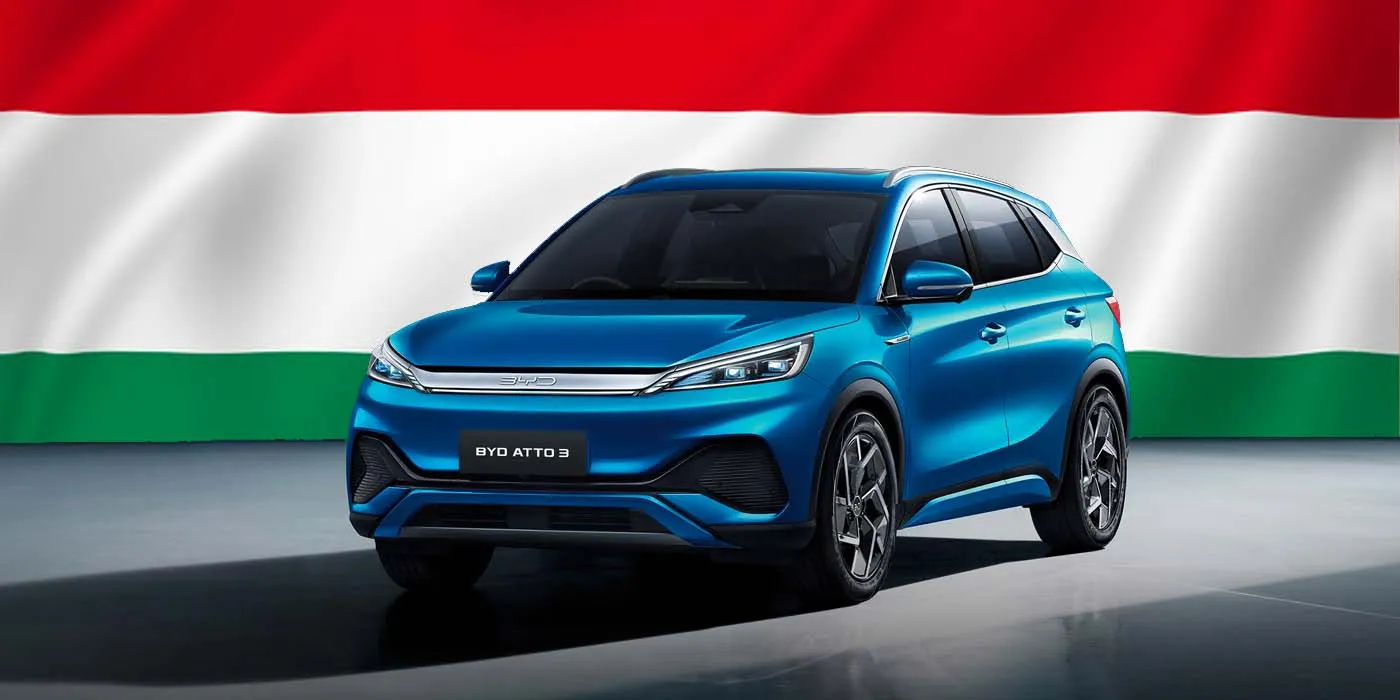
The electric vehicle (EV) industry is undergoing rapid transformation, and Chinese automaker BYD is positioning itself at the forefront of this shift with the launch of pilot operations at its BYD Hungary plant. This initiative reflects a strategic decision by BYD to embed manufacturing within the European market, reduce exposure to import tariffs, and reinforce its global expansion strategy. Localized production in Hungary signals a new phase for EV competition in Europe, where demand is strong and regulatory pressures are shaping supply chains.
Situated in Szeged, southern Hungary, the BYD Hungary plant represents the company’s first facility dedicated to passenger vehicle manufacturing within the European Union. Although BYD has long operated an electric bus factory in Komárom, this new plant elevates the company’s presence by producing a range of passenger EV models tailored for European consumers. Scheduled to initiate trial production in the first quarter of 2026, the facility is on track to begin mass production in the second quarter, laying the foundation for a robust local manufacturing footprint.
BYD’s Strategic Push Into Europe
For years, BYD has grown rapidly in its home market of China and in international sales. By expanding production to Hungary, the company is addressing several strategic priorities. First, local manufacturing allows BYD to circumvent steep European Union tariffs that apply to fully imported Chinese-built EVs. These tariffs can materially increase retail prices, potentially making BYD’s competitive pricing advantage less effective. Producing vehicles within the EU through the BYD Hungary plant enables the company to offer more competitive pricing to European buyers.
In addition to tariff avoidance, localized assembly helps strengthen regional supply chains. BYD has indicated plans to collaborate with Hungarian universities and local suppliers to cultivate a sustainable new energy vehicle ecosystem in Europe. By integrating local partners into its supply network, the company can reduce logistical complexities and enhance responsiveness to market dynamics.
An essential part of this broader strategy includes expanding retail presence across the continent. BYD’s vision is to grow its dealership network significantly to support demand from diverse European markets. Local production at the BYD Hungary plant forms a central pillar of these efforts, enabling quicker delivery times and facilitating post-sale services like maintenance and warranties.
Production Capacity and Model Lineup
The BYD Hungary plant is designed with significant scale in mind. With a reported investment valued at up to €4 billion, the facility’s maximum annual capacity is projected to reach up to 300,000 vehicles. Early-stage production will be lower, with initial output estimated around 150,000 units per year as the plant ramps up. Economic patterns in emerging manufacturing hubs often show that facilities operate below full capacity during their first few years while workforce training and supply chain development proceed.
The first vehicles set to roll off the line include BYD’s Dolphin Surf, known in China as the Seagull. This model is a compact EV that appeals to urban buyers and aligns with European demand for affordable, efficient electric cars. Additional models scheduled for later production include the Atto 2 compact SUV, Atto 3 (also marketed as Yuan Plus in China), the Dolphin hatchback, and more premium offerings like the Seal and Seal U. These models span a range of segments, from entry-level EVs to larger family vehicles, reflecting BYD’s multi-tiered product strategy.
While the BYD Hungary plant focuses on passenger electric vehicles, the company’s broader portfolio includes plug-in hybrids and premium platforms under brands such as Denza. Expansion of model diversity is part of BYD’s broader intent to address both mainstream and higher-end segments of the European automotive market.
Economic and Workforce Impact
The establishment of the BYD Hungary plant carries substantial implications for the local economy. Construction and operationalization of such a large-scale facility create direct jobs in manufacturing and indirect opportunities throughout the supply chain. Reports indicate that nearly 1,000 workers have already been hired, with a significant portion coming from the Szeged region. As production ramps up, the workforce is expected to grow in parallel, supporting Hungary’s industrial base and enhancing regional skills in advanced manufacturing.
The Hungarian government and local authorities have welcomed this investment, which aligns with national goals to position Hungary as a competitive hub for automotive and new energy industries. Collaborations between BYD and educational institutions also aim to build a pipeline of talent in engineering and technical disciplines, further embedding the plant into the local ecosystem.
Competitive Dynamics in Europe
BYD’s entry into European manufacturing via the BYD Hungary plant intensifies competition within the EV sector. European automakers, long accustomed to serving domestic markets with established production bases, now face direct competition from a major global player producing locally. This is particularly relevant in the lower-priced segments where consumer demand remains strong amidst cost pressures and rising living expenses.
At the same time, BYD’s strategic pivot follows evolving global trade dynamics. High tariffs in the United States have limited Chinese EV exports, while Europe’s automotive market presents an opportunity to leverage tariff-free access through localized production. The broader global EV landscape now includes manufacturing expansions not only in Hungary but also in countries such as Turkey, Thailand, Brazil, and Indonesia, reflecting BYD’s ambitions to embed operations close to key markets.
The Road Ahead
As the BYD Hungary plant transitions from pilot to mass production in spring 2026, the EV industry will be watching closely. Success in Hungary could catalyze additional facilities in Europe and reinforce BYD’s ability to compete with legacy manufacturers. Given BYD’s recent global sales growth and strategic investments, its European manufacturing push underscores a long-term commitment to serving one of the world’s largest automotive markets.
For consumers, localized production may eventually lead to better pricing, enhanced service networks, and a broader choice of electric vehicles tailored to regional preferences. Meanwhile, the development of integrated supply chains and workforce capabilities through the BYD Hungary plant could have lasting effects on Hungary’s position in the electrified automotive era.
As BYD accelerates production, expands dealerships, and refines its European strategy, the BYD Hungary plant stands as a symbol of how global automakers are reshaping manufacturing footprints and competitive dynamics in the transition to electric mobility.
Read More