





 Thursday, 17-09-26








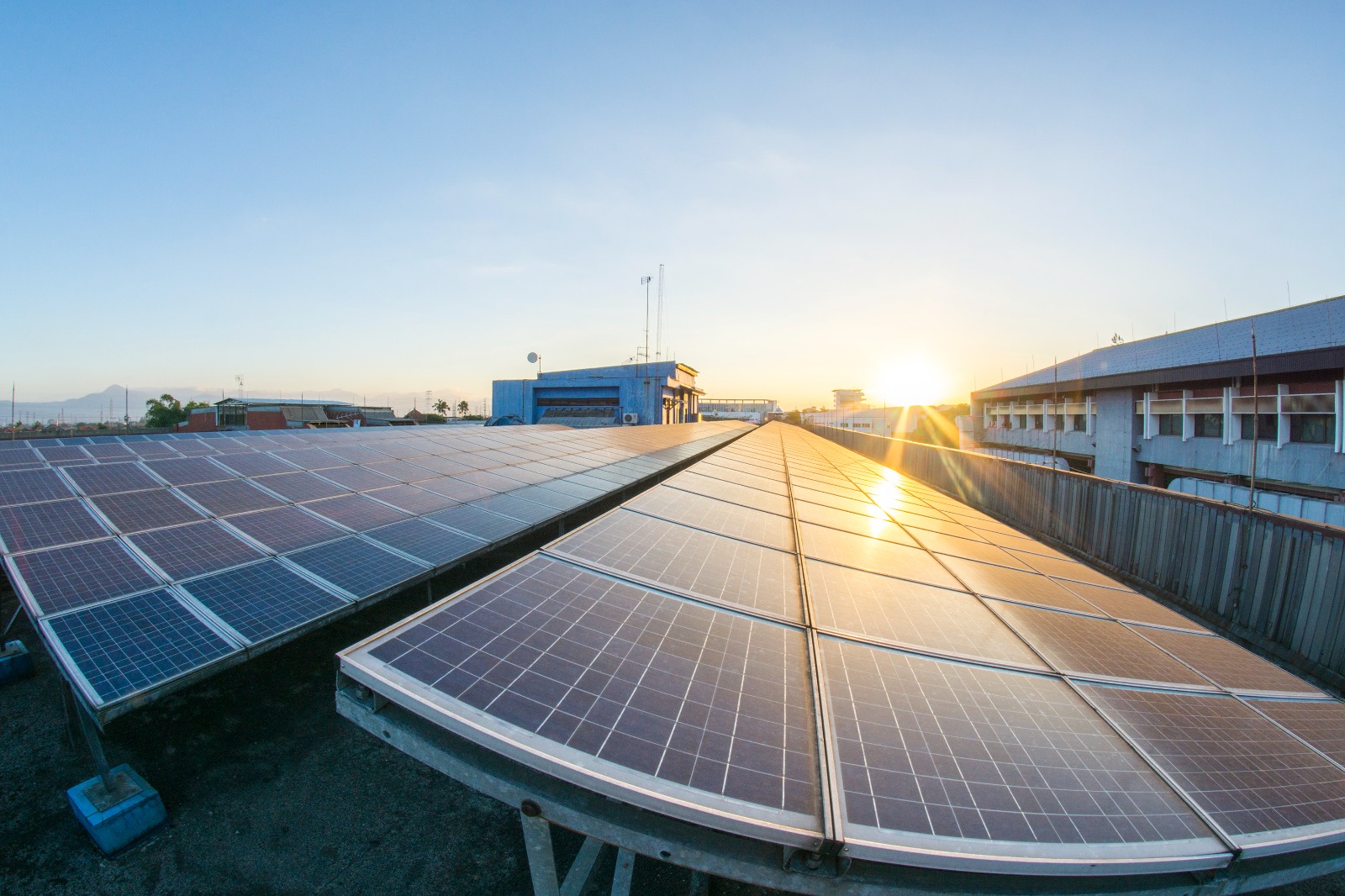
In today’s competitive business environment, companies of all sizes are exploring ways to reduce operational costs, improve resiliency, and demonstrate environmental leadership. One increasingly attractive solution is the adoption of rooftop solar for businesses. This renewable energy approach offers not only substantial economic benefits but also aligns with global expectations for sustainability and corporate responsibility. In Indonesia and beyond, rooftop solar installations are becoming an integral part of energy strategy for businesses seeking long-term cost efficiency and reduced environmental impact.
The Value Proposition of Rooftop Solar for Businesses
At its core, rooftop solar translates sunlight into electricity through photovoltaic (PV) panels installed on the roofs of commercial buildings, factories, warehouses, and other facilities. By generating electricity onsite, businesses can significantly reduce their dependence on grid-supplied power, which in many regions still relies heavily on fossil fuels. This shift has profound implications for both operational expenses and environmental sustainability.
One of the most direct financial benefits of rooftop solar for businesses is the reduction in electricity costs. Solar systems help companies lower their monthly utility bills by offsetting a portion of their energy consumption with clean, self-generated power. In some markets, studies show that commercial rooftop solar can reduce energy bills by 20–30 percent annually, depending on system size and local electricity tariffs.
These savings contribute to a compelling financial proposition. Although the initial installation cost of a solar PV system can be significant, many businesses achieve a return on investment within 3 to 5 years, after which the electricity produced is effectively cost-free. This rapid payback period is a key reason why rooftop solar is increasingly viewed not merely as a sustainability initiative but as a strategic financial investment.
Driving Operational Efficiency and Energy Independence
In addition to cost savings, rooftop solar for businesses enhances operational efficiency and resilience. Traditional grid electricity is subject to price fluctuations and supply interruptions. For companies that rely on consistent power, such as in manufacturing, logistics, or technology sectors, unexpected outages can disrupt production, delay orders, and erode revenue. Rooftop solar systems help mitigate this risk by providing a reliable supplementary source of electricity during peak sunlight hours.
When paired with energy storage systems, rooftop solar can further enhance energy independence, supplying power even during grid outages. This combination improves business continuity planning while reducing exposure to volatile energy markets. For operations in regions with frequent power instability, such as certain industrial or rural zones, this resilience can distinguish a business competitively.
Environmental and Branding Benefits
Beyond economic incentives, rooftop solar for businesses plays a crucial role in reducing carbon footprints and supporting broader environmental goals. Solar energy produces no direct greenhouse gas emissions during operation, making it one of the cleanest sources of electricity available. By reducing reliance on fossil fuels, businesses can diminish their contribution to climate change and less harmful air pollutants.
This environmental performance aligns with corporate sustainability frameworks and can enhance a company’s brand reputation. Consumers and investors increasingly prioritize companies that demonstrate a commitment to environmental stewardship and climate action. Integrating rooftop solar into business operations can strengthen customer loyalty, attract eco-conscious partners, and bolster stakeholder confidence.
From a public relations perspective, rooftop solar installations serve as visible symbols of sustainability. They signal to communities and markets that a business is proactively adopting renewable energy solutions rather than merely complying with minimum regulatory requirements. This market positioning can deliver competitive advantages in sectors where sustainability credentials influence purchasing decisions and investment flows.
Supporting National Energy Goals and Policy Context
The adoption of rooftop solar for businesses also intersects with broader national energy goals. In Indonesia, policymakers have encouraged the use of renewable energy sources, including commercial rooftop solar, to contribute to the national renewable energy mix. Government initiatives have aimed to expand installed capacity and reduce greenhouse gas emissions, creating an enabling environment for renewable energy adoption among businesses and households.
Incentive programs and grant mechanisms, such as those implemented through collaborative efforts with international partners, aim to reduce the cost burden of installing rooftop solar systems for small and medium enterprises (SMEs) and social facilities. These measures demonstrate governmental recognition that renewable energy deployment — including rooftop solar, can support energy security, reduce subsidy burdens, and stimulate green investment.
Even as regulatory frameworks evolve, businesses considering rooftop solar must navigate local permitting, grid connection policies, and financing options. In some contexts, emerging models such as solar power purchase agreements (PPAs), lease-to-own solar solutions, or energy service company (ESCO) partnerships have made rooftop solar more accessible by lowering upfront capital requirements. These market mechanisms broaden participation and accelerate adoption, particularly among businesses that lack the internal capital for direct investment.
Real-World Application and Case Examples
Numerous businesses worldwide have already embraced rooftop solar and reaped tangible benefits. Commercial enterprises ranging from retail chains to heavy-industry facilities have installed solar PV systems of varying capacities, translating into both energy cost savings and sustainability milestones. Successful implementations often yield multi-year savings equivalent to millions in avoided electricity expenses while simultaneously reducing carbon emissions on a significant scale.
In Indonesia, data suggests that industrial use of rooftop solar is rising, especially in regions where energy demand is high and electricity costs are a major operational factor. These installations contribute to decarbonization efforts while providing predictable energy costs that help stabilize long-term business planning.
Across sectors, businesses report that rooftop solar systems typically pay for themselves within a few years and continue generating cost-free electricity for decades. For example, in commercial settings where electricity bills constitute a significant portion of expenses, solar PV can reduce total energy bills by a third or more — a compelling incentive for sustained investment.
Challenges and Considerations for Adoption
While rooftop solar presents numerous advantages, adoption is not without challenges. Initial capital expenditure remains a barrier for some businesses, particularly smaller firms with limited access to financing. Although incentives and financing models are emerging, many companies still struggle with the upfront costs associated with purchasing and installing PV systems.
Technical constraints also play a role. Proper roof condition, orientation, and structural support are prerequisites for optimal solar installation. Additionally, businesses must consider long-term maintenance and integration with existing electrical systems to ensure performance and safety.
Policy clarity and streamlined permitting can help accelerate adoption. Governments and energy regulators that provide clear guidelines for grid-connected systems, net metering, and fiscal incentives enable businesses to make informed decisions with reduced administrative hurdles. Collaborative efforts among industry associations, renewable energy developers, and policymakers can further support ecosystem growth.
Future Outlook: Scaling Rooftop Solar for Businesses
Looking ahead, rooftop solar for businesses is poised to play an increasingly important role in corporate energy strategy and climate mitigation. As solar technology improves and costs continue to decline, even more businesses will find solar adoption economically attractive. Advances in energy storage, smart grid integration, and digital monitoring also enhance the value proposition, enabling companies to optimize energy use in real time.
Moreover, as global supply chains place greater emphasis on sustainability reporting and carbon reduction, businesses with rooftop solar installations will be better positioned to meet investor expectations and regulatory requirements. This alignment between financial performance and environmental responsibility positions rooftop solar as not just an energy solution but a business imperative.
Rooftop solar for businesses offers a multifaceted value proposition: significant energy cost savings, enhanced operational resilience, improved brand image, and meaningful progress toward sustainability goals. While barriers such as initial investment costs and technical requirements remain, evolving financing models and supportive policies are helping more companies unlock the potential of solar PV systems. As businesses increasingly prioritize sustainability, rooftop solar will continue to stand out as a strategic investment that drives economic and environmental value simultaneously.
Read More