





 Sunday, 26-07-26








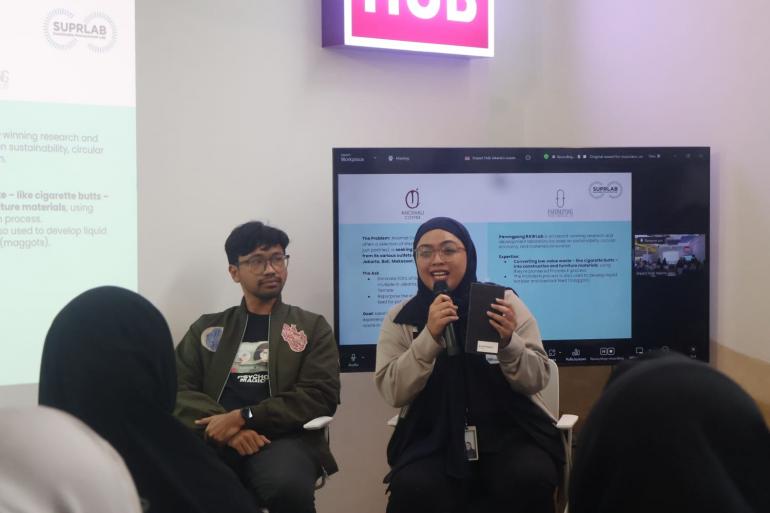
In an era where environmental sustainability and economic growth must coexist, circular economy startup collaboration has emerged as a strategic mechanism to tackle waste and resource inefficiencies in corporate operations. Impact Hub Jakarta, a leading innovation network focused on social and environmental impact, recently advanced this approach through its Sustainable Procurement Lab program, known as SUPR Lab. The initiative connects corporations struggling with waste management with innovative startups that offer practical circular economy solutions, demonstrating how collaboration across sectors can drive measurable environmental benefits.
Through SUPR Lab, Impact Hub Jakarta has facilitated partnerships between established companies and startups specializing in circular solutions. The program exemplifies how multi-stakeholder collaboration can unlock new opportunities for waste reduction while supporting the growth of Indonesia’s circular economy ecosystem. As corporates face increasing pressure to integrate sustainability into their business strategies, programs like these show that engaging startups is not just beneficial but essential for achieving long-term environmental and economic goals.
Understanding Circular Economy Startup Collaboration in Practice
Circular economy startup collaboration refers to systematic partnerships where startups with expertise in recycling, upcycling, or resource reuse work with larger organizations to address specific waste challenges that cannot be solved solely through internal corporate capabilities. This model differs significantly from traditional recycling programs because it focuses on co-creating value from waste, rather than merely disposing of it.
Impact Hub Jakarta’s SUPR Lab brings this concept to life by providing structured support for partnerships. Corporates bring real waste challenges to the table, while startups contribute innovative solutions. Through facilitated workshops, memoranda of understanding (MoUs), and jointly defined pilot projects, both parties work towards practical outcomes that can be tested and scaled.
The program’s design embodies key principles of circularity—reducing waste at the source, repurposing materials, and feeding them back into productive use rather than sending them to landfill. This crosses traditional industry boundaries and creates markets for previously underutilized resources.
Case Studies From SUPR Lab Partnerships
SUPR Lab has produced several success stories that demonstrate the impact of collaboration between corporates and circular startups:
Transforming Food Waste Into Useful Products
One of the noteworthy collaborations involved Anomali Coffee and Parongpong RAW Lab. These partners worked to convert food waste from coffee operations into everyday consumer products such as coasters, reservation signs, and board materials. By repurposing organic byproducts, this initiative reduced waste volumes and created a sustainable supply stream for creative and design applications.
This kind of circular solution not only diverts waste from conventional disposal routes – such as landfills or incineration – but also creates added economic value for all stakeholders involved. It highlights how startups with niche technical expertise can help corporates rethink their waste management strategies.
Upcycling Food Waste Into Animal Feed
Another successful collaboration paired Lawless Burgerbar with Waste4Change. In this project, leftover food waste from the restaurant was transformed into maggot feed used for poultry. Through this partnership, a byproduct that would otherwise contribute to corporate waste streams became a valuable resource for agricultural use.
This example underscores the potential for cross-sector circular innovation, where waste from one industry becomes input for another, promoting system-wide sustainability.
Repurposing Textile Waste for Practical Products
A strategic initiative between Bank Central Asia (BCA) and The New Factory focused on transforming old employee uniforms into useful items such as plaques and waste bins. Instead of sending textile waste to landfill, the collaboration upcycled it into functional products for corporate environments.
This model of circular startup collaboration addresses not only environmental burdens but also shifts corporate perceptions of waste—from burden to resource. These projects highlight the real potential of circular solutions when startups and established companies align their goals.
The Role of Impact Hub Jakarta as a Facilitator
Impact Hub Jakarta acts as an intermediary, not merely matching partners but facilitating the entire collaboration process. Its role encompasses:
- Needs Assessment and Matching: Identifying specific corporate waste challenges and recommending startups whose capabilities align with those challenges.
- Formal Collaboration Support: Helping stakeholders formalize partnerships through MoUs and collaborative agreements.
- Pilot Project Facilitation: Supporting pilot implementations, including planning, resource allocation, and evaluation.
- Ecosystem Networking: Connecting corporates and startups with broader industry actors, funders, and community stakeholders to enhance scalability.
This facilitative process is vital because it overcomes common barriers to corporate-startup collaboration, such as differences in organizational culture, resource constraints, and unclear expectations. By mitigating these issues, Impact Hub Jakarta accelerates the journey from concept to real-world implementation.
Broader Implications for Sustainable Business and Policy
The success of circular economy startup collaboration has larger implications for both corporate sustainability strategies and public policy. Corporates increasingly recognize that environmental responsibility is tied to their brand value and regulatory compliance, especially as global standards for sustainability reporting tighten.
By embracing circular partnerships, companies can demonstrate proactive environmental stewardship while meeting growing stakeholder demands for transparency and action. These collaborations also create new economic opportunities as startups specializing in circular solutions scale their operations and bring innovations to broader markets.
From a policy perspective, initiatives like SUPR Lab illustrate how public-private partnerships can support the transition to a circular economy. They show that with the right mix of facilitation, investment, and entrepreneurial innovation, waste management challenges can be turned into engines of growth.
Furthermore, Indonesia’s broader circular economy ecosystem is gaining momentum, with national and international initiatives aiming to strengthen frameworks that support resource reuse, waste reduction, and collaborative innovation. These trends indicate that circular economy principles are moving beyond theoretical frameworks into tangible business models and scalable solutions.
Why Circular Economy Startup Collaboration Matters
There are several reasons why circular economy startup collaboration should be prioritized by corporates and ecosystem builders:
- Cost Savings and Efficiency – Reducing waste often leads to lower disposal costs and new revenue streams.
- Innovation Acceleration – Startups bring agility and creative problem-solving that can be difficult for larger organizations to develop internally.
- Environmental Impact Reduction – By keeping materials in use longer and minimizing landfill contributions, companies reduce their environmental footprint.
- Enhanced Stakeholder Value – Sustainability initiatives appeal to investors, customers, and employees who increasingly value responsible business practices.
- Scalable Solutions – Structured collaborations can lead to models that scale beyond pilot stages, influencing industry norms.
Conclusion
The initiative by Impact Hub Jakarta to connect corporates with circular economy startups through the SUPR Lab program provides a compelling blueprint for how collaboration can drive waste reduction and sustainable innovation. These partnerships demonstrate that circular economy principles are not abstract ideals but actionable strategies that benefit business, society, and the environment.
Moving forward, corporates that embrace circular collaboration with startups are likely to lead in sustainable business practices, unlock new market opportunities, and contribute meaningfully to global environmental goals. As the world grapples with waste challenges, this model of circular economy startup collaboration offers a durable path toward more resilient and responsible economic systems.
Read More