





 Tuesday, 22-09-26








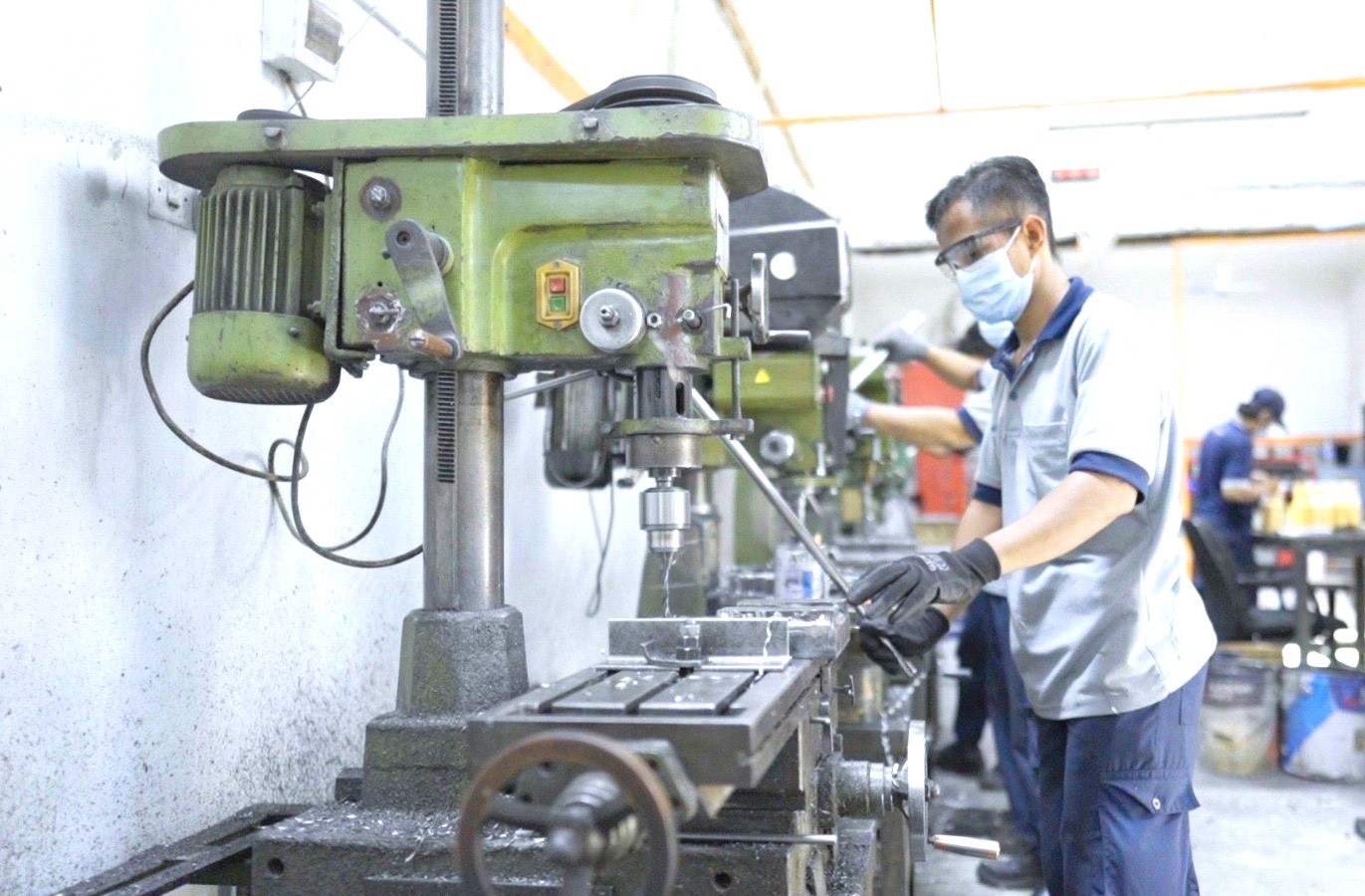
The Indonesian Ministry of Industry (Kemenperin) is reforming policies to guarantee easier access and availability of raw materials and auxiliary materials for small and medium enterprises (SMEs) (19/01).
This initiative is carried out through the enhancement of Raw Material and Auxiliary Material Supply Centers for SMEs, as regulated in the Minister of Industry Regulation No. 21 of 2021.
“Policy reforms are carried out continuously to maintain SME production processes while adapting to business climate dynamics and applicable laws,” said Minister of Industry Agus Gumiwang Kartasasmita in Jakarta.
Challenges Facing Small and Medium Enterprises
Despite ongoing development, SMEs continue to face challenges, including limited access to raw materials, technology, human resources, marketing, and financing. Many of the raw materials required by SMEs still need to be imported.
“The challenges SMEs often face in importing raw materials include limited local supply with specific standards, small import volumes that complicate import requirements, restricted direct access to domestic producers, and complex import licensing documents,” Agus explained. These issues can increase production costs, reduce competitiveness, and hinder SME production sustainability.
PPBB: Mechanism for Import Facilitation
Government regulations, including PP No. 28 of 2021 and PP No. 46 of 2023, allow SMEs unable to import independently to fulfill raw material needs through Raw Material and Auxiliary Material Supply Centers (PPBB).
Kemenperin is developing regulations on PPBB management covering import approval, SME capability verification, reporting, monitoring, and facilitation through a Draft Ministerial Regulation on PPBB.
“This scheme ensures SMEs without independent import capacity can secure raw material supply. Distribution through PPBB is targeted because imports are delivered only to SMEs with existing purchase contracts with the PPBB,” Minister Agus stated.
PPBBs may submit import plans for commodities regulated under the Commodity Balance or other legal provisions. Each PPBB is designated specific commodities and a list of SMEs it serves, forming the basis for import approval.
Simplifying Administration and Ensuring Compliance
Director General of Small, Medium, and Various Industries (IKMA) Reni Yanita stated that PPBBs must be legally established in Indonesia, maintain storage of at least 500 square meters, and serve a minimum of five SMEs per commodity group.
“To simplify administration, PPBB applications are submitted through the National Industry Information System (SIINas). This allows API-U holders to gain PPBB status without difficulty, while still complying with reporting obligations,” Reni added.
Future Support Measures to Boost SME Competitiveness
Through PPBB, SMEs needing imported raw materials are expected to access supplies more easily, affordably, and with quality assurance.
Kemenperin also plans to provide fiscal and non-fiscal incentives for PPBBs to improve SME productivity and competitiveness, supporting broader economic growth.
PHOTO: MINISTRY OF INDUSTRY
This article was created with AI assistance.
We make every effort to ensure the accuracy of our content, some information may be incorrect or outdated. Please let us know of any corrections at [email protected].
Read More