





 Sunday, 14-06-26








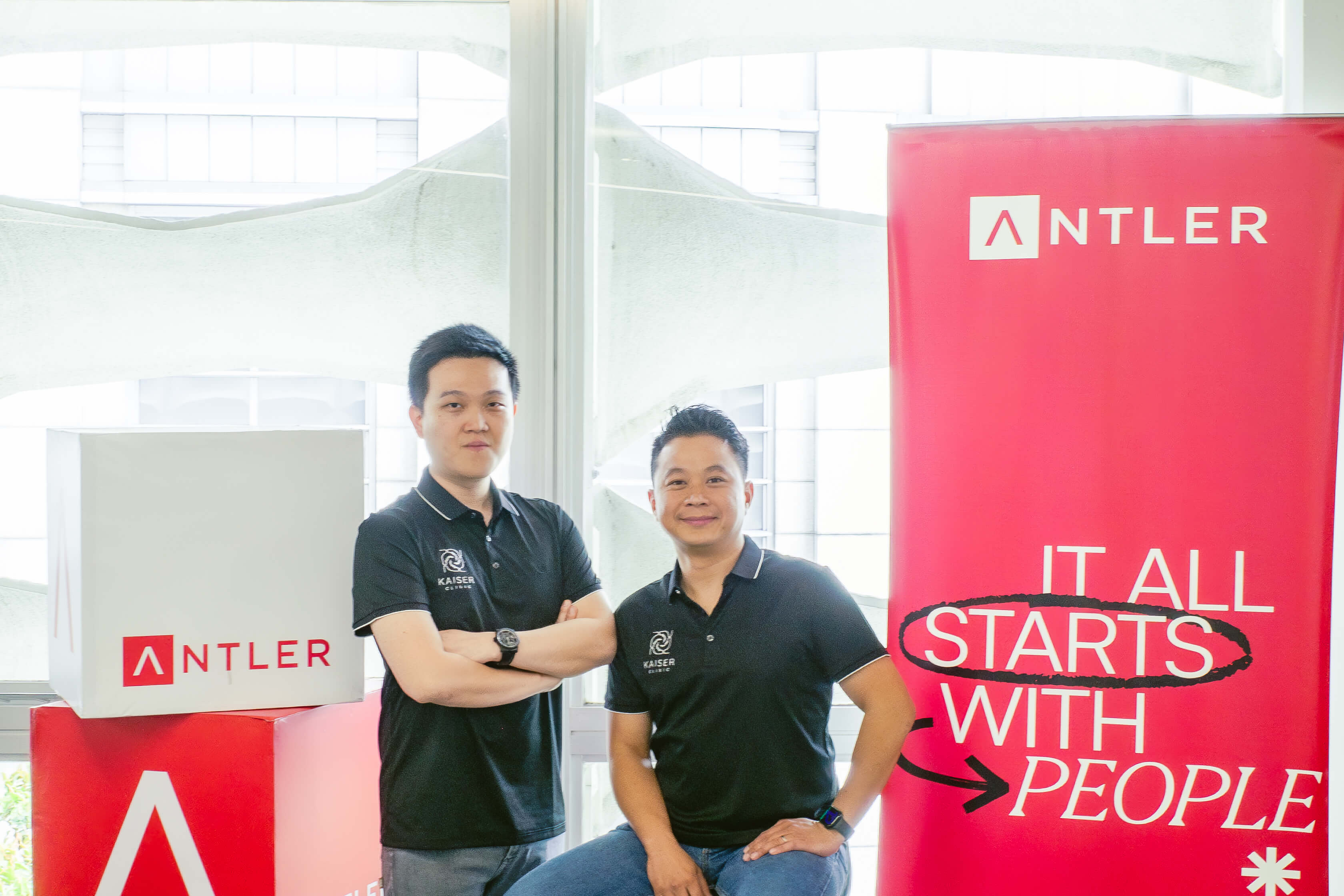
In an increasingly connected global economy, travel tech continues to evolve beyond flight and hotel bookings into core infrastructure that enables seamless border crossing. One of the most critical yet historically underserved pieces of this ecosystem is visa processing. In January 2026, AI visa infrastructure startup funding made headlines when Indonesian travel startup SPUN announced the successful close of a $1.8 million seed funding round aimed at expanding its artificial intelligence-powered visa processing infrastructure throughout Southeast Asia.
This article explores the significance of this funding round, the structural challenges SPUN aims to tackle, how the investment reflects broader trends in travel and tech, and why investors are taking notice of infrastructure layers that underpin global mobility.
Redefining Visa Processes with Purpose-Built AI
Even with widespread digitalization across global travel platforms, visa applications remain a pain point for millions of travelers and businesses. Traditional visa agents often handle applications manually, resulting in fragmentation, delays, and inconsistent outcomes. SPUN enters this space with a different perspective: treat visas as an infrastructure problem requiring scalable, data-driven solutions rather than incremental services.
Founded by Christa Sabathaly and Dilla Anindita — both seasoned professionals with backgrounds at companies such as Google, LINE, Grab, and Cookpad — SPUN builds AI-enabled systems designed to bring predictability, reliability, and automation to the visa process. The platform supports more than 300 visa types across 90+ countries and promises streamlined processing for both individual travelers and business customers.
According to company data, within its first year SPUN processed thousands of inbound and outbound visa applications with a 99 percent approval rate, a figure that underscores the effectiveness of its technology-backed approach compared to traditional workflows.
This approach allows SPUN to avoid rebuilding systems for each new market. Instead, its intelligence layer can standardize workflow logic, minimize manual intervention, and absorb dynamic regulatory changes that frequently complicate visa rules across countries.
What $1.8M Seed Funding Means for Expansion
The announcement that SPUN had closed $1.8 million in seed funding signals growing investor confidence in infrastructure-centric travel technology. The round was led by Genesia Ventures, with participation from Antler, Spiral Ventures, Iterative, Kopital Ventures, and angel investor Kum Hong Siew, former Managing Director of Airbnb China.
Compared to other travel tech investment headlines focused on consumer-facing marketplaces or booking platforms, this funding round stands out by prioritizing core systemic efficiencies. Unlike high-volume ticket sales or hotel reservations, visa infrastructure represents a “last mile” of travel logistics that has historically been underserved by technology.
Funding will be deployed toward several strategic priorities:
- Regional expansion into key Southeast Asian markets where visa requirements remain complex and fragmented
- Deepening automation capabilities to reduce manual steps, increase throughput, and deliver reliable results
- Strengthening platform integrations with travel services and B2B partners to embed visa solutions into broader travel journeys
These investments align with macro trends — rising demand for international travel and digital nomad mobility as restrictions ease globally and more individuals seek cross-border opportunities for work, education, and leisure.
Travel Tech’s Third Wave: From Booking to Infrastructure
The travel technology industry has undergone several evolutionary waves. Early innovations focused on ticketing and hotel reservations, epitomized by regional giants like Traveloka and global players like Expedia. The next wave saw integration of ancillary services such as insurance, rides, and experiences through APIs and SaaS partnerships.
Now, the industry increasingly recognizes that truly seamless travel means addressing the structural backend systems that govern cross-border movement. Visa requirements present one of the most significant barriers to efficient global travel. Complexity arises from:
- Diverse regulatory frameworks among countries
- Rapid changes due to geopolitical or public health considerations
- Inefficient manual processes that frustrate users and reduce traveler confidence
By treating visa processing as an infrastructure layer that can be standardized, digitized, and automated, SPUN is positioning itself at the core of travel logistics rather than at the periphery.
Investors Bet on Foundational Solutions
Large institutional and strategic investors are increasingly backing companies that address systemic problems rather than superficial conveniences. Genesia Ventures, Antler, and others participating in this round clearly see structural opportunity in what has traditionally been a fragmented market segment.
For example, Antler Indonesia’s participation reflects the firm’s broader commitment to early-stage innovation across Southeast Asia, where it has deployed capital to dozens of startups despite challenging market conditions. Though Antler’s portfolio spans multiple industries, its involvement in SPUN highlights a belief that foundational travel tech infrastructure can yield long-term value as regional mobility increases.
For Genesia Ventures, the logic centers on transforming a legacy service into a scalable platform. As its general partner Takahiro Suzuki noted, many travelers still perceive visa assistance as manual and opaque. SPUN’s AI-driven workflows promise a more predictable solution that can scale beyond Indonesia’s borders, making it attractive for regional and global partners.
Practical Impact: Businesses and Travelers Alike
Visa complexity impacts not only individual travelers but also businesses managing mobility for employees. For multinational companies, remote work programs, intracompany transfers, and international hiring are all tied to complicated permit requirements that vary by country and change frequently.
SPUN’s platform, which already serves over 200 travel agents and resellers, offers workflow automation that can reduce administrative overhead while increasing speed and accuracy.
Major travel platforms in Southeast Asia, such as Klook, Traveloka, Tiket, and Nusatrip, have already embedded SPUN’s services into their ecosystems, making the startup’s offering more discoverable and usable within existing travel purchases and planning interfaces.
For individual travelers, the promise is clarity and confidence. Visa requirements — often buried in government portals and embassy guidelines — can lead to uncertainty, delays, and even trip cancellations. By using an AI intelligence layer that understands nuanced requirements and evolving regulations, travelers can navigate the process with significantly less friction.
Challenges and Long-Term Prospects
Despite the strong narrative around technology and efficiency, visa infrastructure remains complex. Countries may have opaque policy shifts or sudden changes due to international relations or public health alerts that challenge even the most sophisticated AI systems.
SPUN’s focus on standardization helps mitigate this risk, but the company must continually adapt to regulatory change and maintain high reliability to build trust with global partners. Continued investment in data ingestion, compliance mapping, and AI model refinement will be essential.
Moreover, regional expansion requires localization not just in language but in knowledge of legal frameworks and cultural contexts that inform permit adjudication. For SPUN, this means building teams with expertise in immigration policy, government relations, and regional business development.
Yet, the potential payoff remains considerable. As travel — both leisure and business — rebounds from pandemic lows and global mobility becomes more distributed, the value of core infrastructure that simplifies cross-border movement could rival that of booking engines or travel marketplaces in terms of strategic importance.
Conclusion
The closing of $1.8 million in seed funding for SPUN marks an important moment in travel technology: a shift from consumer apps and marketplaces to infrastructure that enables smoother, more predictable global mobility. By leveraging artificial intelligence to modernize one of the most persistent pain points in international travel — visa processing — SPUN is positioning itself not just as a travel tech startup, but as a critical layer of travel infrastructure for businesses and individual travelers alike.
With backing from notable investors and partnerships with regional travel platforms, SPUN’s growth trajectory highlights investor confidence in AI visa infrastructure startup funding that targets real friction points rather than surface-level conveniences. As cross-border movement continues to expand, infrastructure solutions like SPUN’s will likely play increasingly central roles in powering the next wave of travel innovation.
Read More