





 Wednesday, 10-06-26








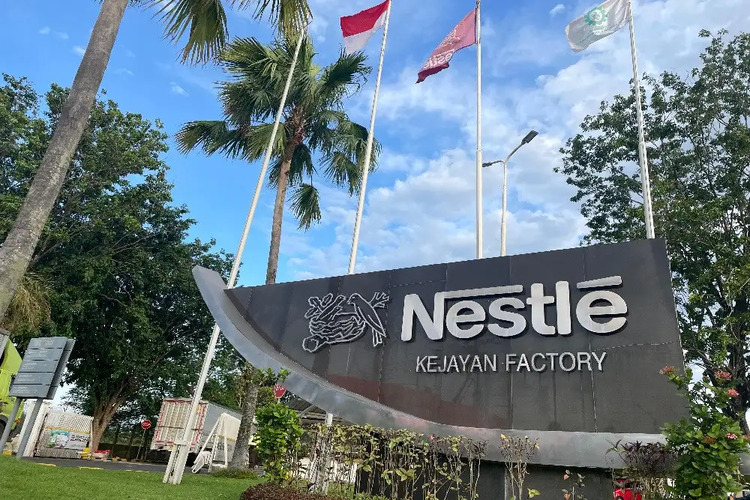
Nestlé Indonesia has issued an official statement regarding the Nestle baby formula recall response following a directive from Indonesia’s Food and Drug Monitoring Agency (BPOM) to halt distribution and voluntarily recall specific infant formula products. The action comes amid a global food safety alert concerning certain batches of infant formula, and while local testing in Indonesia did not detect contamination, the precaution reflects a broader emphasis on protecting infant health and maintaining public confidence in nutritional products.
This SEO article will explore the circumstances leading to the recall order, the specifics of Nestlé’s response, the implications for public health and consumers, and what parents and caregivers should know moving forward.
Circumstances Surrounding the Recall Order
The recall directive in Indonesia was issued after the European Union Rapid Alert System for Food and Feed (EURASFF) and the International Food Safety Authorities Network (INFOSAN) issued global notifications about potential safety concerns related to some Nestlé infant formula products. These concerns centered on a possible contamination with cereulide toxin produced by the bacterium Bacillus cereus. Cereulide is known for being heat resistant and can lead to symptoms such as vomiting, diarrhea, and unusual lethargy in consumers if present.
In response to this notification, BPOM instructed PT Nestlé Indonesia to stop the distribution and importation of specific baby formula products temporarily, even though local testing on the imported batches detected no cereulide toxin at levels above the limit of quantitation. The affected product in question was S-26 Promil Gold pHPro 1, designed for infants aged 0 to 6 months, with specific batch numbers cited in the recall order. Two batches of the product, with batch numbers 51530017C2 and 51540017A1, were the focus of this voluntary recall, conducted under BPOM supervision. Though laboratory results did not find the toxin, BPOM emphasized caution given the vulnerability of infant consumers, who are more susceptible to foodborne risks.
Nestlé Indonesia’s Official Response and Actions
In its Nestle baby formula recall response, Nestlé Indonesia stressed that all products manufactured locally in Indonesia remain unaffected by the recall issue and are safe for consumption. The company also highlighted that rigorous testing conducted on the imported batches confirmed no detectable levels of cereulide toxin. Still, as a precaution and in alignment with BPOM’s directive, Nestlé voluntarily recalled the specific imported batches of S-26 Promil Gold pHPro 1 to ensure maximum precaution and transparency. The company has also paused further distribution and importation of these products.
Nestlé’s statement reiterated its commitment to the highest food safety and quality standards, ensuring consumers that the rest of its product lines, including other infant formula and nutritional products, are not affected by this issue. To support parents and caregivers, the company encouraged those holding the specified batch products to contact Nestlé Indonesia’s consumer service for assistance.
This response underscores Nestlé’s focus on consumer communication and public reassurance amid a complex global recall situation. Rather than waiting for mandated action, the company opted for voluntary compliance and collaboration with Indonesian authorities, aligning with best practices for food safety incident management.
Health and Safety Concerns Around Cereulide Toxin
Understanding the potential risk related to cereulide toxin is a critical part of contextualizing the recall. Cereulide is a cyclic peptide toxin known to be produced by certain strains of Bacillus cereus, a bacterium that can contaminate food products. The toxin is heat resistant, meaning it cannot be reliably destroyed by standard cooking or formula preparation methods. If present in sufficient quantities, it can cause gastrointestinal symptoms such as persistent vomiting or diarrhea, which can be particularly dangerous for infants due to their smaller body size and greater sensitivity to dehydration and nutritional imbalance. While the recall in this case was precautionary and laboratory testing in Indonesia did not find detectable levels of the toxin in the imported batches, health authorities opted for a cautious approach, given the potential severity of symptoms if contamination were present. Preventive actions like recalls help reinforce public confidence in food safety systems and demonstrate a commitment to infant health protection.
How Consumers Can Respond to the Recall
For parents and caregivers in Indonesia who may have purchased infant formula products, the Nestle baby formula recall response includes clear guidance on what to do:
- Check the batch number and distribution permit on the packaging to see if it matches the recalled products.
- If a product matches the specific recall batch numbers, stop using it immediately and follow BPOM or Nestlé's guidance on returning or exchanging the product.
- Contact Nestlé Indonesia’s consumer service via the contact information provided for assistance.
- Continue to monitor BPOM announcements or Nestlé communications to stay informed about updates regarding the safety of other products currently in circulation.
By following these steps, caregivers can ensure that they are acting in their child’s best interest without unnecessary alarm. The recall reflects extensive global safety monitoring and collaboration between regulatory authorities and industry participants.
Broader Context of Infant Formula Recalls
Although the situation in Indonesia is specific to the imported batches of S-26 Promil Gold pHPro 1, it fits into a larger context of infant formula recalls globally. In several countries, including European markets, Nestlé has announced recalls of certain batches of its infant nutrition products following quality concerns identified at production facilities. The company’s global response has included apologies from leadership and reassurances that, so far, no confirmed cases of illness have been reported due to the affected products.
These global developments highlight the importance of robust quality assurance practices throughout the supply chain and demonstrate how interconnected food safety governance has become across international borders. A voluntary and transparent recall process fosters trust among consumers and regulators alike and reinforces the responsibilities of large multinational food companies to uphold safety standards in every market they serve.
The Nestle baby formula recall response in Indonesia demonstrates the company’s proactive approach to ensuring consumer safety and maintaining public trust amid a complex global food safety alert. While laboratory tests showed no detectable cereulide toxin in the batches distributed in Indonesia, BPOM’s directive and Nestlé’s voluntary recall emphasize precaution, transparency, and collaboration with regulatory authorities.
For parents and caregivers, understanding how to identify affected products and respond appropriately is essential. At the same time, Nestlé’s reaffirmation of safe product standards and quality commitments helps to reassure consumers that only specific batches, not the broader product range, were in question. Overall, this incident highlights the importance of global monitoring systems, regulatory oversight, and responsible corporate communication in protecting public health, particularly for vulnerable populations such as infants.
Read More