





 Saturday, 13-06-26








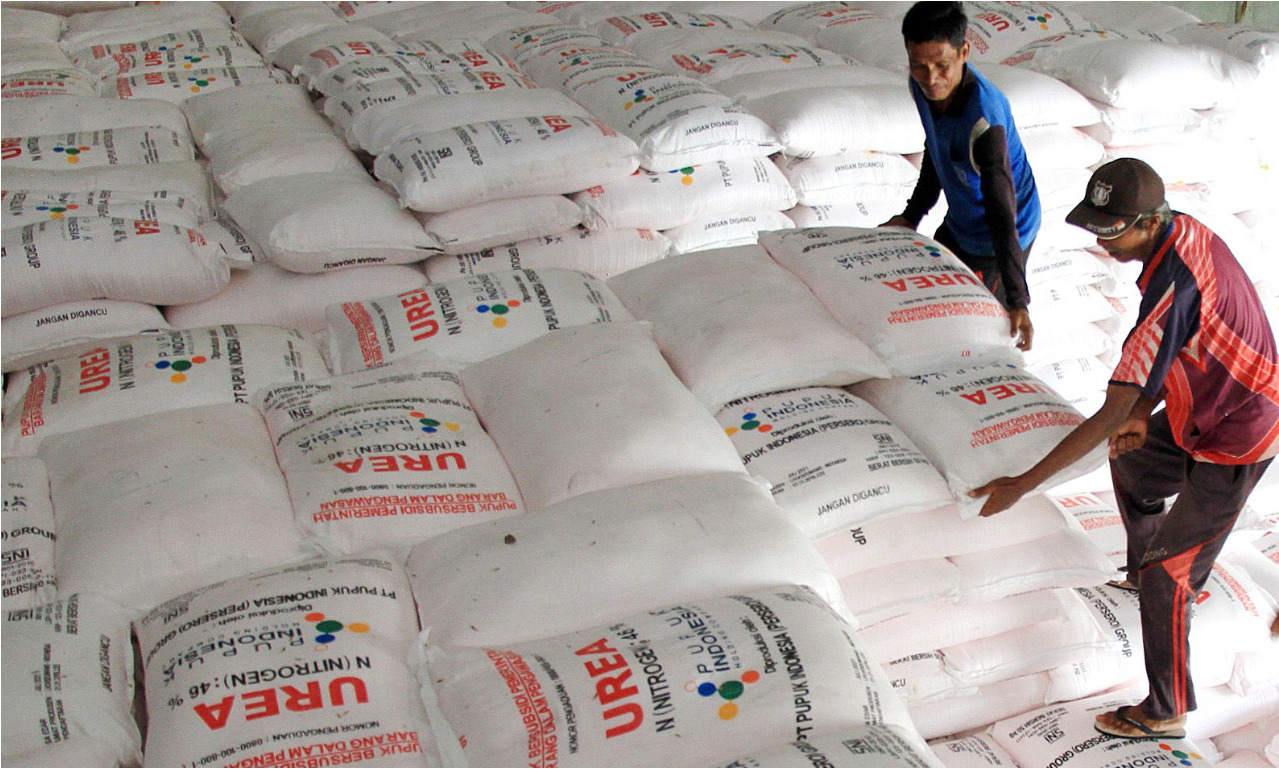
The announcement of an Indonesia fertilizer price cut by President Prabowo Subianto marks a significant policy milestone in the country’s agricultural and food security agenda. A reduction of up to 20 percent in fertilizer prices is not merely a cost adjustment but a strategic intervention aimed at improving farmer welfare, increasing productivity, and stabilizing national food supply. As fertilizer costs represent one of the largest input expenses for farmers, this policy carries far-reaching implications across Indonesia’s rural economy.
The fertilizer price cut comes at a time when global agricultural markets remain under pressure from supply chain disruptions, geopolitical tensions, and climate-related risks. For Indonesia, where millions of smallholder farmers depend on affordable agricultural inputs, the decision signals a renewed government focus on strengthening domestic food production and protecting rural livelihoods.
Strategic Rationale Behind The Indonesia Fertilizer Price Cut
The Indonesia fertilizer price cut reflects a broader effort by the government to address structural challenges in the agricultural sector. Fertilizer affordability has long been a critical concern for farmers, particularly smallholders who operate on thin margins and have limited access to financing. High input costs can directly reduce planting intensity, lower yields, and weaken farmer income stability.
By lowering fertilizer prices, the government aims to restore purchasing power at the farm level. This enables farmers to apply fertilizers in adequate quantities and at appropriate times, which is essential for improving crop yields. In staple crops such as rice, corn, and soybeans, fertilizer use has a direct correlation with productivity outcomes. The policy therefore targets both immediate welfare gains and longer-term production efficiency.
In addition, the fertilizer price cut aligns with Indonesia’s food self-sufficiency objectives. Reduced dependence on imports for staple food commodities requires consistent domestic production, which in turn depends on affordable and accessible agricultural inputs. The policy reinforces the government’s commitment to strengthening upstream agricultural support systems rather than relying solely on downstream market interventions.
Impact On Farmer Welfare And Rural Income
Farmer welfare stands at the core of the Indonesia fertilizer price cut policy. For many farmers, fertilizer expenses account for a significant share of total production costs. A 20 percent reduction can translate into substantial savings, particularly for small-scale farmers managing limited land holdings.
Lower fertilizer prices increase net income by reducing cost burdens without requiring farmers to expand acreage or take on additional financial risk. This is especially important in rural areas where income diversification options are limited. Higher disposable income allows farming households to improve living standards, invest in education and healthcare, and reinvest in agricultural activities.
Beyond individual households, the policy has broader multiplier effects within rural economies. Increased farmer income supports local consumption, stimulates small businesses, and strengthens village-level economic resilience. Over time, these effects contribute to reducing rural poverty and narrowing income disparities between urban and rural populations.
Productivity Gains And Agricultural Output
The Indonesia fertilizer price cut is also expected to generate positive productivity outcomes. When fertilizers are affordable, farmers are more likely to follow recommended application practices, resulting in healthier crops and higher yields. In previous periods of high fertilizer prices, under-application has often led to suboptimal production outcomes.
Improved productivity contributes directly to national food availability. For a country with a large and growing population, maintaining stable food supplies is a strategic priority. Increased output reduces vulnerability to global price volatility and supply disruptions, particularly for staple commodities that form the basis of household consumption.
Higher productivity also enhances the efficiency of land use. Rather than expanding cultivation into new areas, which can raise environmental concerns, farmers can achieve better yields from existing farmland. This aligns with sustainable agriculture principles and supports long-term land management goals.
Government Role And Policy Coordination
The implementation of the Indonesia fertilizer price cut requires effective coordination across multiple government institutions. Price adjustments must be supported by efficient distribution systems to ensure that subsidized fertilizers reach intended beneficiaries in a timely manner. Past challenges related to leakage, delays, and uneven distribution highlight the importance of strong governance mechanisms.
The government’s role extends beyond price regulation to include monitoring supply chains, managing subsidies, and engaging with fertilizer producers and distributors. Ensuring adequate domestic production capacity is essential to prevent shortages that could undermine policy objectives.
In addition, digitalization initiatives in fertilizer distribution can improve transparency and targeting. By leveraging data on farmer registration and land use, authorities can reduce inefficiencies and ensure that support reaches smallholders most in need. Policy success therefore depends not only on price reductions but also on institutional capacity and execution.
Food Security And Inflation Control
From a macroeconomic perspective, the Indonesia fertilizer price cut contributes to food security and inflation management. Food prices play a critical role in overall inflation dynamics, particularly in developing economies. When production costs rise, these increases are often passed on to consumers through higher food prices.
By lowering fertilizer costs, the government helps contain production expenses, which can stabilize food prices at the consumer level. This is particularly important for staple foods that have a significant weight in household spending. Stable food prices support purchasing power, especially for lower-income households.
Food security is also a political and social priority. Ensuring sufficient and affordable food supplies reduces the risk of social unrest and strengthens public confidence in government policy. The fertilizer price cut therefore supports broader economic and social stability objectives.
Fiscal Considerations And Sustainability
While the Indonesia fertilizer price cut offers clear benefits, it also raises important fiscal considerations. Subsidizing fertilizer prices requires budgetary resources, and maintaining fiscal sustainability is essential to ensure long-term policy viability. The government must balance agricultural support with other spending priorities, including infrastructure, education, and healthcare.
Effective targeting can help optimize fiscal outcomes. By focusing subsidies on smallholders and strategic crops, the government can maximize welfare and productivity gains while minimizing unnecessary expenditure. Periodic evaluation of policy impact is essential to ensure that public funds deliver measurable results.
In the medium term, complementary reforms aimed at improving fertilizer efficiency and soil health can reduce reliance on subsidies. Training programs, extension services, and research into sustainable farming practices can help farmers achieve better outcomes with optimized input use.
Long-Term Outlook For Indonesia’s Agricultural Policy
The Indonesia fertilizer price cut represents more than a short-term relief measure. It reflects a broader policy direction that prioritizes farmer welfare, domestic production, and food resilience. As Indonesia continues to navigate global economic uncertainty and climate challenges, agriculture remains a foundational sector for national stability.
Looking ahead, the success of this policy will depend on consistency, transparency, and integration with broader agricultural reforms. Investments in irrigation, mechanization, and market access can amplify the benefits of lower input costs. Similarly, strengthening farmer organizations can improve bargaining power and facilitate knowledge sharing.
Ultimately, improving farmer welfare is not only a social objective but also an economic imperative. A resilient agricultural sector supports employment, food security, and balanced regional development. Through the fertilizer price cut, the government reinforces the message that farmers are central to Indonesia’s long-term growth strategy.
Read More