





 Sunday, 04-10-26








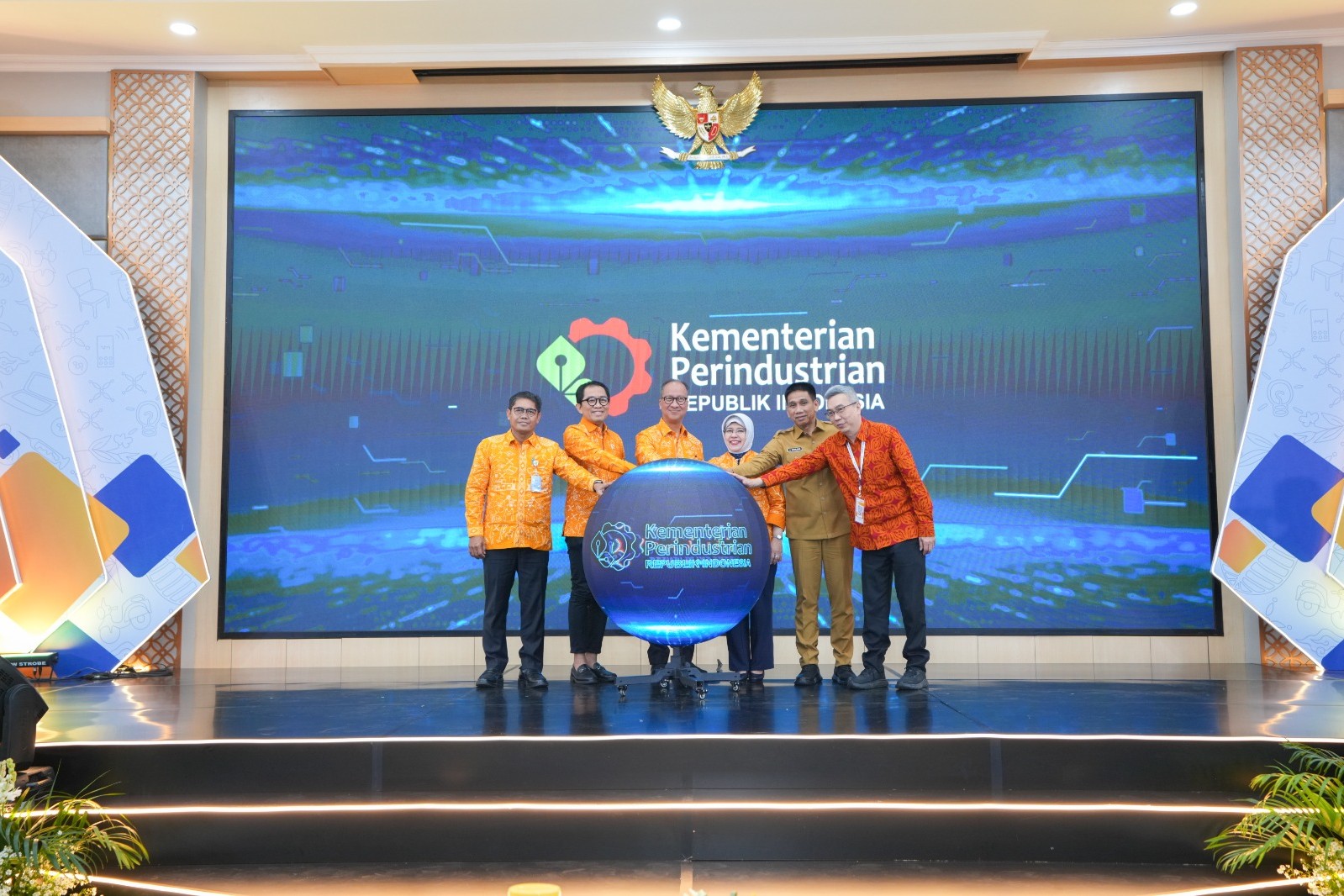
The Ministry of Industry (Kemenperin) strengthened the implementation of the Domestic Component Level (TKDN) policy by socializing technical guidelines for calculating TKDN values for industrial goods and services during the Business Matching Produk Dalam Negeri 2025 event in Jakarta (15/12).
The initiative reflects the government’s continued commitment to promoting the use of domestic industrial products and services as part of its national industrial development strategy.
Government Emphasizes Economic Impact of Domestic Products
Minister of Industry Agus Gumiwang Kartasasmita stated that the Domestic Product Utilization Program (P3DN) plays a strategic role in safeguarding and strengthening the value added of Indonesia’s manufacturing industry. He said the use of domestic products is an important instrument to deepen industrial structures and reinforce upstream and downstream linkages.
“Studies show that every Rp1 spent on domestic products generates an economic impact of up to Rp2.2. This finding confirms that the use of domestic products delivers significant and sustainable multiplier effects on national economic growth,” Agus said during the event.
Legal Basis and Objectives of TKDN Calculation Rules
Head of the Domestic Product Utilization Enhancement Center (P3DN) Heru Kustanto explained that the technical guidelines are mandated by Minister of Industry Regulation No. 35 of 2025. Articles 13 and 17 of the regulation grant authority to the Secretary-General of Kemenperin to determine procedures for calculating TKDN values for industrial goods and services.
“These technical guidelines are designed to provide certainty, uniformity, and transparency in the TKDN calculation process, serving as a clear reference for business actors, independent verification institutions, and all stakeholders,” Heru said.
TKDN Calculation for Industrial Goods and Services
Heru explained that TKDN calculation for industrial goods is based on three main components: direct materials weighted at 75 percent, direct labor at 10 percent, and indirect factory costs at 15 percent. These components must be supported by documentation reflecting domestic investment and production activities.
“The calculated components include direct materials, direct labor, and indirect factory costs that reflect domestic investment and production activities, whether carried out in-house or through cooperation with other industrial companies,” he said.
Kemenperin also provides additional TKDN value of up to 20 percent derived from a company’s intellectual capability, including investment in research and development, the existence of R&D divisions and programs, and the application of R&D results in production processes.
For industrial services, TKDN is calculated by comparing domestic industrial service costs to total service costs, which include labor, work tools or facilities, and general services. Indonesia currently has 71 Indonesian Standard Industrial Classification (KBLI) codes for industrial services grouped into 12 categories, ranging from industrial engineering and construction to research, maintenance, Industry 4.0 support services, and creative content. The results are formalized through the issuance of an Industrial Services TKDN Certificate by the Ministry of Industry.
PHOTO: MINISTRY OF INDUSTRY
This article was created with AI assistance.
Read More