





 Tuesday, 29-09-26








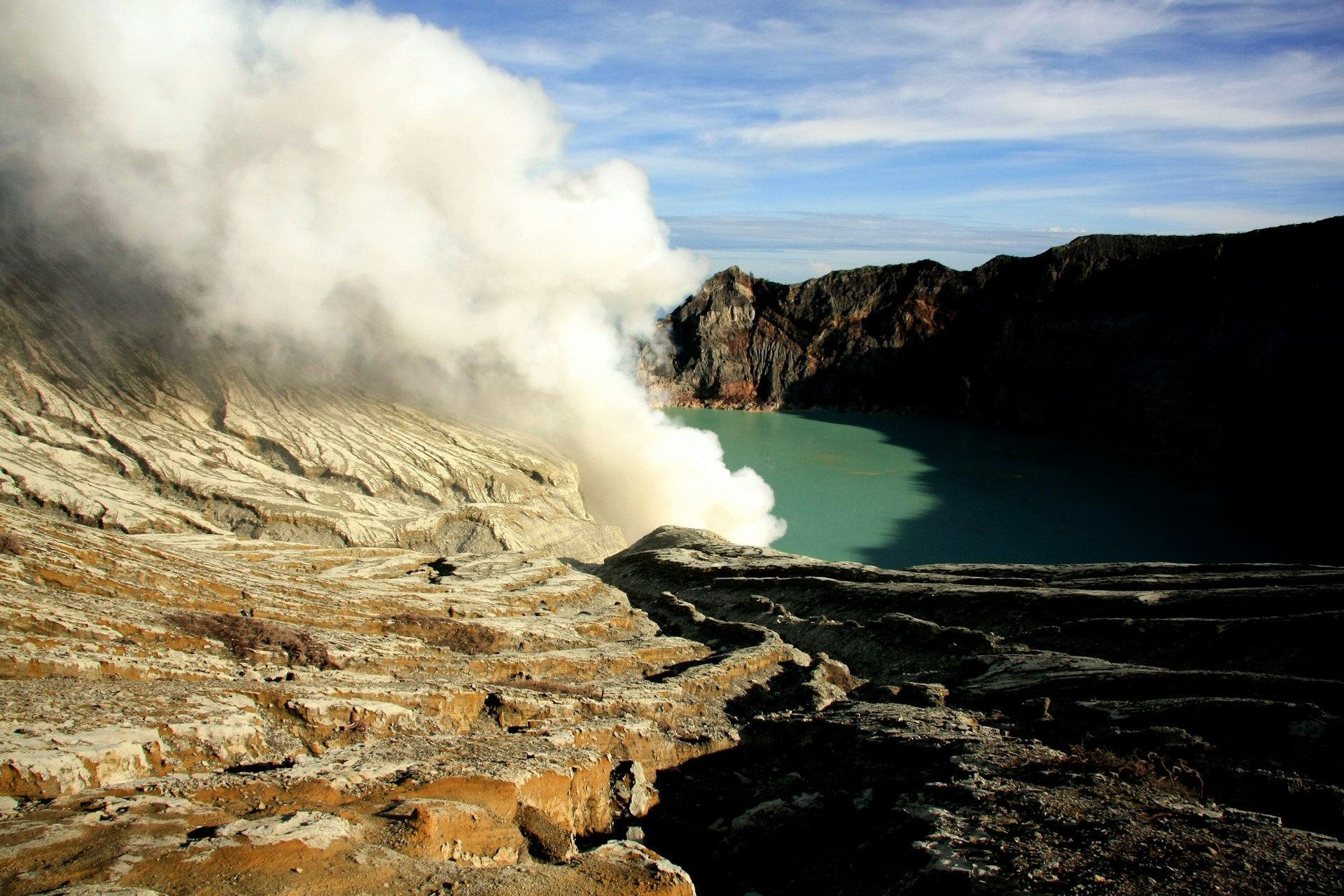
Global energy markets are undergoing a quiet but powerful shift. While solar panels and wind turbines often dominate headlines, geothermal energy a steady, reliable source of power drawn from the Earth’s heat is emerging as a major player.
From Iceland’s volcanic landscapes to Indonesia’s tectonic hotspots, countries are harnessing underground heat to reduce fossil fuel dependence, strengthen energy security, and power industries around the clock.
Iceland Leads with Geothermal Innovation
Iceland sits atop the Mid-Atlantic Ridge and has fully embraced geothermal energy. Nearly 90% of Icelandic homes are heated using geothermal, and around 30% of the country’s electricity comes from this source.
Geothermal power in Iceland extends beyond heating homes, it fuels greenhouses, outdoor swimming pools, and even beer brewing.
This comprehensive approach has helped Iceland significantly reduce fossil fuel dependency and strengthen its energy independence.
A unique example of this innovation is in Reykjavík, where sidewalks are heated by geothermal pipes, ensuring they remain snow-free year-round. This reflects a combination of geological advantage and deliberate energy planning.
The Philippines Turns Volcanic Heat into Electricity
Located along the Pacific Ring of Fire, the Philippines is now the third-largest geothermal energy producer globally, after the U.S. and Indonesia.
The country relies on geothermal primarily for electricity, which supplies nearly 17% of the national grid.
Major projects such as the Makiling-Banahaw and Tiwi power plants demonstrate that even developing economies can lead in clean energy development when geological conditions allow.
Geothermal capacity also contributes to economic benefits. In the Philippines, geothermal energy offsets the equivalent of 9 million barrels of imported oil annually, reducing both energy costs and environmental impact.
This combination of energy security and export potential positions the Philippines as a key player in Southeast Asia’s decarbonization efforts.
The United States: Untapped Geothermal Potential
The U.S. is the world’s largest geothermal producer, but most activity is concentrated in California, Nevada, and Utah.
The Geysers complex north of San Francisco produces more electricity than any other geothermal field in the world.
Despite this scale, widespread adoption has been slowed by high upfront drilling costs and policy inertia.
However, technological advances are beginning to unlock new opportunities. Enhanced geothermal systems (EGS) can potentially access heat in rock formations that were previously untappable.
According to the Department of Energy, if these technologies scale successfully, geothermal could provide over 8% of U.S. electricity by 2050.
Kenya and Indonesia Harness Geothermal for Growth
Kenya leads Africa in geothermal development, producing over 40% of its electricity from underground heat. The Olkaria complex, located within a national park, is one of the world’s largest geothermal plants.
Geothermal provides a reliable alternative to hydropower, which can be vulnerable to droughts, demonstrating that geothermal is a leapfrog technology for emerging markets.
Some geothermal facilities in Kenya are co-located with wildlife reserves, proving that energy development can coexist with ecological preservation when carefully planned.
Indonesia, home to more than 40 active volcanoes, is the second-largest geothermal producer globally and plans to triple its geothermal output by 2030.
Rising energy demand, heavy reliance on coal, and commitments to cut emissions have driven this expansion, attracting international investment.
Challenges remain, including permitting delays, high upfront costs, and the logistical complexity of remote locations.
Nevertheless, Indonesia’s geothermal reserves could generate 29 gigawatts, enough to power over 25 million homes.
Turkey and New Zealand Expand Geothermal with Innovation
Turkey, often overlooked in global renewable energy headlines, is Europe’s top geothermal electricity producer.
Its Aegean region, particularly around Denizli and Aydın, hosts numerous high-temperature wells.
Over the past 15 years, Turkey has increased geothermal capacity tenfold, using it as an economic stimulus and a tool to reduce energy imports.
Geothermal plants also power greenhouses, textiles, and city heating, creating thousands of jobs in the process.
In New Zealand, geothermal use has a long cultural history with the Māori people, who traditionally used geothermal springs for cooking and bathing.
Today, modern geothermal plants, especially in the Taupō Volcanic Zone, feed the national grid while maintaining environmental and cultural balance.
Plants like Wairakei and Ngā Awa Pūrua are co-managed with local iwi (tribes), demonstrating that geothermal energy can be developed ethically and sustainably.
PHOTO: UNSPLASH
This article was created with AI assistance.
We make every effort to ensure the accuracy of our content, some information may be incorrect or outdated. Please let us know of any corrections at [email protected].
Read More