





 Tuesday, 29-09-26








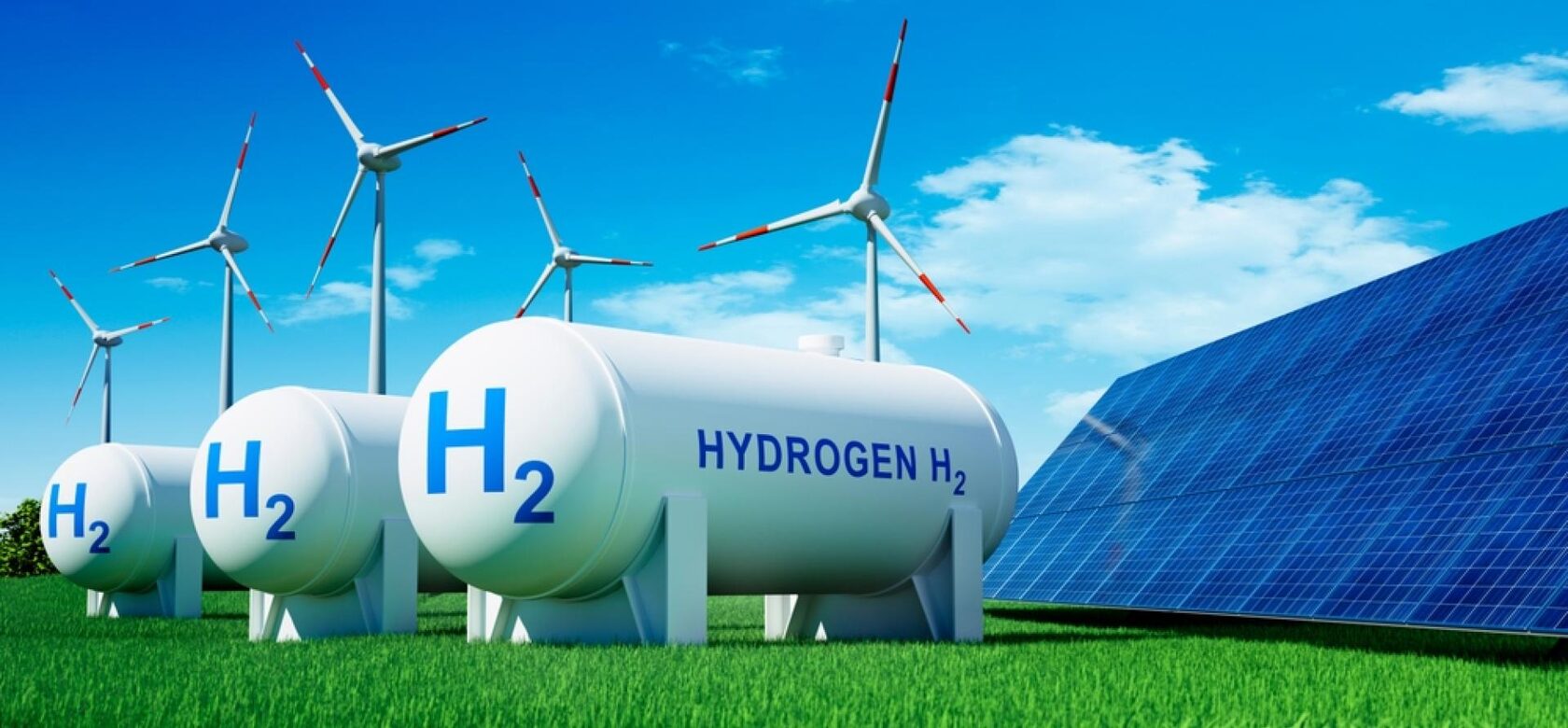
Indonesia is intensifying its commitment to renewable energy by advancing hydrogen ecosystem development in partnership with Japan, marking a significant milestone in Asia’s sustainable energy transition. This collaboration — underscored by joint strategic roadmaps, shared technology expertise, and financial cooperation — is not only designed to decarbonize Indonesia’s energy landscape but also to foster industrial growth, strengthen energy security, and position the nation as a future hydrogen exporter.
The Indonesian government, through its Ministry of Energy and Mineral Resources, has signaled its intention to develop a national hydrogen value chain, incorporating green hydrogen production, infrastructure build-out, and market demand stimulation. By aligning its domestic strategy with Japanese technological capacities and financing mechanisms, Indonesia is embracing hydrogen as a keystone resource for a low-carbon economy. The partnership has implications for transportation, power generation, industrial processes, and international trade. This article examines why hydrogen matters for Indonesia, how cooperation with Japan supports hydrogen ecosystem development, and how this strategic initiative could reshape the region’s clean energy future.
What Is Hydrogen Ecosystem Development?
Hydrogen ecosystem development refers to the establishment of a comprehensive framework that supports the production, distribution, storage, and consumption of hydrogen as an energy source. Unlike traditional fossil fuels, hydrogen — especially green hydrogen — can be produced using renewable energy sources such as solar, wind, or geothermal power. When produced in this way, the resulting fuel emits minimal greenhouse gases and contributes directly to decarbonization efforts.
A fully functioning hydrogen ecosystem includes multiple components: generation facilities that produce hydrogen, refueling infrastructure for transportation; storage and pipeline logistics; and commercial uses in industrial processes or power generation. For Indonesia, building such an ecosystem means leveraging its abundant renewable resources and integrating them with cutting-edge technologies from global partners — with Japan being one of the most prominent collaborators.
Strategic Drivers Behind Indonesia Japan Cooperation
Aligning National Strategies With Global Climate Goals
Indonesia’s push for hydrogen ecosystem development aligns with its broader clean energy goals. The country has committed to a transition away from carbon-intensive fossil fuels toward more sustainable alternatives as part of its long-term climate commitments. By 2060, Indonesia aims to achieve net zero carbon emissions, and hydrogen is seen as a critical pillar in this transition.
Japan, a global leader in hydrogen research, technology, and infrastructure, brings decades of experience in fuel cell technology and hydrogen utilization. Japanese companies and government agencies, including the Japan International Cooperation Agency (JICA), are supporting Indonesia’s hydrogen agenda by providing financing, technical expertise, and cooperation frameworks that can spur rapid development.
The Indonesia-Japan hydrogen partnership roadmap outlines practical phases for implementation, with early phases focusing on regulatory readiness and infrastructure planning, followed by integration and acceleration phases through 2060. By blending capital with operational know-how, the partnership seeks to create a robust hydrogen value chain that is economically viable and globally competitive.
Fueling Energy Security And Economic Growth
Hydrogen’s potential goes beyond environmental benefits. For Indonesia, diversifying the energy mix with hydrogen helps reduce dependency on imported fossil fuels and strengthens national energy security. Domestic hydrogen production can support a range of sectors, from industry and transportation to power generation, creating new economic opportunities and jobs.
Collaboration with Japan accelerates this process by making advanced technologies more accessible and financially feasible. Projects that integrate Japanese engineering and operational models help reduce investment risks, attract private capital, and accelerate the commercialization of hydrogen technologies.
Enhancing Export Potential And International Trade
Building a domestic hydrogen ecosystem positions Indonesia as a potential exporter of green hydrogen and hydrogen-derived products such as green ammonia. As global demand for clean energy sources rises, especially in countries seeking low-carbon alternatives, Indonesia’s hydrogen exports could become a strategic lever in international trade. Japan — with its early adopter status in hydrogen economies — could also become a key off-taker for Indonesian hydrogen or partner with Indonesia to supply other regional markets.
Core Components Of Hydrogen Ecosystem Development
Establishing a hydrogen ecosystem requires integrated efforts across production, infrastructure, and market systems. For Indonesia, cooperation with Japan helps accelerate each of these components:
Renewable Energy-Driven Hydrogen Production
Green hydrogen — produced by electrolyzing water using renewable electricity — represents the most sustainable form of hydrogen. Indonesia’s abundant potential for solar, wind, and particularly geothermal energy makes it an ideal candidate for producing green hydrogen at scale. Leveraging renewable sources ensures that hydrogen production itself remains carbon neutral, reinforcing the environmental case for hydrogen.
In partnership initiatives, Japanese technology firms and energy agencies provide expertise in developing efficient production facilities and managing operational challenges. This collaborative approach enhances scalability and helps reduce production costs over time, making hydrogen competitive with traditional fuels.
Infrastructure And Supply Chains
Hydrogen infrastructure — including refueling stations, storage facilities, and transport networks — forms the backbone of the ecosystem. Building this infrastructure requires significant investment and planning. Through cooperation with Japan, Indonesia gains access to project financing and technical integration models that have been refined in Japanese hydrogen projects.
Transport networks will be essential for distributing hydrogen to industrial centers and export terminals. Storage solutions — such as high-pressure tanks or pipeline systems — are also necessary to maintain supply reliability. Japanese partnerships can support infrastructure pilots and scale-up plans that bridge current gaps in Indonesian capabilities.
Market Demand Creation and Industrial Integration
A hydrogen ecosystem is incomplete without demand stimulation. This includes encouraging sectors such as manufacturing, transportation, shipping, and power generation to adopt hydrogen technologies. For example, hydrogen fuel cells are gaining traction in heavy industries and public transport, offering a clean energy alternative to diesel or gas.
Policies that incentivize industrial adoption, such as tax credits, subsidies for clean technology deployment, and regulatory frameworks promoting hydrogen integration, will be key. Indonesian policymakers, with guidance from Japanese partners, are exploring frameworks to encourage early market participation and industry uptake.
Challenges And Policy Considerations
Despite the promise of hydrogen ecosystem development, several challenges must be addressed:
High Production Costs And Technology Barriers
Green hydrogen production remains expensive compared to fossil fuels or even other renewable sources. Cost components such as electrolyzers and renewable infrastructure contribute to higher capital expenditure. Partnerships with Japan help mitigate some of these barriers by sharing technology and financing risk, but long-term cost reduction strategies are still needed.
Public-private cooperation in research and development, as well as economies of scale through larger production facilities, will be crucial in making hydrogen more cost competitive. As global markets mature and technology improves, production costs are expected to decline.
Regulatory And Institutional Frameworks
Coordinating policy frameworks across multiple government ministries and regulatory bodies is necessary to support hydrogen ecosystem development. Clear regulations on production standards, infrastructure requirements, safety protocols, and export guidelines are essential for investor confidence.
Indonesia’s government is working to align these frameworks under its clean energy transition goals, but continuous policy refinement is needed to ensure seamless implementation. Collaboration with Japanese agencies — known for structured regulatory environments — provides a benchmark for policy evolution.
Scaling Market Demand
Creating robust demand across sectors requires incentives, business models that demonstrate clear financial benefit, and public awareness of hydrogen benefits. Education campaigns, pilot projects, and integration into industrial strategies can help grow adoption. Scaling market demand will help justify further investment and accelerate the hydrogen value chain’s maturity.
The Road Ahead: From Pilot Projects To Commercial Scale
Indonesia’s cooperation with Japan marks an important step toward hydrogen ecosystem development that is both environmentally responsible and economically strategic. The phased roadmap — beginning with infrastructure planning and progressing toward sustainability and export scaling through 2060 — provides a multi-decade vision that combines national ambition with international technological support.
While challenges remain, the strategic alignment of public policy, private sector innovation, and international cooperation creates an optimistic outlook for Indonesia’s hydrogen future. In a region characterized by rapid economic growth and heightened environmental commitments, Indonesia’s hydrogen ecosystem stands to become a reference model for emerging market clean energy transitions.
Read More