





 Tuesday, 22-09-26








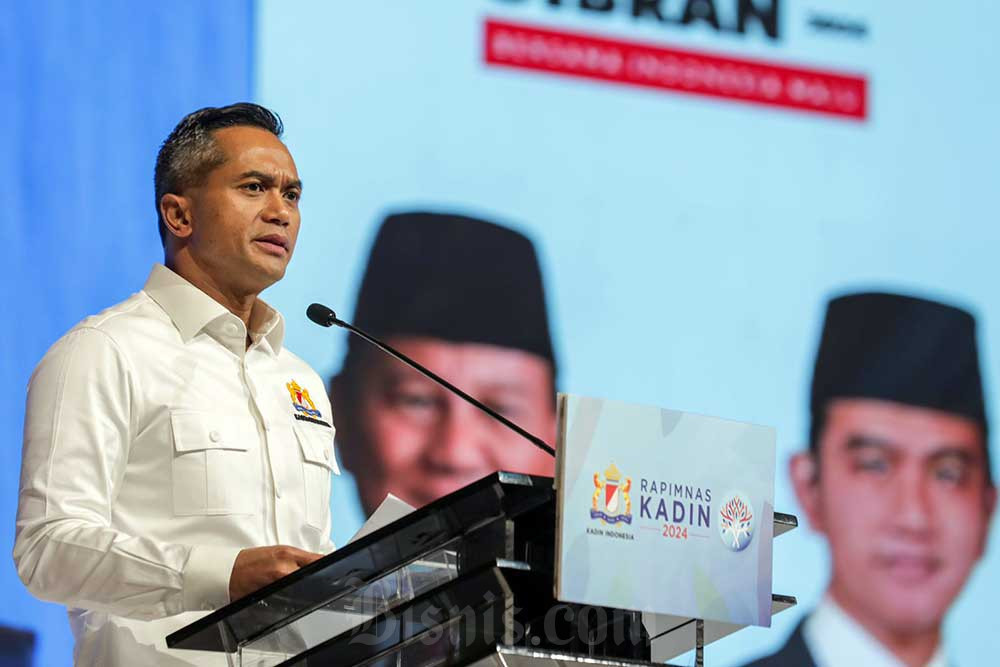
Indonesia India trade growth captures attention as Kadin sets sights on a staggering Rp832 trillion target, signaling robust economic ties between two Asian powerhouses. This ambitious projection builds on recent surges, with bilateral exchanges already crossing key milestones amid shared goals for deeper integration. Business leaders highlight untapped potential in commodities, manufacturing, and services, positioning this partnership as a cornerstone for regional prosperity.
Key Drivers Behind Rapid Expansion
Indonesia India trade growth accelerates through complementary economies, where Indonesia supplies palm oil, coal, and minerals while India offers refined petroleum, chemicals, and machinery. Recent data shows trade volumes climbing from around $26 billion in 2022 to nearly $30 billion in 2023-24, fueled by stable demand and fewer barriers. Kadin's strategy emphasizes non-oil sectors like agriculture and textiles, aiming to balance the ledger currently tilted toward Indonesian exports.
Investments play a pivotal role, with Indian firms eyeing Indonesia's vast market of 270 million consumers and strategic location. Joint ventures in food processing and renewables promise mutual gains, supported by eased visa norms and digital trade pacts. This momentum reflects broader ASEAN-India dynamics, where Indonesia leads as the top partner post-Singapore, drawing on historical cultural links for trust-based deals.
Challenges like fluctuating commodity prices persist, yet proactive measures such as local content rules and skill-sharing programs mitigate risks. The Rp832 trillion vision, roughly $50 billion USD equivalent, underscores confidence in sustained double-digit yearly increases through 2030.
Strategic Sectors Fueling Bilateral Momentum
Agriculture dominates Indonesia India trade growth, with Indonesian palm oil and spices meeting India's processing needs, while Indian rice and sugar find ready markets. In 2024, agro-exports alone topped $10 billion, with projections for further hikes via certified sustainable supply chains. Energy exchanges thrive too, as Indian refineries import Indonesian crude, fostering long-term offtake agreements.
Manufacturing emerges as a bright spot, with Indian auto parts and electronics complementing Indonesia's assembly hubs. Pharmaceuticals see India exporting generics worth hundreds of millions, addressing healthcare gaps in the archipelago. Digital economy ties strengthen, with e-commerce platforms bridging MSMEs on both sides for cross-border sales in fashion and handicrafts.
Infrastructure collaboration rounds out priorities, from Indian funding for Indonesian ports to joint EV battery projects leveraging nickel reserves. These sectors not only drive Indonesia India trade growth but also create jobs, with estimates of thousands added annually through expanded facilities.
Investment and Policy Synergies
Indonesia India trade growth benefits from aligned policies, like Indonesia's downstreaming push meeting India's make-in-India initiative for value-added exchanges. Comprehensive Economic Partnership Agreement talks gain traction, targeting zero tariffs on 80% of goods to unlock $20 billion more in flows. Kadin's role proves vital, organizing business matching events and advocacy for faster clearances.
Foreign direct investment flows modestly but steadily, with Indonesia ranking high for Indian outbound capital in mining and consumer goods. Reciprocal greenfield projects in solar manufacturing signal diversification beyond resources. Both nations prioritize sustainability, aligning on carbon credits and green hydrogen to future-proof partnerships.
Geopolitical stability enhances appeal, as supply chain shifts from China favor reliable duo like these. Policy tweaks, such as rupee-rupiah settlements, cut forex costs, boosting small traders.
Future Prospects and Challenges Ahead
Sustaining Indonesia India trade growth demands navigating logistics hurdles and skill mismatches, yet tech like blockchain for traceability offers solutions. By 2027, experts foresee EVs and semiconductors joining the mix, with Indonesia's rare earths pairing with India's chip design prowess. Kadin's Rp832 trillion target feels achievable with concerted efforts in standards harmonization and dispute resolution.
Youth demographics on both sides promise dynamic consumer bases, spurring demand for education exchanges and tourism recovery. Climate resilience initiatives, from flood-resistant crops to disaster tech, deepen bonds. Ultimately, this trajectory elevates Indonesia's global trade profile while diversifying India's import basket.
As deadlines approach, momentum builds toward the $50 billion mark originally eyed for 2025, now extending ambitiously. Stakeholders celebrate milestones like record monthly trades, confident in resilience against global headwinds. Indonesia India trade growth thus paints an optimistic canvas for shared prosperity.
Read More