





 Wednesday, 23-09-26








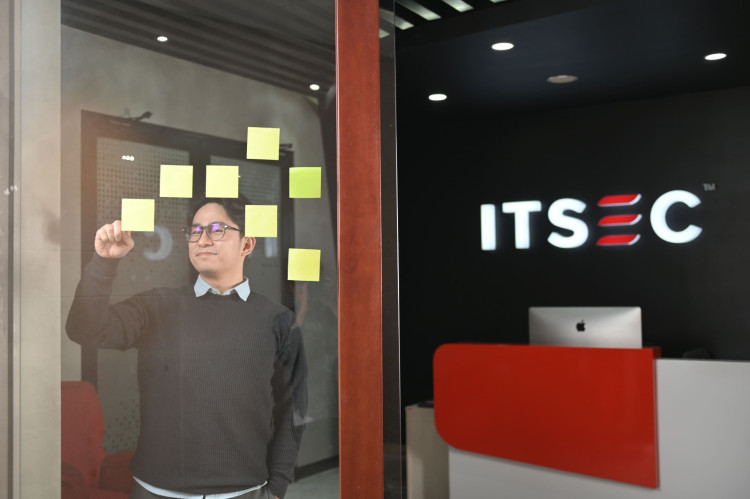
ITSEC Asia, trading under the ticker CYBR, has announced a regional expansion into Qatar that targets high-value sectors such as banking and oil and gas. The move reflects a broader strategy to convert recent revenue momentum into international growth by selling managed security services, operational technology security, and threat intelligence solutions centered on its Intellibron platform into the Middle East market. This article explains why Qatar is strategic for ITSEC Asia, what the company brings to the market, the opportunities and risks, and what regional customers can expect.
Why Qatar Is a Strategic Market for ITSEC Asia
Qatar offers several attractive features for cybersecurity expansion. It has a well-capitalized banking sector, major energy and petrochemical assets, and ambitious digital transformation programs tied to national economic plans. These industries are high-value targets for cyber attackers and therefore willing to invest in advanced managed security services. For a growing vendor like ITSEC Asia, entering Qatar means access to larger deal sizes and long-term contracts with enterprises that prioritize security investments.
What ITSEC Asia Brings: Intellibron and Managed Security
ITSEC Asia’s commercial strength derives from Intellibron, its AI-driven threat intelligence and detection platform, plus an expanding set of managed security services that include OT security for industrial environments. Intellibron’s AI capabilities and telemetry aggregation allow the company to offer proactive detection, faster incident response, and customizable threat feeds for regional customers. That technology package is specifically relevant to sectors like banking and energy where both IT and OT environments must be defended in tandem.
Market Opportunity and Customer Demand
Qatar’s financial institutions and energy companies are increasingly prioritizing cybersecurity in procurement and regulatory compliance, creating strong demand for vendors that can demonstrate both technical depth and local support. ITSEC Qatar expansion positions the company to serve those requirements through regional partnerships, local presence, and service-level guarantees. The company’s recent revenue growth and improved margins give it a credible commercial story to present to prospective clients.
Commercial Strategy: Partnerships, Local Presence, and Service Delivery
To win business in the Middle East, ITSEC Asia plans to combine direct presence with local channel partnerships and service hubs. Regional customers often prefer vendors that can provide on-the-ground response, local language support, and compliance with local data residency rules. By setting up regional operations or partnering with established local integrators, ITSEC aims to shorten sales cycles and deliver managed detection and response services that meet local regulatory and operational needs.
Financial Rationale and Growth Trajectory
ITSEC Asia’s financial performance has shown strong year-on-year growth, improving its balance sheet and enabling reinvestment into international expansion. Management argues that moving into higher-margin enterprise segments and geographies will accelerate revenue diversification. However, international expansion also requires upfront investments in business development, certifications, and local staffing, which can temporarily compress margins before scale is achieved. Investors will watch how quickly new regional contracts convert into recurring revenue streams.
Operational Challenges and Risk Factors
Expanding into Qatar entails operational and commercial risks. These include regulatory complexity, the need to adapt solutions to local protocols and standards, heightened competition from established global cybersecurity vendors, and geopolitical considerations that can affect cross-border service delivery. Additionally, serving oil and gas clients requires specialized OT security expertise and strict safety and compliance controls. ITSEC must also manage execution risk as it scales managed service operations across time zones.
Competitive Landscape and Differentiation
Global vendors dominate enterprise cybersecurity, but regional customers increasingly value vendors that combine advanced analytics with local market knowledge. ITSEC Asia differentiates by positioning Intellibron as an AI-enhanced threat intelligence product tailored for targeted sectors and by emphasizing OT security capabilities. The company’s documented revenue growth and recent participation in regional events and summits suggest a deliberate effort to build brand recognition in the Middle East. Success will hinge on demonstrating measurable outcomes, such as reduced dwell time and improved incident response for critical infrastructure.
Recommendations for Buyers in Qatar
Procurement teams in banking and energy should evaluate vendors on three dimensions: technical capability, compliance readiness, and local operational support. For mission critical OT environments, independent third-party validation and pilot deployments are essential before wider rollout. Buyers should also demand transparent SLAs, data handling commitments, and a clear roadmap for integrating threat intelligence into existing security operations centers. These steps reduce implementation risk and ensure the vendor’s tools deliver practical security improvements.
Outlook: Measured Expansion With Upside Potential
If ITSEC Qatar expansion is executed with pragmatic local partnerships and a focus on measurable security outcomes, the move can unlock materially larger contracts and elevate the company’s regional profile. The Middle East presents a meaningful growth corridor for managed security services, but success will require patient execution, regulatory acumen, and investments in local delivery capabilities. For investors and customers, the key signals to watch are early contract announcements, local hires, and pilot outcomes that validate Intellibron’s value in production environments.
Read More