





 Sunday, 20-09-26








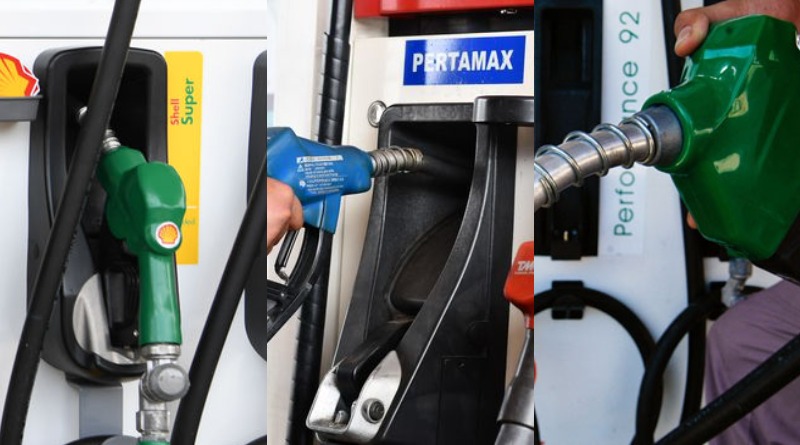
Shell has officially resumed sales of RON 92 gasoline at selected Shell service stations across Indonesia, a move that marks a visible step toward normalizing supply for private fuel retailers after months of constrained inventories and shifting consumer demand. Shell Super, the company’s RON 92 offering, is now appearing again at multiple outlets in Jakarta and other key regions, easing pressure on motorists who had been hunting for non-subsidized fuel options.
The return of Shell RON 92 is important for consumers, retailers, and market watchers for several reasons. First, RON 92 is a widely used grade for everyday vehicles and its availability affects routine mobility costs for many Indonesians. Second, private fuel brands like Shell play a complementary role to state-owned Pertamina in the retail landscape; when private supply tightens, the whole retail market can feel the shock. Third, price adjustments and restocking patterns offer an early signal of how supply chains and wholesale arrangements are settling after recent disruptions.
Why Shell RON 92 Reappeared Now
At the core of the recent stock tension were supply constraints and regulatory limits on private fuel imports that left some private retailers short of base fuel. Discussions between the government and private distributors have been ongoing, and around early December Shell Indonesia confirmed the progressive availability of Shell Super (RON 92) at a number of stations following supply coordination efforts. The resumption indicates that either direct supply channels have been restored or that inventory allocations between major suppliers and private retailers were adjusted.
Price Snapshot: What Consumers Pay Today
Shell’s published regional pricing shows Shell Super (RON 92) listed at approximately Rp13,000 per liter in major areas such as Jakarta, Banten, and parts of Java as of the latest price update. That figure is consistent across several private retail brands that adjusted their retail prices at the start of December. For motorists, the headline number matters, but so do local variations by station and region.
Availability By Region And Station Counts
The rollout has been gradual. Official counts and media monitoring on the day Shell reintroduced RON 92 reported dozens of Shell stations in Jakarta alone offering Shell Super, with other clusters in Banten and East Java coming online as distribution caught up. Industry updates suggested that roughly a hundred or so Shell service stations were selling RON 92 in the early phase of the reintroduction, though that number can change quickly as stock moves. Retailers often prioritize high-traffic urban stations first to meet immediate demand.
What This Means For Consumers And Fleets
For individual drivers, easier access to Shell Super can reduce uncertainty around daily commuting costs and make refuelling more predictable. For commercial fleets and delivery services, the return of a stable RON 92 supply improves route planning and cost forecasting. Because private fuel is unsubsidized, price sensitivity remains high; any future volatility in RON 92 price will influence consumer behavior and potentially shift demand between subsidized and unsubsidized channels where applicable.
Market Dynamics And Competitive Reactions
Competitors such as BP and Vivo have also adjusted pricing and availability in recent weeks, creating a near-synchronous market reset among private retailers. Analysts say this is partly a response to both demand shifts and coordinated pricing strategies that reflect wholesale cost changes. When multiple brands move in step, consumers gain a clearer sense of market equilibrium, even if regional differences persist.
Supply Chain, Policy, And The Role Of Pertamina
Behind the headlines are the logistics and policy levers that determine how private retailers secure base fuels. The government has been actively engaging with private distributors to avoid supply bottlenecks. Pertamina, as the dominant national supplier, has a central role in managing import quotas and smoothing flows to private partners when necessary. The recent easing suggests that either quota adjustments or commercial agreements were reached to allow more consistent deliveries to brands like Shell. Analysts will watch closely for formal statements on quotas and partnerships.
How To Read Price Signals Going Forward
Price changes at the pump reflect international crude and refined product costs, domestic logistics, and policy constraints. For now, the Shell Super price point near Rp13,000 per liter is the current reference for RON 92 at many Shell stations. That price is likely to remain sensitive to global movements and to local allocation decisions. Consumers monitoring costs should watch weekly price bulletins from retailers and official updates from distributors.
Practical Tips For Consumers Today
If you are shopping for fuel, consider these practical steps: check Shell’s station locator or local station signage for Shell Super availability, compare prices across nearby private retailers, fill up earlier in the day when deliveries arrive, and track weekly bulletins from major fuel brands. For fleet managers, maintain communication with your preferred supplier to secure predictable deliveries and consider diversifying refuelling options to mitigate short-term supply gaps.
Outlook: Stabilization Or Continued Flux?
The immediate outlook is cautiously optimistic. The reintroduction of Shell RON 92 is a concrete sign that short-term supply issues are being addressed. However, structural constraints on private imports and potential spikes in demand mean the market may still see periodic regional shortages or price adjustments. Observers will monitor government-industry talks and weekly retail price changes as leading indicators of longer term stability.
Conclusion
Shell’s return to selling RON 92 offers practical relief to drivers and a benchmark for the broader private fuel market. Price transparency and steady availability will be key to restoring confidence. Consumers and fleet operators should stay informed via official retailer notices and industry reporting, and policymakers must continue to supervise allocation mechanisms to avoid repeating the recent disruptions.
Read More