





 Friday, 25-09-26








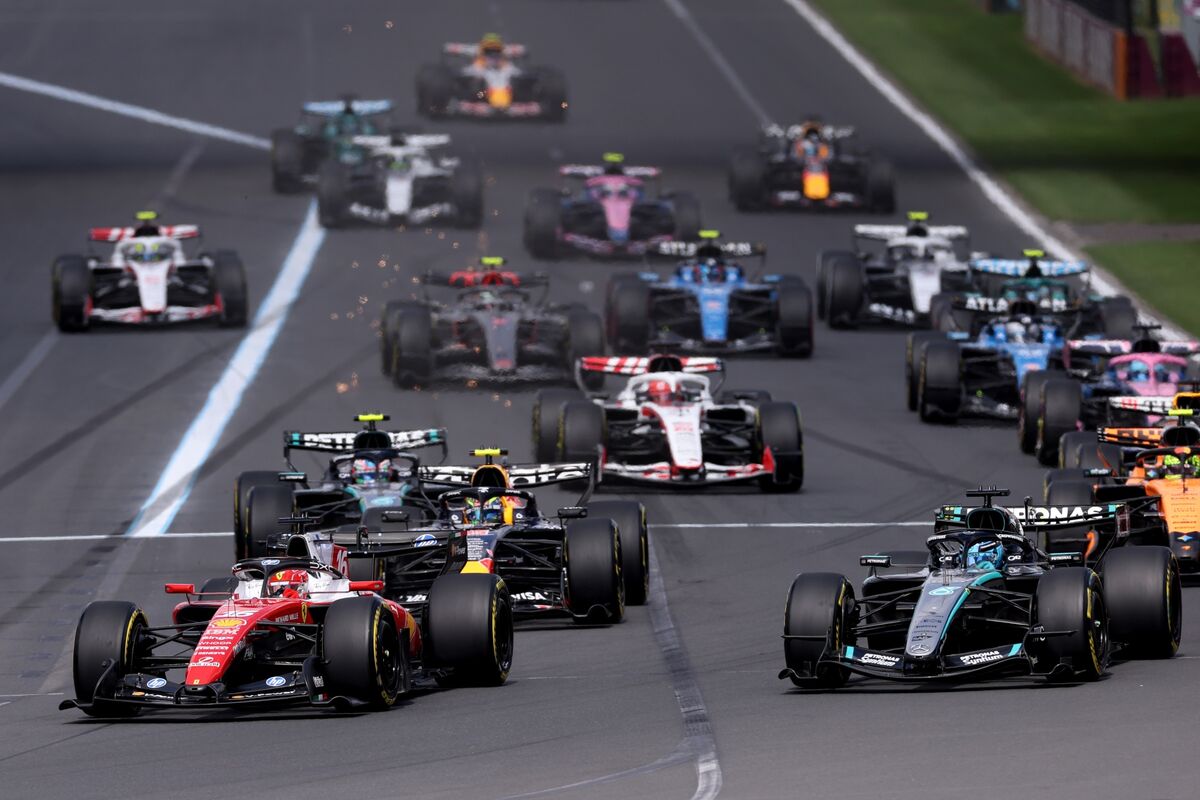
The global motorsport industry could soon witness a historic shift as Chinese electric vehicle giant BYD explores the possibility of entering Formula One racing. If the plan materializes, it would mark the first serious attempt by a Chinese automaker to compete directly in the most prestigious motorsport championship in the world. The potential BYD Formula One entry reflects both the company’s rapid global expansion and the changing technological landscape of racing.
For decades, Formula One has been dominated by European manufacturers and teams. Brands such as Ferrari, Mercedes, McLaren, and Renault have shaped the sport’s identity and technological innovation. However, the rapid rise of Chinese electric vehicle manufacturers is challenging that long standing hierarchy. BYD Formula One ambitions highlight how the global auto industry is evolving as electric mobility and hybrid technologies become increasingly central to motorsport development.
The potential move also demonstrates how automotive companies now view motorsport not only as a technological testing ground but also as a powerful global marketing platform.
Why BYD Is Considering Formula One
BYD’s exploration of a Formula One program comes at a time when the company is experiencing extraordinary growth worldwide. Founded in 1995 as a battery manufacturer, BYD has transformed itself into one of the largest electric vehicle producers globally and a major competitor to Tesla in the EV market. BYD has become the world’s leading seller of new energy vehicles and continues expanding into Europe, Latin America, and other key automotive markets.
Despite this success, the company still faces a major challenge in building a strong global brand image. Motorsports have historically played a crucial role in shaping automotive reputation. Companies such as Ferrari and Porsche built their prestige through racing success before translating that technological expertise into road cars.
A BYD Formula One program could serve a similar purpose. According to industry reports, the company is exploring multiple pathways into motorsport, including participation in the World Endurance Championship or directly entering Formula One through a team acquisition or new team entry.
Entering Formula One would significantly increase global awareness of the BYD brand, especially in the United States where the company currently does not sell passenger vehicles due to tariffs and market restrictions.
The sport itself is also experiencing a major surge in global popularity. The expansion of races in the United States and the success of the Netflix documentary series about Formula One have dramatically increased international viewership and fan engagement. As a result, joining the championship could offer BYD a highly visible global platform.
However, launching a BYD Formula One team would not be easy. The cost of developing and operating a competitive F1 program can exceed 500 million dollars per season. Such a financial commitment requires long term strategic planning and deep engineering resources.
The Technology Connection Between EVs And Formula One
Another key reason behind BYD Formula One ambitions lies in the technological evolution of the sport itself. Modern Formula One cars already rely heavily on hybrid power systems that combine internal combustion engines with powerful electric motors.
In fact, upcoming regulations for the 2026 Formula One season will significantly increase the role of electric power in racing vehicles. The updated power unit rules will expand battery capacity and boost the output of the electric motor system.
This shift makes Formula One increasingly relevant for companies specializing in electric mobility and battery technology. BYD, with its extensive experience in electric drivetrains, battery engineering, and hybrid systems, could potentially translate its road car innovations into motorsport development.
The company’s high performance vehicle technologies also demonstrate its growing engineering capabilities. One example is the Yangwang U9 supercar developed by BYD’s premium brand. The vehicle uses four independent electric motors and produces more than 1,200 horsepower.
High performance electric technology like this could provide a foundation for future racing development. Although Formula One still relies on hybrid engines rather than fully electric systems, the increasing electrification of the sport aligns well with BYD’s technological expertise.
In addition, participation in motorsport often accelerates innovation in areas such as aerodynamics, lightweight materials, energy recovery systems, and advanced battery performance. These innovations frequently trickle down into consumer vehicles.
For BYD, Formula One could therefore function as both a research platform and a brand building opportunity.
Challenges Facing A BYD Formula One Entry
Despite the potential benefits, a BYD Formula One program would face several significant obstacles. One of the biggest challenges is the resistance from existing teams. Formula One operates under a revenue sharing model, meaning new teams dilute prize money distributed among current competitors.
Because of this structure, established teams often oppose new entrants unless they bring significant commercial value to the championship. Even large manufacturers have historically struggled to gain approval for entry.
Another major challenge is the financial cost. Developing a Formula One car requires advanced engineering facilities, highly specialized personnel, and years of research. Even under the sport’s budget cap regulations, the investment required to launch a competitive program remains enormous.
There is also the question of experience. Many successful Formula One teams rely on decades of accumulated motorsport expertise. BYD, while technologically advanced in the EV sector, does not yet have a deep motorsport heritage comparable to established racing manufacturers.
One potential solution would be acquiring or partnering with an existing team. In recent years, several manufacturers have entered Formula One through acquisitions rather than building entirely new operations. For example, the German automaker Audi joined the championship by acquiring the Sauber team.
A similar strategy could allow BYD to enter the sport more quickly while leveraging existing engineering infrastructure and racing expertise.
The Growing Role Of China In Global Motorsport
The possibility of a BYD Formula One entry also reflects the broader rise of China in global automotive innovation. Chinese companies are rapidly expanding their presence across the global auto industry, particularly in electric vehicles.
China has already become the world’s largest EV market and a leading center for battery technology development. Companies like BYD, Nio, and Geely are pushing aggressively into international markets and challenging traditional automakers.
Motorsport could become the next frontier for this expansion.
China’s presence in Formula One has historically been limited, although interest in the sport has grown significantly in recent years. The return of the Chinese Grand Prix in Shanghai and the emergence of Chinese driver Zhou Guanyu have increased domestic attention toward the championship.
Formula One’s governing body has also expressed openness to welcoming a Chinese manufacturer to the grid. From a commercial standpoint, having a Chinese team could help the sport expand further into the massive Asian market.
If BYD Formula One plans move forward, it could mark a turning point in the globalization of motorsport.
What A BYD Formula One Team Could Mean For The Industry
A BYD Formula One program would have implications far beyond racing. It would symbolize the growing influence of Chinese automotive technology and highlight the shifting balance of power in the global auto industry.
For decades, European and American manufacturers dominated both road cars and motorsport innovation. Today, Chinese companies are rapidly catching up in areas such as battery development, electric drivetrains, and software integration.
Entering Formula One would allow BYD to demonstrate its engineering capabilities on one of the world’s most competitive technological stages.
At the same time, the sport itself is evolving toward sustainability and electrification. Hybrid power units, sustainable fuels, and advanced energy recovery systems are becoming central to Formula One’s future strategy.
In that environment, a technologically sophisticated EV manufacturer could play a significant role.
While no final decision has been made regarding a BYD Formula One entry, the possibility alone highlights how the automotive and motorsport landscapes are changing. Whether through Formula One, endurance racing, or other global competitions, Chinese manufacturers are increasingly determined to prove their capabilities on the world stage.
If BYD ultimately joins the Formula One grid, it would represent more than just a new team. It would signal a new chapter in the global motorsport industry and a powerful statement about the future of automotive innovation.
Read More