





 Sunday, 20-09-26








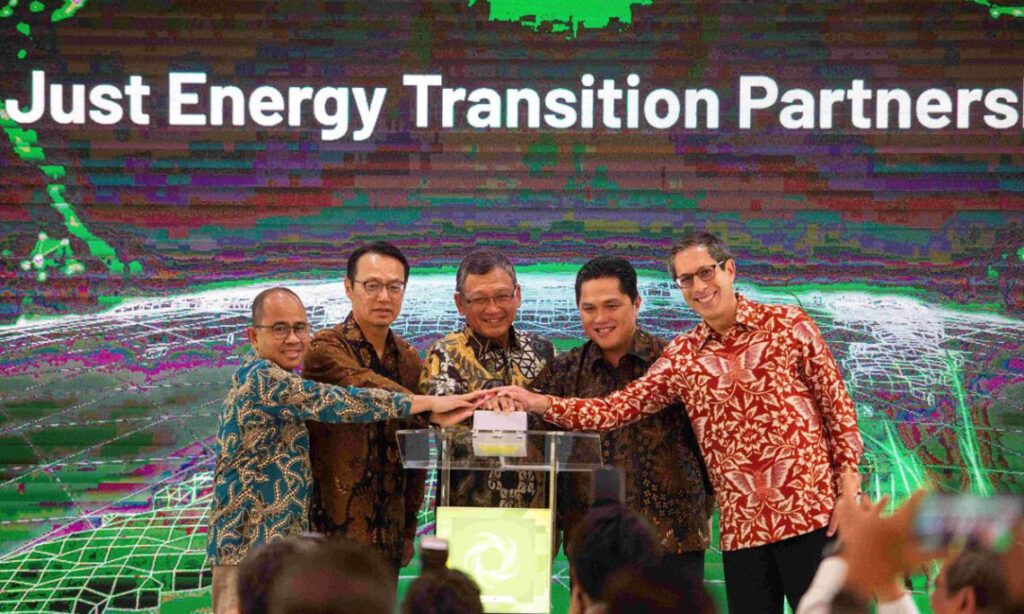
Indonesia MENA energy cooperation has entered a transformative phase as both regions navigate their own energy transition agendas. In 2025, Indonesia intensified its diplomatic and economic engagement with the Middle East and North Africa, aiming to unlock new financing channels, access advanced technologies, and establish long-term industrial partnerships. Simultaneously, many MENA countries are expanding their renewable energy portfolios, diversifying their economies, and positioning themselves as global leaders in green industries. This alignment creates strong momentum for deeper and more structured collaboration.
By examining ongoing developments, emerging opportunities, and strategic recommendations, it becomes clear that Indonesia MENA energy cooperation is evolving into a key pillar of Indonesia’s broader decarbonization and industrial modernization strategy. The partnerships formed today are expected to shape renewable energy deployment, industrial competitiveness, and sustainable development across both regions for years to come.
Evolving Strategic Partnerships Between Indonesia And MENA Countries
Indonesia MENA energy cooperation has grown substantially, driven by major investment commitments, high-level diplomatic exchanges, and cross-border projects. Gulf countries, particularly Saudi Arabia, the United Arab Emirates, and Qatar, have emerged as the most active partners. These nations possess significant financial capacity, strong renewable energy industries, and clear national strategies that embrace clean energy and economic diversification.
Saudi Arabia stands out as a leading partner, with cooperation spanning hydropower, green hydrogen, petrochemicals, and downstream industrialization. The partnership between Pertamina and ACWA Power demonstrates how Indonesia MENA energy cooperation now includes large-scale renewable energy projects with long-term financing structures. These initiatives reflect a growing recognition that Indonesia’s transition requires robust technology transfer, investment in generation capacity, and integrated infrastructure development.
The UAE also plays a central role, particularly through sovereign wealth fund collaboration. With a commitment to co-develop up to 10 gigawatts of renewable energy in Indonesia, the UAE is positioning itself as a cornerstone investor in Indonesia’s clean energy future. This collaboration is strengthened through Indonesia’s sovereign wealth fund, Danantara, which provides institutional mechanisms to manage large-scale investments and ensure their long-term sustainability.
Meanwhile, Qatar has reinforced Indonesia MENA energy cooperation through a four billion dollar co-investment fund targeting renewable energy, downstream industry, and technology. This approach broadens Indonesia’s financing options and creates new opportunities for long-term industrial transformation.
North Africa has also become an emerging partner, with Algeria, Egypt, and Morocco demonstrating interest in strategic cooperation. Algeria’s focus on hydrocarbons, fertilizers, and critical minerals aligns with Indonesia’s industrial priorities, while Morocco’s renewable-powered digital infrastructure highlights new possibilities where clean energy intersects with technology.
Opportunities For Deeper Cooperation In Renewable Energy And Industrial Development
Indonesia’s energy transition roadmap, supported by national policies and long-term climate commitments, creates fertile ground for expanding Indonesia MENA energy cooperation. The country’s target of achieving 34 percent renewable energy in its national mix by 2034 requires significant investment in solar, wind, hydro, and grid modernization. Many of these areas are well aligned with the technological strengths and investment priorities of MENA nations.
Renewable energy development represents one of the strongest areas for collaboration. Floating solar power, wind energy, micro-hydro systems, and smart grid technologies all present scalable opportunities. Indonesia possesses abundant natural resources suitable for these technologies, while MENA partners bring the capital, expertise, and experience required to accelerate deployment.
Industrial transformation also offers promising avenues. As MENA countries pursue large-scale urbanization through national visions and long-term development plans, demand for low-carbon construction materials continues to grow. Indonesia can leverage this opportunity by positioning itself as a supplier of green steel, cement, and other environmentally friendly industrial inputs. This creates a mutually beneficial pathway that connects renewable energy use, industrial modernization, and sustainable construction.
Energy-intensive industries also stand to benefit from Indonesia MENA energy cooperation. Joint investment in low-carbon industrial clusters, supported by clean energy, can strengthen both regions’ competitiveness in global markets. These clusters may include electric vehicle value chains, hydrogen-based industries, and climate-resilient manufacturing.
Additionally, the integration of renewable energy into residential and urban infrastructure, such as through large-scale housing projects supported by MENA partners, opens new opportunities for distributed solar and energy-efficient systems. By embedding renewable energy into new urban developments, Indonesia can strengthen local energy resilience while supporting its national transition goals.
Strengthening Governance, Finance, And Knowledge Exchange For Long-Term Cooperation
To fully harness the potential of Indonesia MENA energy cooperation, institutional frameworks and financing mechanisms must evolve. Danantara plays a critical role in aligning investment pipelines, providing predictable governance structures, and coordinating large-scale renewable energy projects. Expanding the use of Sharia-compliant green financing instruments, such as sukuk and Islamic green bonds, can further increase interest from MENA investors.
Strengthening policy alignment is equally important. Implementing the Renewable Energy Bill, expanding fiscal incentives, and streamlining regulatory processes can enhance investor confidence and speed up project execution. Coordinating these policy measures with national visions across the MENA region ensures that both sides benefit from shared priorities and long-term strategic alignment.
Knowledge exchange is another pillar of sustainable cooperation. Establishing regular policy dialogues, technical workshops, and academic exchanges can help harmonize standards, improve project planning, and enhance institutional capacities. A structured climate cooperation framework would provide long-term coordination and monitoring mechanisms, ensuring that joint initiatives deliver meaningful contributions to emissions reduction and sustainable development.
Finally, diversifying cooperation beyond traditional renewable energy sectors allows Indonesia MENA energy cooperation to grow into a broader green economy partnership. Emerging opportunities include electric mobility, green technology development, nature-based solutions, and sustainable tourism.
A Strategic Partnership Shaping The Future Of Regional Energy Transition
Based on the trends observed across 2025, Indonesia MENA energy cooperation is set to become increasingly strategic, institutionalized, and multi-sectoral. The combination of MENA’s financial strength and renewable energy capabilities with Indonesia’s market size, natural resources, and industrial ambitions forms a powerful foundation. By strengthening policy coherence, expanding financing mechanisms, and deepening technology exchange, both regions can support each other in building resilient, low-carbon economies.
Indonesia MENA energy cooperation is no longer limited to isolated projects; it is evolving into a long-term partnership with the potential to shape sustainable development and the global energy landscape in the coming decade.
Based on Celios Report 2025 - https://celios.co.id/2025-indonesia-mena-energy-transition-cooperation-progress-prospects-and-recommendations/
Read More