





 Tuesday, 20-10-26








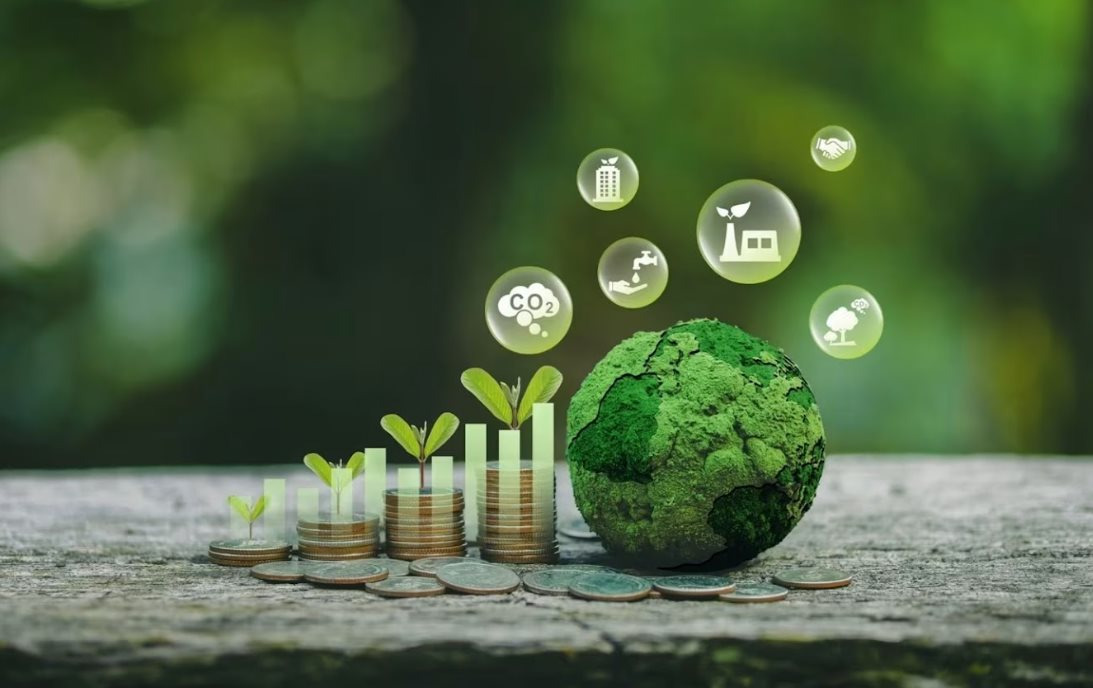
As sustainability becomes a defining element of business strategy in Asia, a new set of challenges is emerging. Schneider Electric’s Green Impact Gap Survey 2025 reveals a persistent divide between companies’ stated sustainability ambitions and the tangible actions they are taking. This misalignment, known as the Green Impact Gap, remains unchanged at 48 percent across Asia, even as economic uncertainty and rising operational costs reshape the priorities of corporate leaders.
The report, based on responses from 4,500 business leaders across nine Asian markets, offers an in-depth look at how companies are progressing, where they are falling behind, and what separates the region’s strongest sustainability performers from the rest. For business readers, the findings underscore a crucial insight: closing the Green Impact Gap is no longer an environmental task alone. It is a strategic imperative tied to competitiveness, cost efficiency, and long-term resilience.
Indonesia Emerges as a Regional Sustainability Leader
Among all surveyed markets, Indonesia stands out as one of the top performers in setting clear decarbonisation targets and implementing comprehensive climate strategies. While the Asia-wide average for progress remains mixed, Indonesian companies show stronger commitments to emissions reduction, digitalisation, and supply chain sustainability.
One-third of Indonesian businesses say their 2030 decarbonisation targets exceed the national benchmark of a 29 percent reduction. At the same time, the report highlights that 70 percent of business leaders in Indonesia anticipate direct impacts from global policies such as the European Union’s Carbon Border Adjustment Mechanism. This external pressure is becoming a catalyst for corporate action.
Yet challenges persist. Many Indonesian companies still face internal budget limitations and market uncertainties. These factors echo broader regional trends and contribute to the continued Green Impact Gap, as organisations struggle to translate commitments into consistent operational steps.
What Is Driving the Green Impact Gap?
The Green Impact Gap reflects a combination of internal and external pressures. According to the survey, economic instability is the most frequently cited barrier to sustainability reporting and investment. Rising costs, fluctuating demand, and geopolitical instability have created an environment where leaders feel compelled to prioritise short-term survival over long-term environmental transitions.
However, the report warns that this approach may be shortsighted. While fewer leaders now view climate change as a major risk, its operational impacts are increasing. Over the past year, 42 percent of businesses reported that climate change disrupted their logistics costs, and 41 percent experienced supply chain disruptions. Sectors such as oil and gas, retail, FMCG, and mining saw the most significant impact.
This disconnect between perceived risk and actual operational consequences is one of the core contributors to the persistent Green Impact Gap.
The Rise of Impact Makers: Lessons from Early Movers
One of the most important insights from the report is the distinction between general companies and a select group called Impact Makers. These are businesses that have already implemented comprehensive sustainability strategies and measurable targets. They represent 48 percent of surveyed companies in 2025.
Impact Makers consistently outperform others in several areas:
• 87 percent are confident they will achieve their 2030 sustainability goals
• 58 percent say reporting is becoming easier, thanks to better data systems
• More than half plan to collaborate with suppliers on sustainability in the next two years
What sets them apart is not just budget or size but mindset. Impact Makers tend to see sustainability as a source of new business opportunities, cost savings, and competitive advantage, rather than a compliance requirement. This shift in perspective drives more proactive investment and long-term planning.
Technology as the Turning Point: AI and Digitalisation Lead the Way
Across all markets, the report highlights an accelerated adoption of technology to support sustainability progress. Digitalisation is the number-one investment priority in Asia, with 45 percent of companies planning to increase spending in this area.
But the most rapid shift is in the use of Artificial Intelligence. The adoption of AI for sustainability grew from 31 percent to 36 percent in just a year, making it the most common technological application. Companies are increasingly using AI for:
• Data collection and automated reporting
• Energy consumption optimisation
• Waste management
• Environmental impact monitoring
Energy optimisation is the top area where businesses see AI generating value, cited by 56 percent of respondents. This aligns with the broader trend of companies adopting tools to improve resource efficiency and reduce operational costs.
However, barriers remain. High implementation costs, limited technical expertise, and cybersecurity concerns continue to slow down AI adoption, especially among SMEs. Even so, large enterprises and data-heavy sectors such as utilities, finance, and cloud services lead the charge.
Closing the Green Impact Gap: What Businesses Must Do Next
The report concludes with three key steps companies should take if they want to reduce the Green Impact Gap and move toward meaningful sustainability outcomes.
Redefine the Approach to Sustainability
Businesses need to move sustainability discussions out of compliance departments and into core strategy meetings. Impact Makers treat sustainability as a driver of innovation, brand value, customer trust, and long-term profitability.
Review the Role of Technology
AI, digital twins, and automated reporting are no longer optional. As regulations tighten and supply chains globalise, companies that fail to invest in digital capabilities risk falling behind competitors who are able to scale faster and respond more proactively to emerging risks.
Reassess Geopolitical and Economic Risks
Economic uncertainty is now a defining factor in corporate decision-making. Companies must evaluate how sustainability investments can create buffers against volatile energy prices, disrupted supply chains, and new global trade rules.
The Road Ahead: Sustaining Business Growth Through Sustainability
The Green Impact Gap remains a challenge, but the report shows clear pathways for progress. Businesses in Asia, especially Indonesia, have demonstrated strong ambition and an increased understanding of sustainability’s commercial value. The rise of the Impact Makers signals a shift in corporate leadership, where environmental action becomes synonymous with strategic advantage.
For companies still navigating their sustainability journey, the message is clear: investment in digital tools, long-term planning, and collaborative supply chain initiatives will be essential to thrive in a global economy shaped by climate risk and technological transformation.
