





 Wednesday, 23-09-26








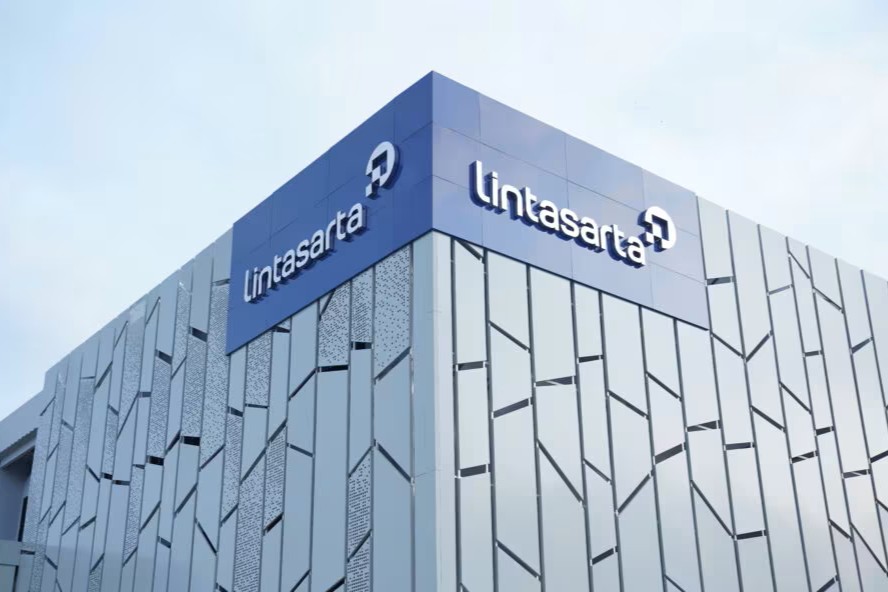
Lintasarta set a target under its #AksiCintaBumi movement to collect 380 kilograms of electronic waste from August to November 2026 (23/09). This initiative forms part of Lintasarta Peduli Negeri to encourage public behavioral shifts toward responsible e-waste disposal and resource retention.
According to the Global E-waste Monitor 2024, the 62 million tons of e-waste generated globally in 2022 contained raw materials valued at approximately USD 91 billion. However, only USD 28 billion was successfully recovered and reintroduced into the economic cycle as secondary raw materials.
This large value gap explains why e-waste is increasingly described as urban mining. Valuable materials like copper, gold, silver, and palladium can be recovered from discarded devices without taking new raw materials from nature.
The principles of a circular economy extend beyond simple recycling to prioritize retaining device function for as long as possible. The priority sequence begins with reducing unnecessary purchases, extending device lifespan through maintenance, repairing functional devices, refurbishing for secondary use, and finally recycling raw materials.
Device value is lost when electronics are routed directly into scrap streams, when consumers lack easy return channels, or when informal managers extract specific materials while exposing workers and the environment to hazards.
For corporate asset management at Lintasarta, reference documentation specifies that scrap and auction pricing considers material type, weight, and prevailing market prices for raw materials. In contrast, resale pricing decisions depend on book value, physical and operational device condition, market prices, and formal appraisals.
These varying valuation methods demonstrate that electronic devices possess distinct material, functional, and social values.
Usable refurbished devices provide social value by expanding digital access to individuals previously lacking technology, particularly for educational purposes. The e-waste management supply chain also generates secondary economic activity across collection, sorting, repair, and material processing operations.
The #AksiCintaBumi movement focuses on shifting public habits from hoarding electronics to handing them over, from discarding to sorting, and from viewing old devices as waste to seeing them as part of a continuous cycle.
PHOTO: MINISTRY OF COMMUNICATION AND DIGITAL AFFAIRS
This article was created with AI assistance.
We make every effort to ensure the accuracy ofour content, some information may be incorrect or outdated. Please let us know
of any corrections at [email protected].
Read More