





 Friday, 25-09-26








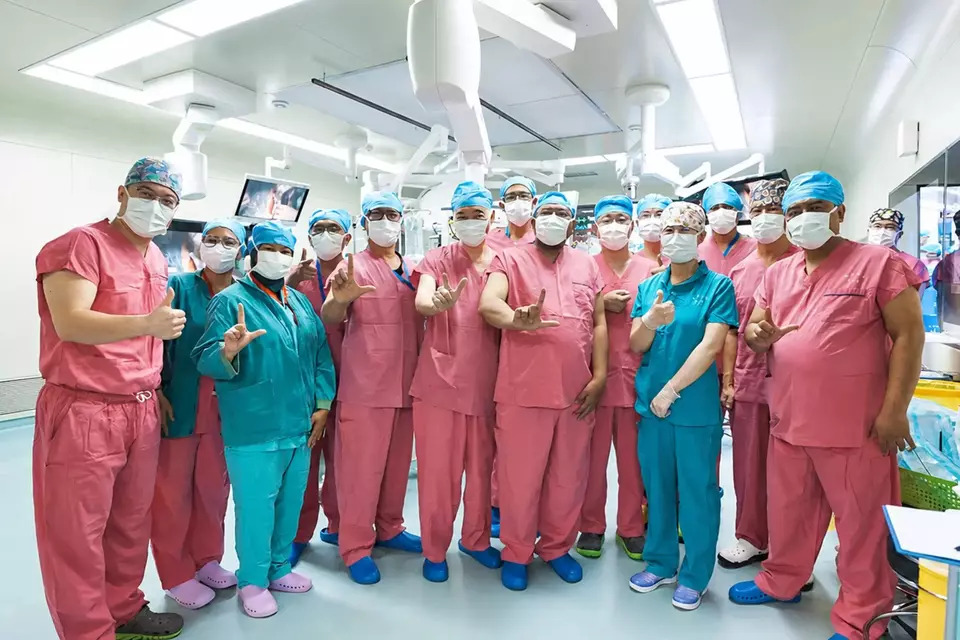
Jakarta’s Cipto Mangunkusumo Hospital (RSCM) made medical history on Aug. 1, 2026, by implanting Asia’s first heart assist device. The CoreHeart 6 LVAD (Left Ventricular Assist Device) – a 90-gram mechanical heart pump – was successfully placed in a 45-year-old woman with end-stage heart failure. Within about 24 hours the patient was off the ventilator, beginning rehabilitation and showing improved clinical indicators. Health officials noted that this breakthrough demonstrates Indonesia’s ability to adopt world-class technology: as Azhar Jaya of the Health Ministry explained, LVAD pumps “offer new hope by extending patients’ lives while improving their quality of life” when donor hearts are scarce. This landmark surgery expands treatment options for severe heart failure in Indonesia and across Asia.
What Is a Left Ventricular Assist Device?
A left ventricular assist device (LVAD) is a miniature pump implanted in the chest to help a failing heart circulate blood. The LVAD draws blood from the weakened left ventricle and pushes it into the aorta, taking over part of the heart’s workload. An external controller and battery pack (shown in the diagram) are carried outside the body and connect via a thin cable to power the pump. CoreHeart 6 is one such LVAD – known as the smallest and lightest artificial heart pump in the world. These devices are commonly used as a “bridge” to heart transplant or as a permanent therapy (destination therapy) for patients ineligible for transplant. By keeping blood flowing, an LVAD can significantly improve symptoms and organ function in end-stage heart failure.
Asia’s First Heart Assist Device Implantation in Jakarta
Cipto Mangunkusumo Hospital (RSCM), Jakarta’s top public hospital, led the effort. RSCM had built its advanced heart failure program since 2017, assembling a multidisciplinary team of cardiologists, surgeons, anesthesiologists and intensivists. This preparation paid off: RSCM surgeons, together with an international team, performed the complex implantation. The patient – a 45-year-old woman with an ejection fraction of only 14% – had been suffering from severe shortness of breath and repeated hospitalizations. After the CoreHeart 6 pump was implanted, she showed rapid improvement: within a day she was breathing on her own and engaging in light exercise. Birry Karim, RSCM’s cardiovascular chief, remarked that “so far the patient’s condition continues to improve,” and removing the ventilator after surgery was an “important milestone for advanced heart failure care in Indonesia”.
According to Azhar Jaya of the Health Ministry, heart transplants have long been the primary treatment for end-stage heart failure, but donor shortages limit this option. The LVAD implant provides an alternative by mechanically supporting the failing heart. As he noted, this technology “offers new hope” for patients who cannot access a transplant. The success in Jakarta shows that Indonesian doctors can now offer a life-saving heart assist device therapy domestically, rather than sending patients overseas.
CoreHeart 6 Heart Pump Device
The CoreHeart 6 (sometimes called CorHeart 6) is the implant used in this surgery. Developed in China, it is roughly half the size and weight of older Western-made LVADs, making it suitable for patients with smaller body frames. It has a long battery life – more than 30 hours on a single charge, versus about 14 hours for many older pumps – allowing patients greater mobility. This compact design enables a less invasive implantation surgery, potentially avoiding full open-heart procedures. Over 1,000 people in China have already received the CoreHeart 6, giving it over 50% of the domestic market share. In some cases, the device was even removed after patients’ hearts recovered partially. HeartSpan.ai, a Singapore-based company, partnered with RSCM to bring this technology: they donated the CoreHeart 6 pump and provided training in its use.
Collaborative Efforts and Patient Outcome
The Jakarta implant was possible through close international collaboration. Singapore’s HeartSpan.ai and China’s medical partners supplied the device and shared expertise, while Indonesian doctors performed the operation. Dr. Wei Siang Yu of Borderless Healthcare Group (HeartSpan.ai’s parent company) emphasized that this effort is about more than one surgery: it is about building a sustainable treatment ecosystem for heart failure. “This is not just about implanting a device. It is about building a sustainable heart failure ecosystem through training, innovation and international collaboration,” he said. To that end, HeartSpan has trained Indonesian specialists in patient selection, surgical techniques, and long-term care (in collaboration with experts in Beijing) so that Indonesian teams can lead future procedures.
So far, the patient is responding well. Doctors are carefully monitoring for any complications such as infection or bleeding, which are known risks with LVADs. They will provide ongoing care as needed. Meanwhile, the government plans to upgrade dozens of hospitals nationwide to handle more advanced cardiac cases, and to train more surgeons in LVAD therapy. Indonesia’s health officials have also streamlined policies to support such high-tech medical procedures going forward.
Key Features of the CoreHeart 6 Device
- Compact design: About 50% smaller and lighter than many older LVADs, allowing implantation with smaller incisions and shorter surgery time.
- Extended battery life: Operates for over 30 hours on a single charge, more than double the battery life of comparable Western pumps. Patients can carry the lightweight batteries as a vest or backpack, remaining mobile.
- Minimally invasive approach: Its small size suits the anatomy of Asian patients, who often have smaller chest cavities. This allows surgeons to use less invasive techniques, potentially reducing recovery time.
- Proven adoption: Used in over 100 hospitals in China with 1,000+ implantations, demonstrating a strong safety record. Earlier trials reported virtually no severe infections around the implant cable.
- Future upgrade: A next-generation, wirelessly powered version of the pump is expected soon, which could eliminate the need for an external driveline and further reduce infection risk.
Implications for Indonesian Healthcare
Indonesia’s successful LVAD implant is a major step for cardiovascular care in the region. It means that many more heart failure patients may have access to this life-saving heart assist device technology at home, instead of traveling abroad. In Indonesia alone, experts estimate there may be over 10 million people with chronic heart disease and roughly a third have severe heart failure. Organ donation rates in Indonesia are very low, so mechanical pumps like the CoreHeart 6 can save thousands of lives by bridging patients until (or instead of) transplant. With continued training and investment, hospitals across the country could offer LVAD implantation and follow-up care. In the broader Southeast Asian context, Jakarta’s surgery represents a milestone that could encourage neighboring countries to adopt similar innovations.
In summary, the first implantation of a miniature heart assist device in Asia is a landmark achievement for Indonesia. It opens the door to advanced cardiac therapies for patients who previously had limited options. By combining cutting-edge technology with local medical expertise, this development promises to improve quality of life for many Indonesians with severe heart failure.
Read More