





 Sunday, 04-10-26








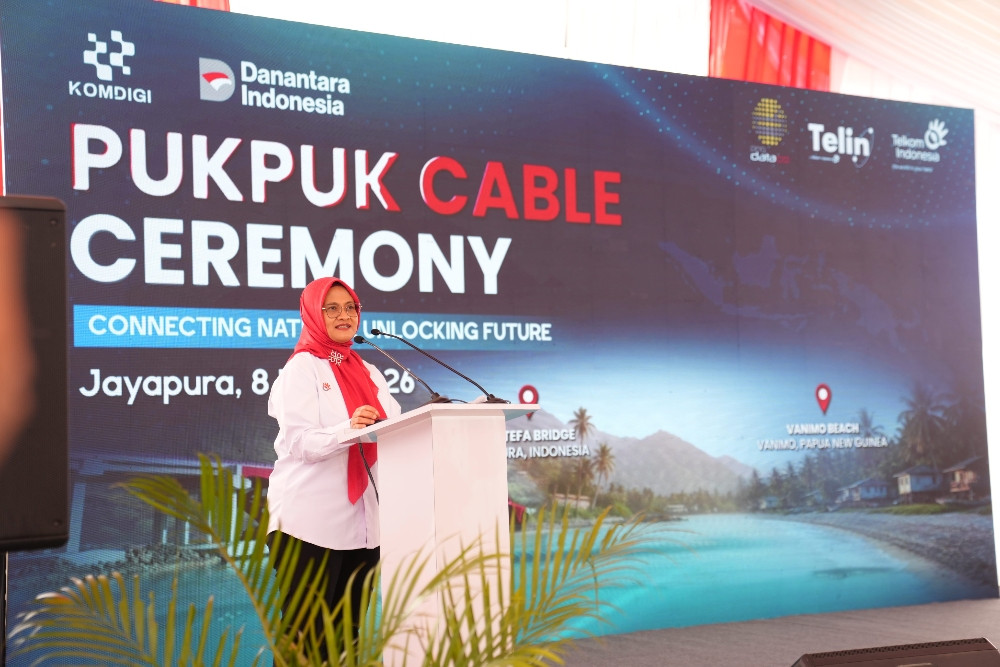
Indonesia is accelerating its ambition to become a major digital infrastructure hub in the Asia Pacific region through the launch of the PukPuk submarine cable system. The project, developed by Telkom Indonesia and PNG DataCo, marks the first direct cross border submarine cable connection between Indonesia and Papua New Guinea. More importantly, the infrastructure creates a new strategic digital corridor connecting Eastern Indonesia to broader Asia Pacific and United States internet networks.
The launch of the Indonesia submarine cable project comes at a critical time when Southeast Asia is racing to strengthen digital resilience, cloud infrastructure, and cross border connectivity. Demand for artificial intelligence infrastructure, hyperscale data centers, cloud computing, and low latency internet networks continues to rise across the region. Governments and telecom companies are now competing to secure strategic digital routes that can support future economic growth.
The PukPuk cable system directly connects Jayapura in Papua with Vanimo in Papua New Guinea before extending toward international connectivity routes linked to the United States through the SEA US cable network. The project represents more than telecommunications infrastructure. It reflects Indonesia’s broader geopolitical and economic strategy to position Papua as a digital gateway into the Pacific region.
According to reports, the submarine cable spans approximately 850 kilometers, creating an alternative international network route that strengthens digital resilience in Eastern Indonesia. The infrastructure also reduces dependency on traditional connectivity pathways concentrated in western parts of Indonesia.
Papua Emerges as Indonesia’s Strategic Digital Frontier
For years, digital infrastructure development in Indonesia has largely focused on Java and western Indonesia. Eastern Indonesia, including Papua, has faced connectivity limitations, slower internet speeds, and higher operational costs due to geographic isolation. The Indonesia submarine cable initiative could significantly change that landscape.
Government officials have framed the project as part of Indonesia’s larger digital transformation agenda. Deputy Minister of Communication and Digital Affairs Angga Raka Prabowo stated that Papua has the potential to become a major digital ecosystem and connectivity center in the Asia Pacific region.
The strategic importance of Papua is becoming increasingly evident. Geographically, Papua sits close to Pacific markets and international subsea cable routes. With growing investment in digital infrastructure, the region could evolve into a key node for internet traffic, cloud services, and cross border digital trade.
The Indonesia submarine cable project also aligns with efforts to reduce inequality in digital access. Improved connectivity can accelerate the development of digital services in healthcare, education, financial technology, and e commerce throughout Eastern Indonesia.
Local governments in Papua have welcomed the infrastructure development because stronger connectivity can help attract investment and support economic inclusion. Officials believe digital infrastructure could help reduce regional isolation while opening new opportunities for local businesses and entrepreneurs.
The broader implication is that digital infrastructure is no longer viewed merely as a utility. It is increasingly treated as a strategic economic asset capable of shaping regional competitiveness.
Why Submarine Cables Are Becoming Strategic Assets
Submarine cable systems have become the backbone of the global digital economy. More than 95 percent of international internet traffic travels through undersea fiber optic cables rather than satellites. As artificial intelligence, cloud computing, streaming platforms, and digital finance continue expanding, countries are investing aggressively in network infrastructure.
The Indonesia submarine cable development reflects a larger global trend where governments and telecom companies compete to control critical digital routes. Connectivity resilience is now directly linked to national competitiveness, cybersecurity, and economic growth.
Indonesia itself has experienced network disruptions caused by damaged submarine cables in the past. Several internet outages in Eastern Indonesia highlighted the importance of building alternative pathways and backup infrastructure. Discussions within online technology communities in Indonesia have frequently pointed to the need for stronger network redundancy and expanded backbone infrastructure across remote regions.
The PukPuk cable therefore serves two important purposes. First, it improves redundancy and resilience for Papua and Eastern Indonesia. Second, it opens a new international digital corridor that can support rising internet demand in the Asia Pacific region.
Industry analysts increasingly view submarine cable projects as strategic geopolitical infrastructure. Countries with stronger connectivity networks are better positioned to attract hyperscale data centers, artificial intelligence investments, and cloud service providers.
Indonesia has already seen growing momentum in digital infrastructure investments over the past few years. International technology companies and regional telecom operators are expanding data center capacity across Southeast Asia as demand for digital services rises.
The Indonesia submarine cable project could strengthen Indonesia’s attractiveness as a regional digital hub, especially as demand for AI driven cloud infrastructure accelerates.
Telkom’s Expanding Role in Indonesia’s Digital Infrastructure Strategy
The project also highlights the growing strategic role of Telkom Indonesia in Indonesia’s digital economy ambitions. Through its international arm Telin, the state owned telecommunications company has been expanding its global connectivity footprint and investing heavily in subsea infrastructure.
The launch of the PukPuk cable comes amid broader discussions about consolidating Indonesia’s national fiber optic infrastructure under state controlled ecosystems. Recent reports indicate that Indonesian sovereign wealth fund Danantara has encouraged consolidation of fiber assets among state owned enterprises to strengthen national digital infrastructure competitiveness.
This suggests Indonesia is moving toward a more coordinated digital infrastructure strategy. Instead of fragmented development, the government appears increasingly focused on building integrated national connectivity systems capable of supporting long term digital transformation.
The timing is also important because Southeast Asia is entering a new phase of AI infrastructure competition. Countries across the region are investing in data centers, renewable energy infrastructure, cloud ecosystems, and international internet gateways.
Submarine cables are becoming central to this race because AI workloads require massive bandwidth capacity and low latency international connections. As AI adoption grows, countries with stronger digital backbone infrastructure will likely gain a competitive advantage in attracting investment.
Indonesia’s position as Southeast Asia’s largest digital economy gives it a strong opportunity to benefit from this shift. However, success will depend on the country’s ability to strengthen network resilience, improve regional connectivity, and expand digital access beyond major urban centers.
The Indonesia submarine cable initiative demonstrates how the country is beginning to reposition itself within the broader Asia Pacific digital ecosystem. Papua, once viewed primarily as a remote frontier region, could become increasingly important in Indonesia’s future digital infrastructure landscape.
A New Asia Pacific Connectivity Era
The PukPuk submarine cable launch signals more than a telecommunications milestone. It reflects how digital infrastructure is reshaping economic geography across Southeast Asia and the Pacific.
As global internet traffic grows and artificial intelligence transforms industries, connectivity infrastructure will become even more valuable. Countries capable of building resilient, high capacity, and internationally connected digital networks will gain stronger positions in the future digital economy.
For Indonesia, the Indonesia submarine cable project creates both economic and strategic opportunities. It strengthens Eastern Indonesia’s connectivity, deepens regional collaboration with Papua New Guinea, and opens a new gateway toward Pacific and United States digital networks.
The project also reinforces a broader shift in Indonesia’s development priorities. Infrastructure is no longer only about roads, ports, or airports. Digital connectivity is now becoming equally critical for economic competitiveness, investment attraction, and long term technological growth.
If Indonesia continues expanding international cable systems, cloud infrastructure, and digital ecosystems, the country could emerge as one of the most important digital infrastructure hubs in the Asia Pacific region over the next decade.
Read More