





 Tuesday, 29-09-26








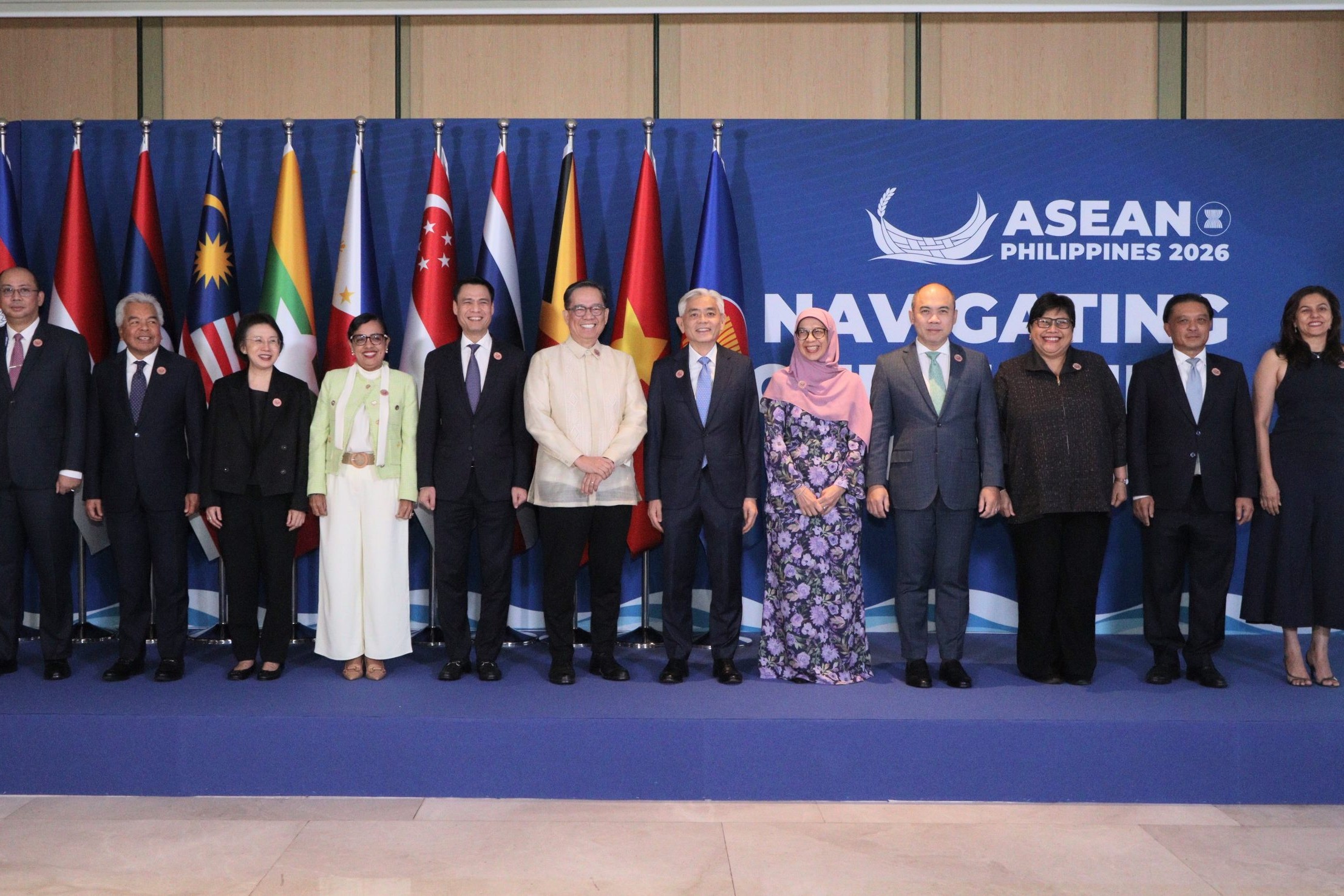
The Association of Southeast Asian Nations (ASEAN) leaders’ summit is set to take place in Cebu, Philippines, in a scaled-down “bare-bones” format, as member states confront an ongoing fuel crisis and rising regional tensions tied to global disruptions (06/05).
The meeting is expected to focus heavily on energy shortages affecting Southeast Asia.
ASEAN Leaders’ Summit in Cebu Focuses on Fuel Crisis and Limited Agenda
The summit has been described as “bare-bones” by Philippine President Ferdinand Marcos Jr. due to the fuel crisis dominating discussions.
The crisis is linked to disruptions in global energy supplies, particularly following instability in the Middle East, which has affected maritime routes and fuel availability across Asia.
ASEAN economic ministers previously issued a joint statement expressing “deep concern” over disruptions to key maritime routes. However, the statement did not name any country and instead emphasized the importance of international law and mitigating economic impacts.
Rising Frustration in Southeast Asia Over United States Policies
Frustration with the United States has increased across Southeast Asia as economic consequences of global events begin to affect regional economies.
While initial reactions to the reelection of U.S. President Donald Trump in 2024 were relatively neutral or positive, sentiment has shifted due to the impact of tariffs introduced in 2025 and broader geopolitical developments.
An ASEAN survey cited in the article found that a majority of influential figures in the region would now prefer alignment with China if forced to choose between the two powers. This survey was conducted before the escalation of conflict involving Iran, which further intensified energy concerns.
The blockade of the Strait of Hormuz has contributed to rising fuel insecurity in Asia, which relies heavily on energy imports from the Persian Gulf. Thai Foreign Minister Sihasak Phuangketkeow stated that the war “should not have taken place” and noted the lack of U.S. assistance in addressing its impact.
Despite rising tensions, ASEAN’s official statements remain restrained due to its consensus-based structure, which requires agreement among all member states.
Myanmar Political Developments Included in ASEAN Discussions
Myanmar remains a sensitive issue within ASEAN following the 2021 military coup and continued regional isolation.
Former leader Aung San Suu Kyi has reportedly been transferred from prison to house arrest, according to Myanmar state media. The move followed partial clemency granted to several political detainees.
Her transfer is part of broader efforts by Myanmar’s military government to improve its international image following disputed elections and continued political control. However, uncertainty remains regarding her health and conditions, with limited verified information available.
Within ASEAN, discussions on Myanmar include proposals for gradual normalization, supported by some member states such as Thailand.
Thailand Prepares Emergency Loan to Address Energy and Cost Pressures
Thailand is preparing an emergency loan of 400 billion baht, equivalent to about $12.3 billion, to address the economic impact of the energy crisis.
The plan includes a co-payment subsidy scheme aimed at reducing the cost of essential goods for eligible groups. It also includes measures to improve long-term energy security and support a transition away from fossil fuels.
These steps are designed to address rising cost-of-living pressures and stabilize the domestic economy amid regional fuel disruptions.
Bali Waste Crisis Highlights Ongoing Environmental Challenges
Bali is facing a severe waste management crisis after the closure and partial reopening of its largest landfill, Suwung.
The landfill was closed and then temporarily reopened on a limited basis, causing significant disruption to waste collection. Trash has since accumulated in public areas, while some waste is being burned, producing heavy smoke.
Residents have protested the situation, including a demonstration involving garbage trucks demanding clearer waste disposal solutions.
The landfill has long been overloaded, with waste piles reaching up to 40 meters high, creating risks of landslides and methane-related fires. A waste-to-energy facility intended to address the issue is not expected to begin operations until 2028.
Similar waste management problems are reported across Southeast Asia, including landfill fires, pollution incidents, and limited disposal infrastructure in multiple countries.
PHOTO: ASEAN
This article was created with AI assistance.
We make every effort to ensure the accuracy of our content, some information may be incorrect or outdated. Please let us know of any corrections at [email protected].
Read More